
Photos courtesy of Prefab Consulting, LLC.
Dr. Muhammad Imran Taj, a member of the Institution of Fire Engineers UK and the author of the influential fire safety blog Tajswestcoast, recently interviewed Carol Schary, owner and president of Nathan Kimmel Company—a California-based business renowned for its innovative fire protection solutions—as part of the new “Fire Experts Roundtable” series.
During the discussion, Schary shared insights on the recent California wildfires, highlighting critical lessons learned and emphasizing the need for innovative approaches to rebuilding. The conversation also touched on the potential of cold-formed steel (CFS) as an alternative to traditional wood framing, noting its ability to improve fire resistance and overall structural integrity.
Below is an excerpt from the interview that provides an in-depth look at these important topics.

Carol Schary is the owner and president of the Nathan Kimmel Company.
Q&A with Carol Schary, Nathan Kimmel Company
Were your neighbors affected by the recent California wildfires, and if so, what was the extent of their losses?
Unfortunately I have some friends that were impacted and two that lost their homes and contents totally. One was interested in any new way of building not using wood framing. I am investigating new steel stud construction that is not combustible and can withstand the large earthquakes that southern California can have.
I was told that the main reason that wood framing is used is that the cost of steel is much more and the carpenter’s unions do not train steel stud framing of housing. I am investigating and looking for other products we might begin to sell besides our main product lines that would help with the rebuilding.
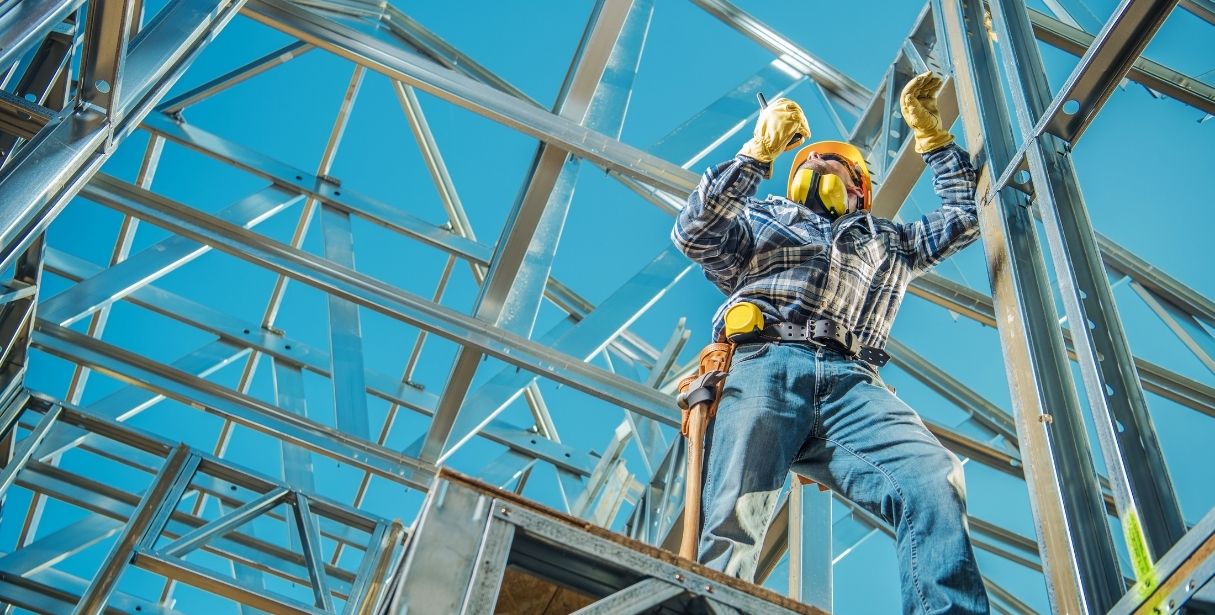
The increase in wildfires are causing contractors to shift from wood to steel framing.
What lessons can be learned from the recent wildfires in California?
The recent wildfires in California offer several important lessons:
- Climate Change and Environmental Factors: Wildfires are becoming more frequent and intense as climate change creates drier, hotter conditions. This underscores the urgent need to address climate change through both mitigation (reducing greenhouse gas emissions) and adaptation strategies.
- Proactive Forest and Land Management: Decades of fire suppression have led to a build-up of dry vegetation that fuels wildfires. Integrating controlled burns, thinning forests, and other land management practices can help reduce these fuel loads and prevent catastrophic fires.
- Community Preparedness and Resilience: Effective emergency planning, public education, and clear evacuation protocols are critical. Communities need to be better informed about the risks and equipped with the tools and resources to prepare for and respond to wildfires.
- Infrastructure and Urban Planning: As urban areas expand into wild land regions, creating defensible space around homes and investing in fire-resistant building materials can reduce damage. Improved infrastructure planning, including resilient power grids and communication systems, can also minimize disruptions during emergencies.
- Interagency Coordination and Resource Allocation: The scale of these events demonstrates the need for better collaboration among local, state, and federal agencies. Coordinated efforts in planning, response, and resource distribution can lead to more effective management of wildfire incidents.
- Learning from Traditional Practices: Indigenous fire management techniques—practices that have shaped landscapes for millennia—offer valuable insights into controlled burning and sustainable land stewardship. Integrating these practices could improve modern wildfire management.
Overall, wildfire serves as a stark reminder that addressing the root causes, investing in preparedness, and fostering collaboration at all levels are essential steps toward reducing future risks and safeguarding communities.
Surge in Fires: The Case for Steel Framing
Download this free article brief exploring the rise of fires in mid-rise wood construction across the U.S., highlighting incidents in California and Texas. The report outlines the key advantages of steel framing as a noncombustible alternative to significantly reduce fire hazards.

What types of construction methods or materials will be used in the rebuilding process?
The rebuilding process in wildfire-prone areas of southern California is likely to incorporate several construction methods and materials designed to increase a structure’s fire resistance and overall resilience. While specific approaches can vary by project and local codes, here are some common strategies being implemented or considered:
- Structural Enhancements: Some projects may utilize reinforced concrete or steel framing for critical structural components to improve fire resistance
- Fire-Resistant Roofing: Roofs may be constructed with Class A fire-rated materials such as metal, slate, or tile, which are designed to withstand high temperatures and resist ember penetration
- Non-Combustible Siding and Cladding: Exterior walls might use materials like stucco, fiber-cement, or masonry. These materials are less likely to ignite compared to traditional wood siding
- Ember-Resistant Openings: Special vents, screens, and tempered glass windows help reduce the likelihood that embers will enter and ignite the interior of a home
- Defensible Space Integration: Designs may include features that create a buffer zone around structures, such as fire-resistant landscaping and reduced use of flammable materials in decks and patios
- Advanced Fire-Suppression Systems: The integration of automated sprinkler systems and enhanced fire alarm systems can help control any fire that does occur, providing an extra layer of safety
- Compliance with Updated Building Codes: Rebuilding efforts will adhere to stricter, updated building codes tailored to wildfire-prone regions. These codes often mandate the use of fire-resistant materials and construction practices
By focusing on these methods and materials, the rebuilding process aims not only to restore homes but also to create structures that are better equipped to withstand future wildfire events.
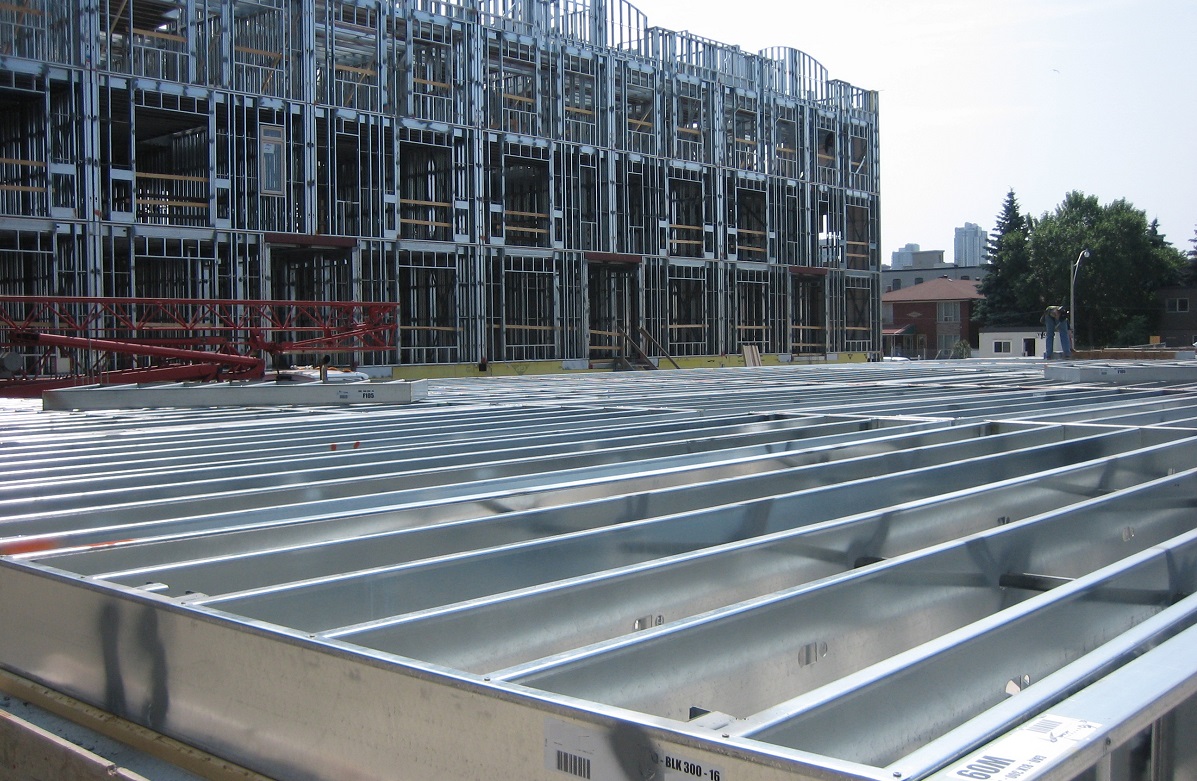
Unlike other construction materials, metal studs are 100% noncombustible, making them eligible for use in Type I buildings where fire-resistance standards are most stringent.
Do you have any recommendations for policymakers regarding wildfire prevention and mitigation?
Based on the lessons learned from the 2025 Southern California wildfires, several recommendations have emerged for policymakers to improve wildfire prevention and mitigation:
- Enhance Building and Land Use Codes:
- Mandate Fire-Resistant Construction
- Update building codes to require ignition-resistant materials and design practices in high-risk areas
- Defensible Space Requirements:
- Enforce regulations for adequate defensible space around properties and critical infrastructure.
- Improve Forest and Vegetation Management:
- Fuel Reduction Programs: Invest in proactive measures such as controlled burns, mechanical thinning, and vegetation management to reduce combustible materials
- Integrated Land Management: Promote collaborative strategies among federal, state, and local agencies to manage forested and wild land-urban interface areas effectively
- Invest in Advanced Technologies and Early Warning Systems:
- Remote Sensing and AI: Utilize satellite imagery, drone surveillance, and predictive analytics to detect wildfire risks early and monitor high-risk areas
- Enhanced Communication Systems: Develop robust, real-time communication networks for rapid dissemination of warnings and evacuation orders
- Strengthen Community Preparedness and Resilience:
- Public Education Campaigns: Launch initiatives to inform residents about wildfire risks, evacuation procedures, and property mitigation measures
- Emergency Response Training: Allocate resources for regular training and exercises for local emergency services and community responders
- Foster Interagency Collaboration:
- Coordinated Response Plans: Develop and regularly update joint response protocols among local, state, and federal agencies to ensure a unified approach during wildfire events
- Data Sharing Platforms: Establish centralized databases for sharing real-time information on wildfire risks, weather conditions, and response activities
- Integrate Climate Change Adaptation:
- Long-Term Planning: Incorporate climate change projections into wildfire risk assessments and mitigation strategies, ensuring that policies remain effective under changing environmental conditions.
- Sustainable Land Management: Align wildfire prevention strategies with broader climate resilience and sustainability goals
- Public and Private Investment: Secure funding for wildfire mitigation projects and incentivize private property owners to adopt fire-safe measures through grants, tax breaks, or insurance premium adjustments
These recommendations aim to create a comprehensive, multi-layered approach to wildfire prevention and mitigation, addressing immediate risks while building long-term resilience in wildfire-prone regions like Southern California.
Is there a message you would like to convey to the community affected by the wildfires?
Nathan Kimmel Company is gearing up to have supplies needed to be rebuilt. Our company prides itself on quality products, quick turnaround of Carol Kimmel orders, technical service, repair service and any innovation needed of products to get LA rebuilt!
Read the full interview at Tajswestcoast.
Fire Safety: 5 Reasons to Use Steel
These unfortunate events emphasize why many builders are turning to cold-formed steel (CFS) framing for low and mid-rise projects. Here are five key reasons:
1. Steel is Noncombustible
Steel can’t burn, because it contains no elements that can serve as fuel. Steel provides no means for a fire to start, does not contribute to fire growth or fire spread and does not contribute to the generation of smoke and toxic combustion products in fires.
Steel studs simply do not ignite when exposed to a 500 degree Fahrenheit temperature, says TheBigRedGuide. Without the ability to add fuel to a spreading fire, steel studs can help protect the integrity of a structure. In fact, metal studs can even contain the spread of a fire.
2. Steel Maintains its Noncombustibility
Steel remains noncombustible throughout the entire lifecycle of the building — during building construction, occupation and future renovation and repair.
3. Steel-Framed Buildings Lower the Fire Risk to Workers and Occupants
Decades of research into understanding the behavior of structural steel components when exposed to fire has given designers the confidence to engineer buildings that will provide optimum fire safety. Fire resistance-rated walls and floors help limit or slow the spread of flames in a building and maintain the integrity of the structure.
4. Steel-framed buildings lower the impact on municipal fire services
Fires have challenged the resources of local fire services. They have prompted several municipalities to implement site-safety regulations during the construction of combustible buildings that will ultimately increase the construction costs and timeframes of projects. Some cities, such as the affluent Atlanta suburb of Sandy Springs, are working to ban combustible framing above three stories.
5. Steel-framed buildings tend to cost less to insure
Insurers traditionally offer steel-framed structures lower builders risk and general liability premiums compared to structures framed with wood.
For example, CFS framing saved $1.32 million in builders risk insurance premiums for the 24-month construction of a four-story, 400-unit hotel. Thereafter, CFS framing saved $66,000 a year in property insurance premiums in comparison to framing the hotel with wood.
Additional Resources
- As Wildfires Rage On, One Homebuilder Urges a Shift to Steel Construction
- Examining the Surge in Mid-Rise Wood Construction Fires: The Case for Steel Framing
- California Homes Destroyed by Wildfires Being Rebuilt with Steel Framing