
Image Credits: FRAMECAD
Builders professionals are increasingly exploring innovative solutions to improve the efficiency, cost-effectiveness and affordability of housing projects. One solution gaining traction is the use of prefabricated cold-formed steel (CFS) framing for residential construction. By integrating prefabricated steel framing into the construction process, builders can optimize costs and decrease reliance on skilled labor, signaling a transformative shift in the construction industry.
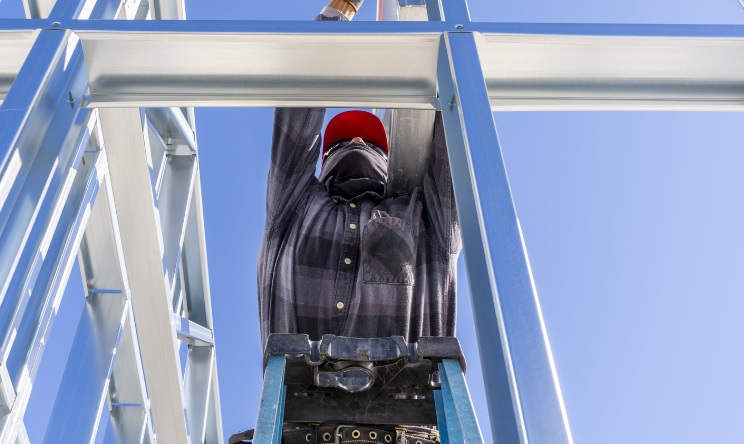
Prefabricated steel framing can optimize costs and decrease reliance on skilled labor.
Top 5 CFS Qualities
To address the existing labor shortage, builders are embracing prefabricated construction practices for a variety of reasons. SFIA member FRAMECAD offered insight into the top five qualities of CFS that make it the optimal solution for prefabricated construction.
- Precision Manufacturing: CFS components are manufactured precisely through computer-aided design and manufacturing processes. This level of accuracy ensures that each component comes together seamlessly, reducing the need for onsite adjustments
- Lightweight and Easy to Handle: CFS is 30-60% lighter than traditional framing materials. This CFS characteristic makes handling and installation easier, reducing the physical demands placed on construction workers
- Consistent High Standards: CFS offers consistent strength and durability. Developers can rely on the predictability of the material, leading to fewer on and offsite construction delays
- Pre-Engineered Solutions: Many CFS framing systems are available as pre-engineered solutions. These systems come with detailed plans and components ready for assembly, further simplifying the construction process
- Reduced Waste: The design-led process and precision manufacturing of CFS components minimize waste and contribute to a more sustainable construction process. With less material going to landfills, developers not only save on disposal costs but also reduce the environmental impact of their projects
Offsite, Modular, Prefabrication: What is the Difference?
In a recent blog post, FRAMECAD offered insight into the differences of these three construction terms.
- Offsite Construction is a broad term that encompasses any construction activity that takes place away from the final building location. It includes both prefabrication and modular construction. Offsite construction strives to optimize productivity by transferring specific construction activities to controlled environments
- Prefabrication is an offsite construction method. It involves manufacturing building components in a factory and transporting them to the construction site for assembly. Prefabricated components generally have less volume of material than what is typically found in modular construction
- Modular construction takes prefabrication to the next level and involves the fabrication of entire building modules offsite, including plumbing, electrical systems and finishes. The modules are then transported and assembled to create a complete structure
Transforming the Construction Industry
As the construction industry embraces innovation, developers can integrate CFS farming to streamline construction processes and decrease their reliance on skilled labor.
CFS framing marks a transformative progression in residential construction, paving the way for more efficient and cost-effective housing solutions.
Additional Resources
- FRAMECAD Launches Residential Steel Framing Customer Service Center
- New FRAMECAD CEO to Accelerate Steel Framing Growth Strategy
- FRAMECAD Launches ‘Build It Better’ Podcast with Host Robert Johnson