
After devastating wildfires in California, the Steel Framing Industry Association (SFIA) is leading an effort to show how data and noncombustible materials, including cold-formed steel (CFS) framing, can create safer, more resilient communities.
Don Allen, SFIA’s executive director, recently met with leaders from the concrete and green building industries, along with Steven Crosby, grandson of Bing Crosby. Crosby lost his Pacific Palisades home and family heirlooms in the recent fires, but plans to rebuild with noncombustible materials.
“Strength and safety aren’t abstract ideas,” writes Allen in ‘The Steel Deal,’ a bylined article for Walls & Ceilings. “They have real-world consequences for people who lose everything.”
Allen says it is a challenge convincing homeowners, builders and local officials to see the long-term value of noncombustible construction rather than defaulting to business as usual. Through meetings with insurers and construction organizations, SFIA is spreading awareness of steel framing’s strength, noncombustibility and overall benefits for resilient construction.
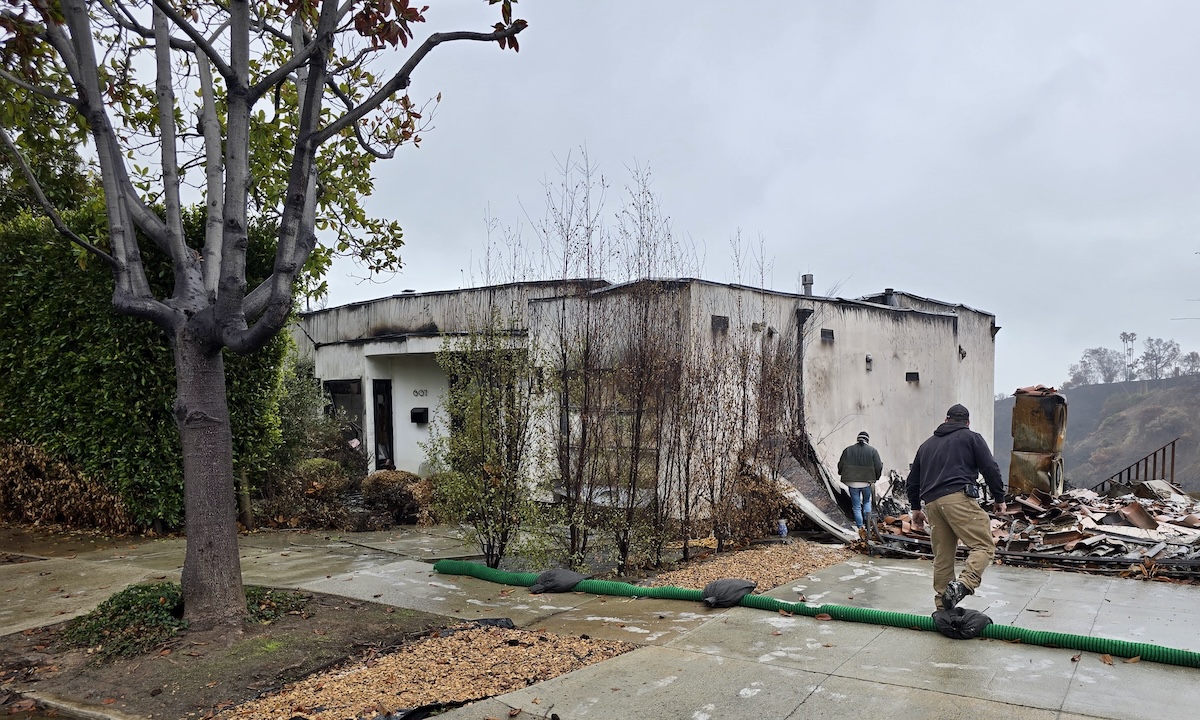
The cold-formed steel (CFS) floor framing, roof framing and wall framing of this home survived the Palisades Fire of January 2025.
Better Data, Smarter Building
To turn lessons from recent wildfires into meaningful progress, SFIA is focusing on data. Until recently, SFIA tracked only tonnage from member manufacturers, divided into structural and nonstructural categories. The insights show steel’s performance across real projects.
“In today’s construction environment, data is essential for understanding both building performance and market dynamics,” says Allen. “We need to move beyond sales figures and capture where steel framing is being used, how it performs and what benefits it delivers compared to other materials.”
SFIA’s new Data Task Group is expanding collection efforts to include load-bearing applications, modular and prefabricated framing, and emerging code requirements. The goal is to generate actionable insights that benefit fabricators, designers and builders.
Allen envisions a forecasting tool similar to the American Institute of Architects’ Deltek Architecture Billings Index. Tracking CFS shop drawings would help the industry forecast demand and determine which framing products are most needed.
“Better data means better decisions — about materials, timelines, and resilience,” says Allen.
SFIA Builds Partnerships for Change
Since the Palisades fires, SFIA has met with leaders from the Metal Construction Association, the Metal Roofing Alliance and the National Ready Mixed Concrete Association to discuss data-driven building practices. Allen believes collaboration is the key to measurable progress.
“Our next step is engaging the insurance industry,” Allen says. “We need their partnership to gather better data on fire losses in steel-framed structures.”
Through this partnership, SFIA hopes to bridge the gap between framing type, fire performance and loss data. That information could show insurers how steel framing limits fire spread and reduces property damage — factors that could influence coverage and premiums for noncombustible projects.
“Once insurers understand that steel framing reduces fire spread and property loss, it changes how projects are evaluated,” Allen says. “That’s good for builders, owners and communities.”

SFIA is partnering with insurers to improve fire-loss data and highlight how steel framing reduces fire spread and property damage.
Data Centers Drive Steel Demand
As SFIA strengthens its data strategy, Allen points to another trend shaping demand for steel framing — the rise of data centers. Artificial intelligence development has fueled an unprecedented boom in data-center construction, one of the few sectors still expanding in an otherwise slow economy.
“This surge underscores not only the importance of steel, but also the critical role that accurate, timely data plays across all industries,” says Allen.
Every sector, from manufacturing to logistics, relies on real-time data to improve efficiency. SFIA’s improved data collection will give the industry better tools to forecast activity, benchmark performance and make informed business decisions.
By studying framing data from the field, manufacturers could also improve production efficiency and safety. Tracking how framing members are cut and installed could lead to faster and safer methods — or even eliminate field cutting entirely.
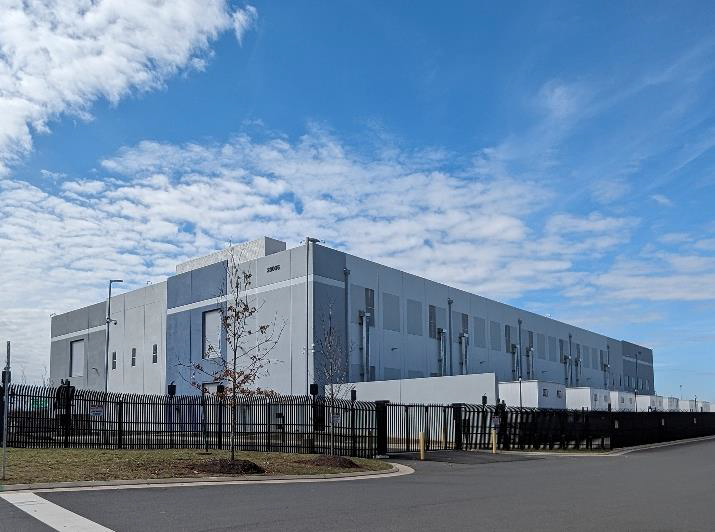
SFIA’s data strategy drives steel framing demand by helping the industry forecast trends and improve efficiency in data center construction.
Advancing a Sustainable, Noncombustible Future
Steel framing’s noncombustible nature also supports sustainability. Recyclable, durable and efficient to fabricate, cold-formed steel contributes to long-term environmental performance and reduced lifecycle costs.
SFIA’s enhanced data collection will help quantify those benefits for owners, architects and code officials. With solid data, the industry can link safety and sustainability, proving that noncombustible materials reduce fire risk while supporting low-carbon construction goals.
“Our shared goal should be to arm stakeholders with the right information,” Allen says. “Together, we can expand the market for steel framing while advancing a safer, stronger and more sustainable construction future.”
SFIA’s Data Task Group plans to release recommendations for standardized data reporting and improved communication with insurers, modular builders and other industry partners.
Building a Safer Tomorrow
By combining lessons learned from California’s wildfires with a commitment to accurate data and collaboration, SFIA is helping the construction industry move toward a safer and more sustainable future. When data informs decisions, noncombustible steel framing can redefine resilience for communities across the nation.
“Data gives us the power to build smarter, safer and stronger,” says Allen. “That’s how we protect people today while preparing for the challenges of tomorrow.”
Read the full article from Walls & Ceilings.
Additional Resources
- Steel Framing Shows Strength Amid Price Pressures and Uncertainty, Says SFIA’s Don Allen
- Cold-Formed Steel (CFS) Makes Homes Safer—and Insurable—in Wildfire Country
- CFS10’s Trial by Fire: Photos from UC San Diego’s Burn Tests Prove CFS’s Resilience