
Martin/Martin, Inc. earned First Place in the Creative Detail category of the 2026 Cold-Formed Steel Engineers Institute (CFSEI) Design Excellence Awards. The award recognized the firm’s work on Revival on the Platte in Denver, Colorado.
The seven-story load-bearing cold-formed steel (CFS) residential building rises above a two-level concrete podium. Located across from Empower Field at Mile High, the development provides access to mass transit, bike paths and major sports venues.
An innovative CFS roof connection detail earned the recognition. The detail solved a complex horizontal lifeline attachment challenge while maintaining structural performance.
Martin/Martin engineered the CFS systems for the project. The firm completed the lateral analysis and lateral force-resisting system design. Martin/Martin also developed the LOD 400 model for the prefabricated CFS framing.
Images Courtesy of MKM Build Photography and Martin/Martin Inc.
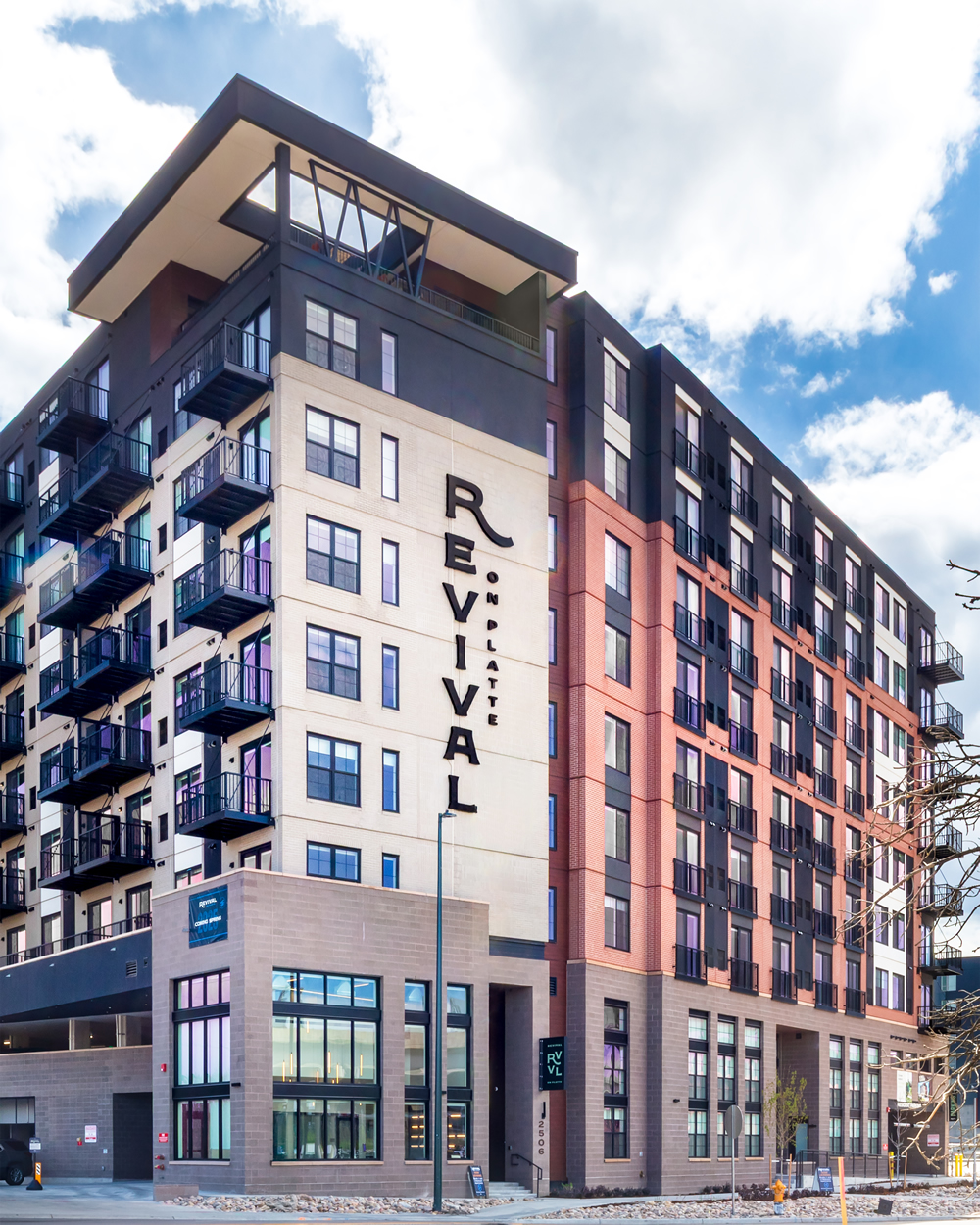
Revival on the Platte is a seven-story load-bearing cold-formed steel (CFS) residential building in Denver, Colorado. Martin/Martin earned First Place in the 2026 CFSEI Creative Detail category for its innovative engineering.
Horizontal Lifeline Connection Challenge
The roof required a horizontal lifeline system to protect maintenance workers. The system needed to connect directly to the CFS roof framing.
HLL attachment to CFS systems presents unique challenges. Designers often integrate these systems during design or attach them to a concrete roof slab. The project team received HLL system information late in construction. The required spacing did not align with the typical wall layout.
Martin/Martin developed a detail that allowed installation after the roof structure was complete. The design also accommodated field tolerances. The detail incorporated joist blocking at HLL fastener locations. Shear wall hold-downs resisted the large impact loads imposed by the lifeline system.
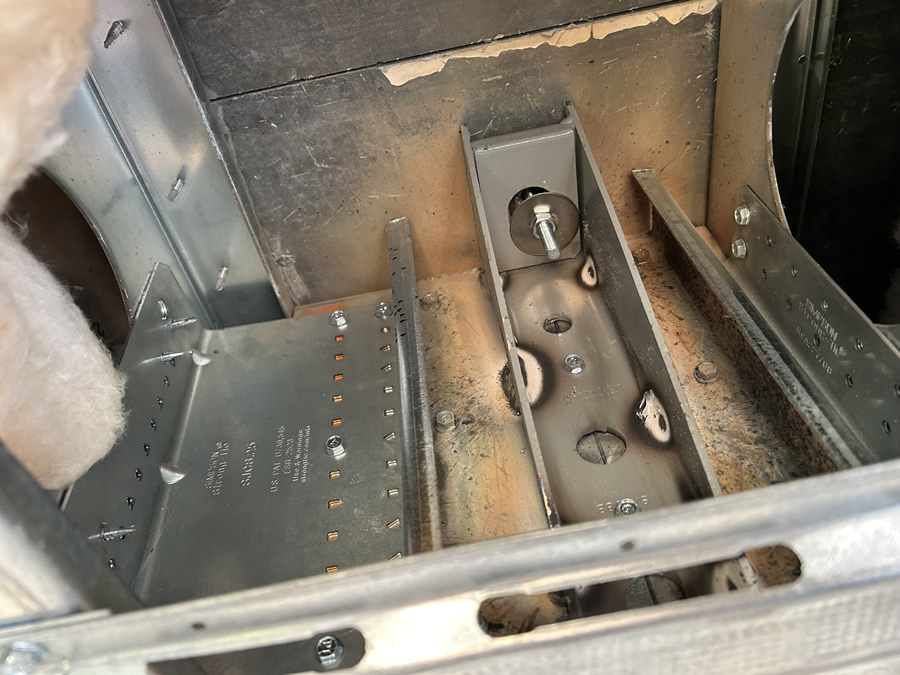
Martin/Martin developed an innovative cold-formed steel (CFS) roof connection detail that solved a complex horizontal lifeline attachment challenge.
Innovative Engineering Solution
Martin/Martin centered the HLL over a typical joist instead of between joists. This reduced bending demand on the previously sized framing. Blocking between joists tied into the diaphragm. This approach dispersed shear and torsional loads across adjacent joists.
When loads acted parallel to the joist framing, the joists resisted the added point moment from the anchor. Clips at each joist end accommodated the additional shear loads.
Martin/Martin used shear wall hold-down anchors in an unconventional application. These anchors provided sufficient attachment strength. However, traditional bolted connections would not work. Instead, welds connected the hold-downs directly to joist stiffeners.
Another constraint emerged. No hold-down anchors that fit within the 10-inch joist depth provided sufficient capacity. Martin/Martin selected a larger hold-down and modified it to fit within the joist depth.
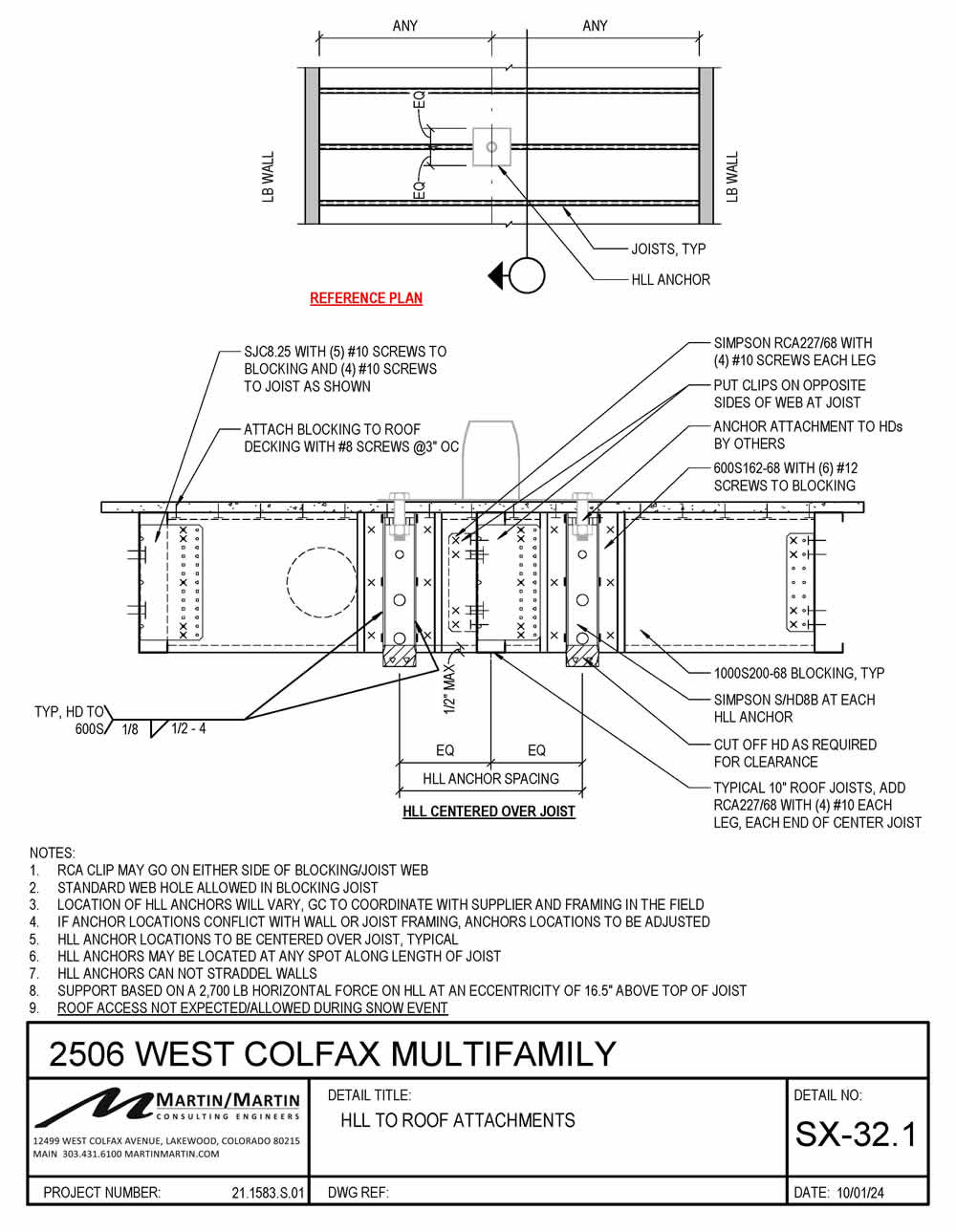
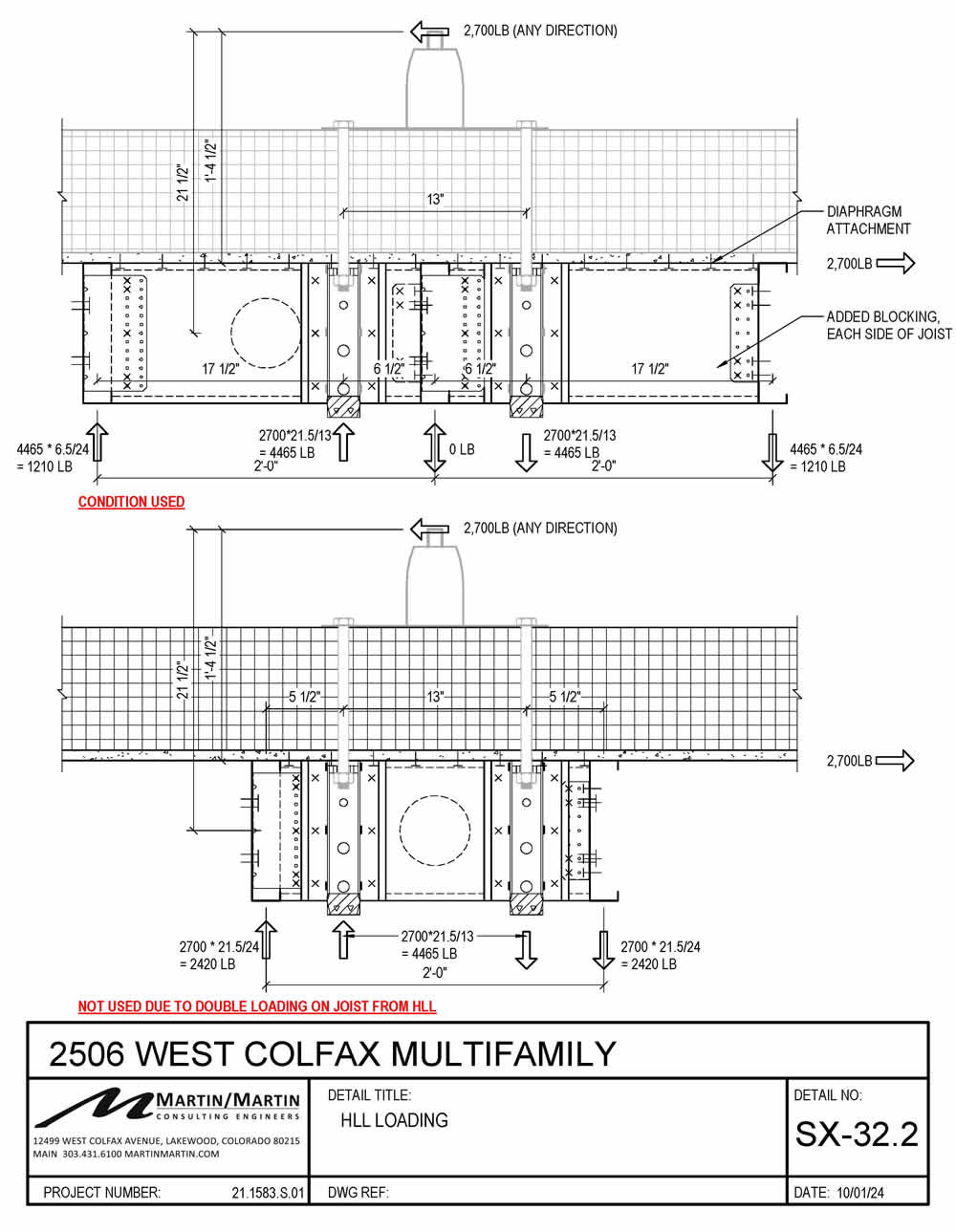
Innovative Roof Connection Detail
Designers should plan roof anchor systems alongside the primary structural system whenever possible. Martin/Martin adapted to late design input with an innovative solution. Blocking at installed joists distributed loads across multiple members rather than a single joist. Martin/Martin also used a nonstandard application of a shear wall hold-down to achieve the required attachment.
The detail solved a complex construction challenge while maintaining the structural performance of the CFS framing system.
Read the complete story about Martin/Martin’s award-winning CFS roof connection detail and view the complete design drawings submitted for the 2026 CFSEI Design Excellence First Place Creative Detail Award here.
Revival on the Platte in Denver, Colorado.
First Place – 2026 CFSEI Creative Detail Award, Commercial category
Winner: Martin/Martin Inc.
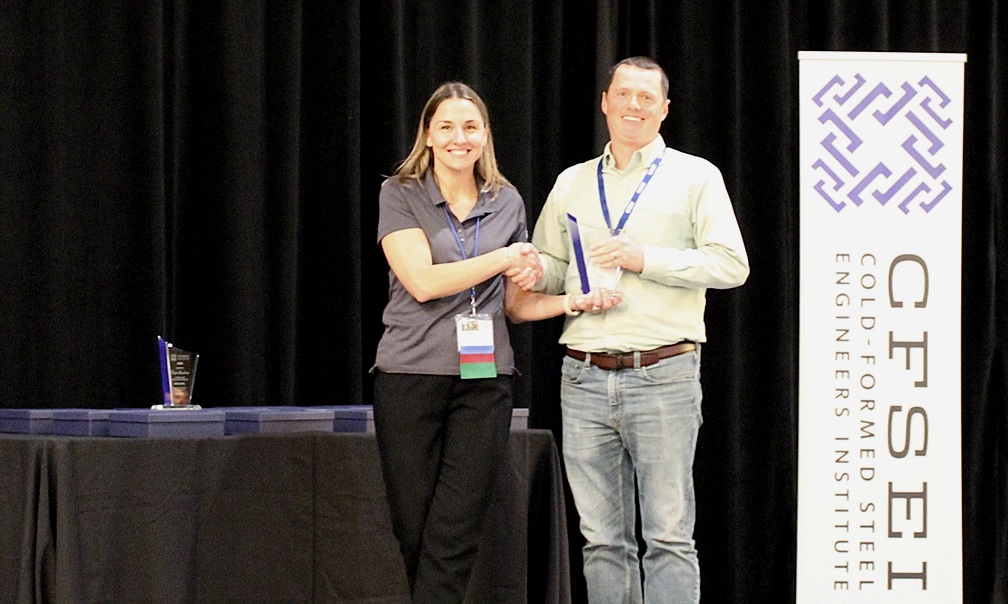
Grant Doherty, Martin/Martin, Inc. Accepts Creative Detail Award, First Place Presented by Tammy Gleed, P.E., CFSEI Immediate Past Chair
Project
Revival on the Platte
2506 West Colfax
Denver, CO 80205Completion Date
2025People
Owner
Mortenson DevelopmentArchitect of Record
Kephart and Base4Engineer of Record for Structural Work
Matthew Jackson, MJ Structural EngineersCold-Formed Steel Specialty Engineer
Shane Ewing, Martin/Martin Inc.Cold-Formed Steel Specialty Contractor
Anthony Herrmann, BLUvera
Additional Resources
- CFSEI Announces 2026 Award Winners, Stipend Recipients and Distinguished Service Honoree
- Martin/Martin Wins Municipal/Cultural CFSEI Award for CSU Spur Hydro Water Project
- Martin/Martin Takes 2023 CFSEI First Place for Penn State’s Lasch Football Building Renovation