
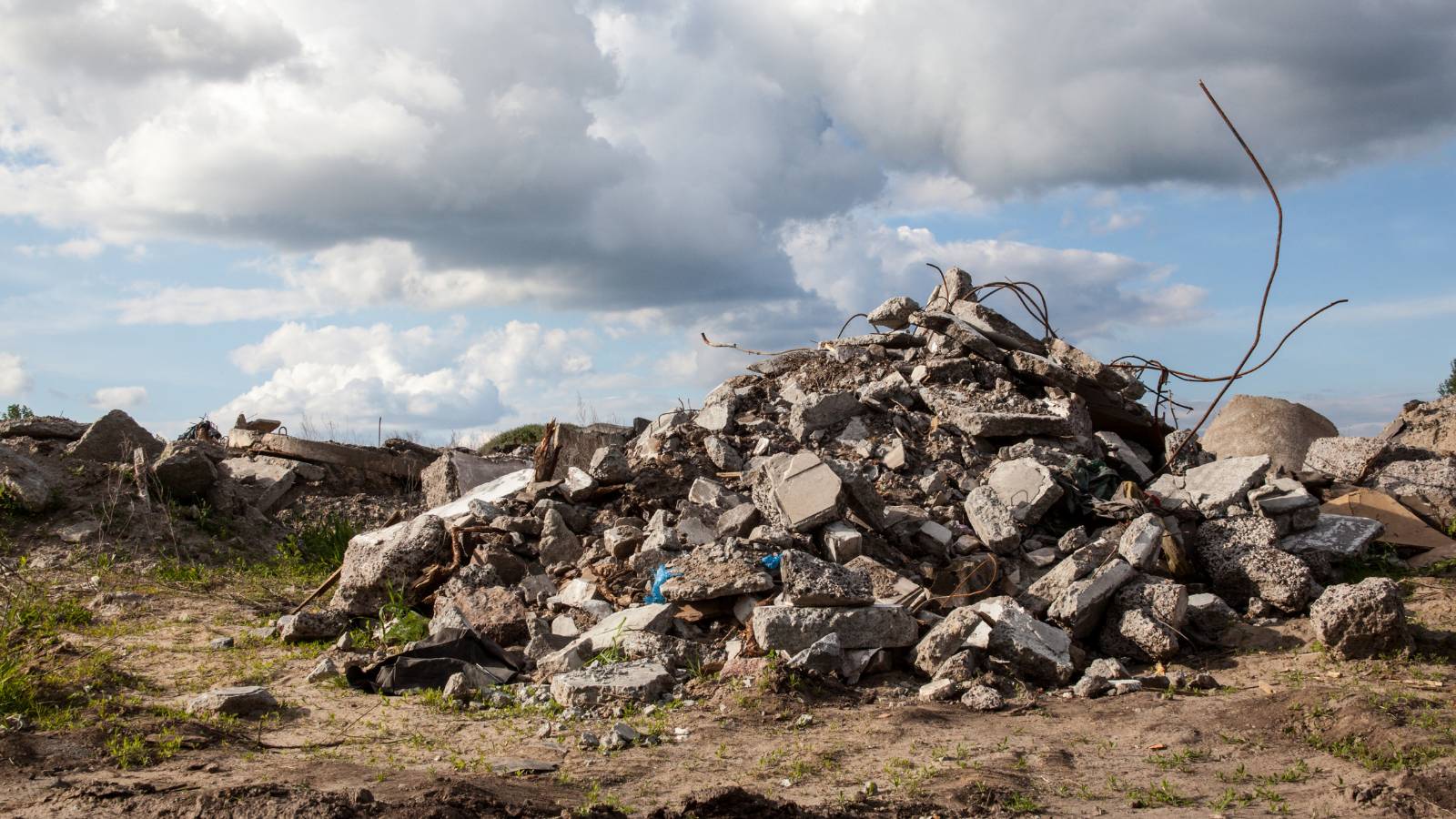
The United States generated over 600 million tons of construction and demolition debris in 2018. According to the Environmental Protection Agency, about 25 percent of this waste ended up in landfills. Reducing construction waste by building with cold-formed steel (CFS) framing can help building owners reign in project costs and protect the environment.
Steel for a Sustainable Future
In the past 30 years, there has been a 300% increase in the amount of construction waste sent to landfills. Demolition represents more than 90 percent of total debris generation, while construction represents less than 10%. The Bureau of Transportation Statistics reports that construction debris accounts for about 23% of the biocycle within a state.
“In many cases, contractors and project managers can pave the way for a more sustainable future by reducing and eliminating on-site waste through careful organization and planning methods,” says Ray Hatch, president and CEO of Quest Resource Management Group. “With a well-run program, you can [also] generate revenue and help offset the cost.”

The recycling rate for steel used in general construction, which includes recycling cold-formed steel stud scrap material, is 74%.
Building with CFS framing offers a simple way to reduce on-site waste and generate revenue through the development of a recycling program. The metallurgical properties of steel allow it to be recycled continually with no degradation in performance, and from one product to another.
Steel Scrap Generates Revenue
Fact.MR, a market research and competitive intelligence provider, forecasts the scrap metal recycling market to reach a valuation of around $60 billion in 2021. With growing interest towards reducing metal waste and carbon footprint across various industries, the global market is projected to register a compound annual growth rate of 5.5% between 2021 and 2031. The market has been forecast to reach a valuation of $103 billion by 2031.
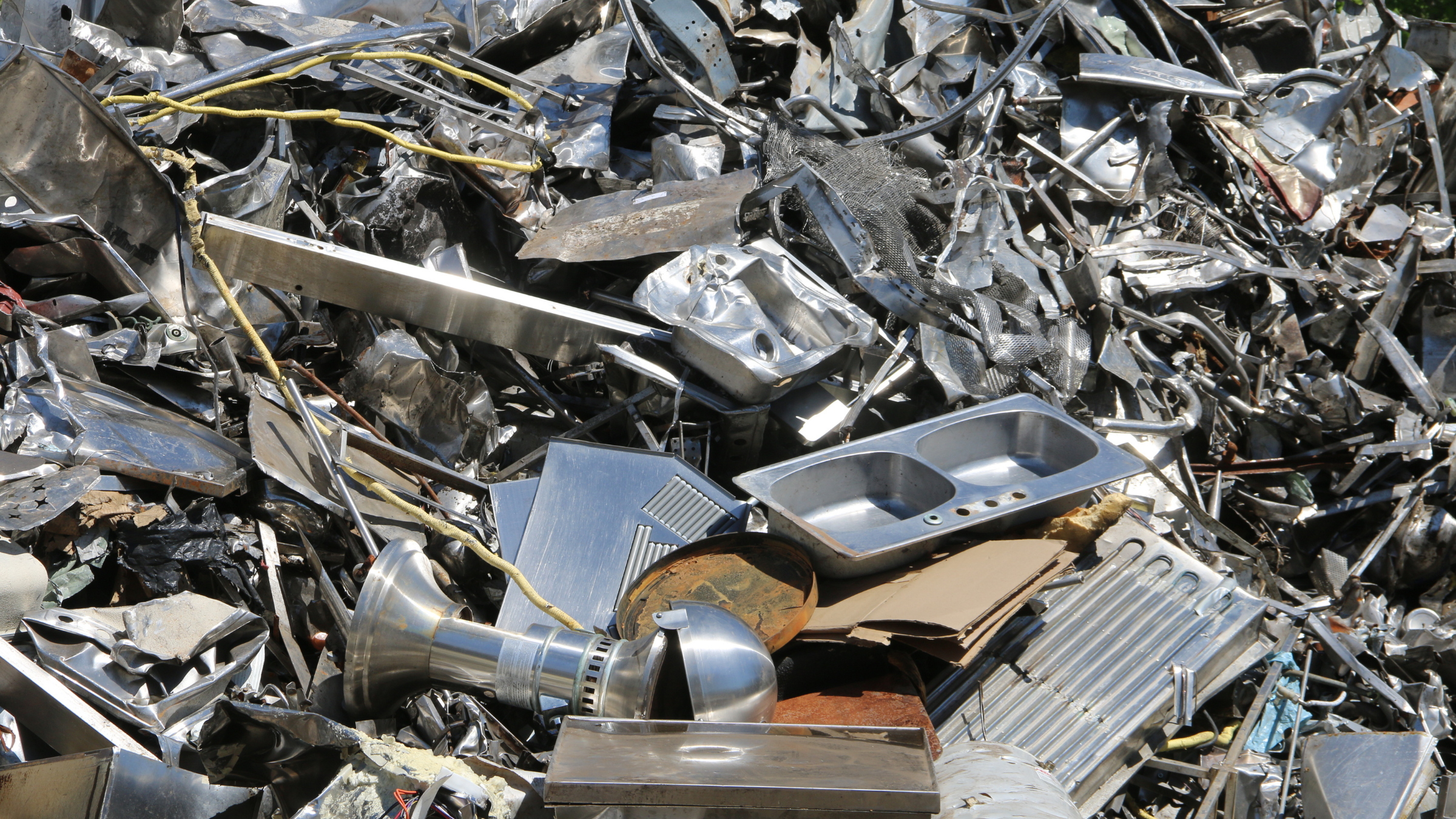
The scrap metal recycling market is expected to reach a valuation of around $60 billion in 2021.
With soaring demand for metals such as steel, aluminum and iron, manufacturers have shown keen interest towards recycling of scrap metals. As this process is simple and more cost-efficient than manufacturing of new metal, the market is expected to witness robust growth during the forecast period.
Steel Reduces Onsite Waste
When working with CFS, contractors can reduce waste by streamlining the manufacturing and installation process. Through panelization, CFS panels can be delivered to building sites ready to assemble, with little to no waste. Components are fabricated off-site and cut to precise specifications, which further eliminates material waste.
Benefits of Reducing the Disposal of Construction and Demolition Materials
According to the Environmental Protection Agency, reducing the amount of construction and demolition materials disposed of in landfills or incinerators can:
Create employment and economic activities in recycling industries and provide increased business opportunities within the local community, especially when deconstruction and selective demolition methods are used
Reduce overall building project expenses through avoided purchase/disposal costs, and the donation of recovered materials to qualified 501(c)(3) charities, which provides a tax benefit. Onsite reuse also reduces transportation costs
Lead to fewer disposal facilities, potentially reducing the associated environmental issues
Offset the environmental impact associated with the extraction and consumption of virgin resources and production of new materials
Conserve landfill space
Achieving LEED™ Certification with Steel Framing
The environmental benefits of steel framing, particularly high recycling rates, recycled content, and steel’s inert, non‐organic nature, make key contributions to achieving LEED™ certification from the U.S. Green Building Council. Credits in LEED that can be achieved with CFS in many key areas of construction.
“Getting a LEED certification is driven by either the building company or the city in which the project is being built,” says Hatch. “With LEED projects, monthly reports are sent to general contractors that show what materials are being diverted from the landfill. Then, it’s up to a general contractor to submit those reports to USGBC to get the certification for the building.”
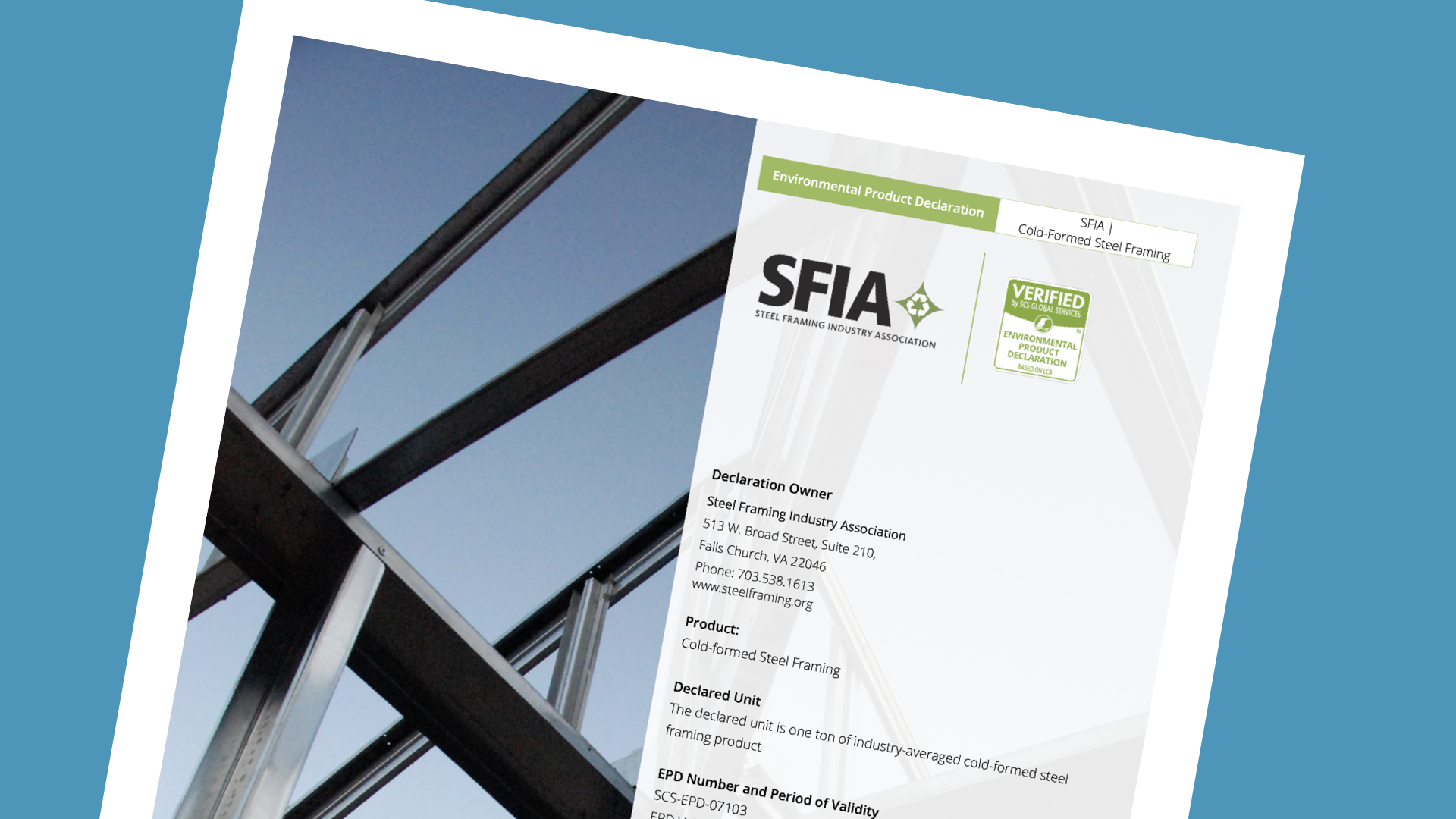
SFIA Environmental Product Declaration (EPD) — SCS-EPD-0713 — is valid through May 27, 2026.
The Steel Framing Industry Association (SFIA) has released a new Environmental Product Declaration for Cold-Formed Steel Framing, a tool for contractors, building owners, architects and others delivering advanced building designs that meet the latest LEED™ and other sustainable rating systems, programs and standards.
SFIA EPD for CFS Framing can be seamlessly integrated into project specifications as an option with company-specific EPDs. SFIA offers a Specifications Review Service for this task. Architects can request the SFIA Specifications Review Service for steel framing, which is a completely free checkup.
LEED™ Video Provides Insights into Credits for Cold-Formed Steel Framing
The Steel Framing Industry Association produced a special video presentation, “Cold-Formed Steel and LEED,” that provides a detailed explanation of the credits and points that apply to CFS as well as available resources where applicable.
Additional Resources
Steel is widely recognized as the most recycled material on the planet. Recycling of steel has long benefited the industry by saving on raw material costs, reducing the environmental footprint of steel production, and providing feedstocks of benefit to the metallurgical needs of steel producers. For more information, please see the following resources:
- LEED™ing with Cold-Formed Steel
- When Sound is “Green”
- Which is the More Sustainable Building Material – Wood or Steel?
- Steel Framing Provides Benefits to Investors Seeking Greener Buildings