
Cold-formed steel (CFS) continues to gain traction as a primary structural system, driven by its strength, efficiency and resilience. As adoption expands, project teams face increasing pressure to coordinate design decisions and maintain constructability across disciplines.
At Structures Congress 2026 in Boston, Massachusetts, a technical session examined how to address those challenges in load-bearing CFS systems. The session, “Best Practices and Design Examples for Load-Bearing Cold-Formed Steel Structures,” addressed design, coordination and constructability.
Members of the ASCE/SEI Committee on Cold-Formed Steel Members developed and presented the session. They included:
- Zane Clark, P.E., S.E., Zane Clark Consulting
- Hyeyoung Koh, Ph.D., P.E., Washington State University
- Zhanjie Li, Ph.D., SUNY Polytechnic Institute
- Cheng Yu, Ph.D., P.E., University of North Texas
- Bill Zhang, Ph.D., P.E., S.E., Kansas State University

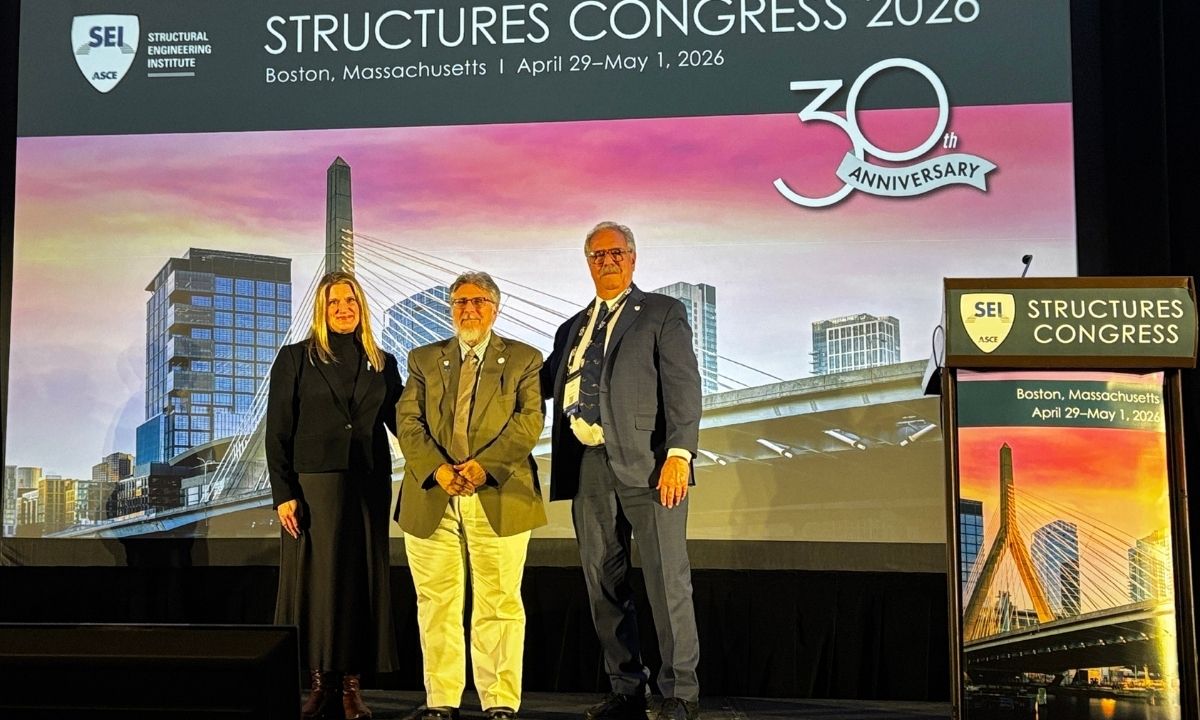
L-R (in photo above): Zane Clark, P.E., S.E., Zane Clark Consulting; Hyeyoung Koh, Ph.D., Washington State University; Bill Zhang, Ph.D., P.E., Kansas State University; Cheng Yu, Ph.D., P.E., University of North Texas; Zhanjie Li, SUNY Polytechnic Institute; Perry Green, Ph.D., P.E., Fellow, ASCE
Why Design Coordination Is Important
Today, many building projects delegate design to specialty engineers or panelizers. This approach improves efficiency but often introduces coordination gaps. These gaps occur when the engineer of record is not fully engaged.
- Successful CFS projects require clearly defined roles across the design team
- Early coordination helps prevent conflicts
- Coordination ensures that load paths remain continuous from design through construction
The “Best Practices” session reinforced that message. Strong coordination, clear responsibilities and complete load paths drive successful outcomes in load-bearing CFS systems, the panelists said.
Load Path Continuity in CFS Wall Systems
Load-bearing wall systems function as integrated assemblies. Studs, tracks, bracing, sheathing and connections must work together to provide stability.
The ASCE/SEI session compared steel bracing systems with sheathing bracing. Steel bracing systems, such as cold-rolled channel and strap bracing, provide discrete restraint. These systems require explicit force design and detailing. Sheathing provides distributed restraint along the stud length. Designers often do not fully account for this contribution.
Brace force resolution emerged as a key design requirement. The theory was that forces accumulate along bridging lines and must be reconciled through a discrete load path. As has been found with more recent research – and is being entered into the latest framing standards – ordinary attached gypsum panel absorbs this bracing force more than adequately when it is used.
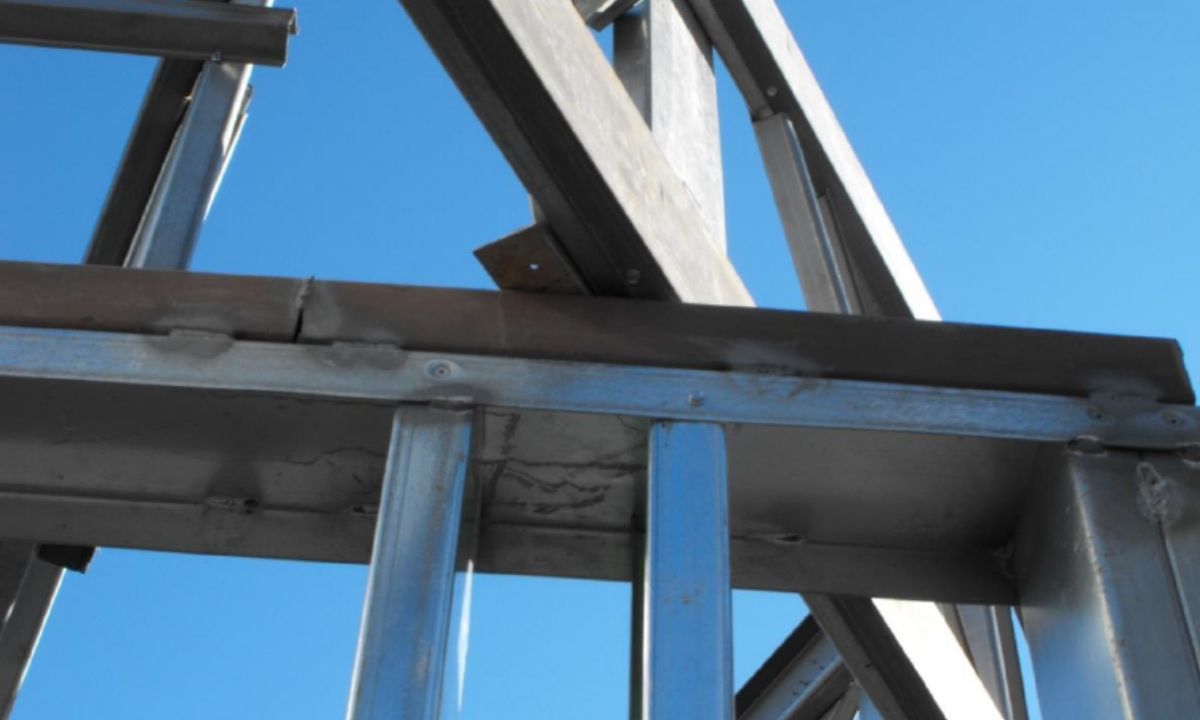
Proper alignment and detailing ensure load-bearing walls function as complete systems. Each component contributes to a continuous and reliable load path.
Most field issues relate to load path breakdowns. The session presenters noted common conditions that reduce performance. These include:
- MEP penetrations that weaken studs and interrupt load paths
- Misaligned or missing bridging that reduces bracing effectiveness
- Improper stud seating that creates gaps and introduce eccentric loading
Alignment and detailing also play a critical role. Misalignment introduces unintended bending. Poor detailing at openings, ledgers and supports concentrates loads in critical areas.
The takeaway is clear. Engineers must treat load-bearing walls as complete systems. Every component must contribute to a continuous and reliable load path, the presenters said.
Perry Green Recognized with Shortridge Hardesty Award
The American Society of Civil Engineers honored Perry S. Green, Ph.D., P.E., F.SEI, F.ASCE, with the 2026 Shortridge Hardesty Award.
ASCE presents this award to members who apply fundamental research to solve practical engineering problems in structural stability.
Green earned the award for cumulative efforts and outstanding achievements in research, teaching and professional engagement. His work has focused on the stability analysis and design of steel and cold-formed steel structures. As a result, he has advanced codes and standards for structural steel and cold-formed steel.
Lateral Systems Demand Early Decisions
The ASCE/SEI session then shifted to lateral force-resisting systems. These systems include all elements and connections that resist wind and seismic forces.
Key standards include AISI S100, S240 and S400. These standards define design methods, framing requirements and seismic provisions. Early decisions in the design process remain critical.
Engineers must decide whether to follow full seismic detailing requirements under AISI S400 or design for higher forces with simplified detailing. This decision affects system behavior, detailing complexity and project cost.
In moderate seismic regions, this choice becomes especially important. Teams must balance lower design forces against the added detailing required to ensure energy dissipation.
Expected strength and overstrength concepts also play a central role. Non-yielding components must resist forces generated by yielding elements. This approach allows controlled energy dissipation during seismic events.
Lateral design extends beyond primary systems. Engineers must design the full load path, including:
- Collectors and drag struts
- Anchors and hold-downs
- Diaphragm and track connections
Each component transfers forces through the structure. Missing or under-designed elements can compromise overall performance.
The program also addressed floor, roof and ceiling systems within the overall load path. These systems act as diaphragms that transfer lateral forces to vertical elements. Proper diaphragm design and connection detailing remain critical to system performance.
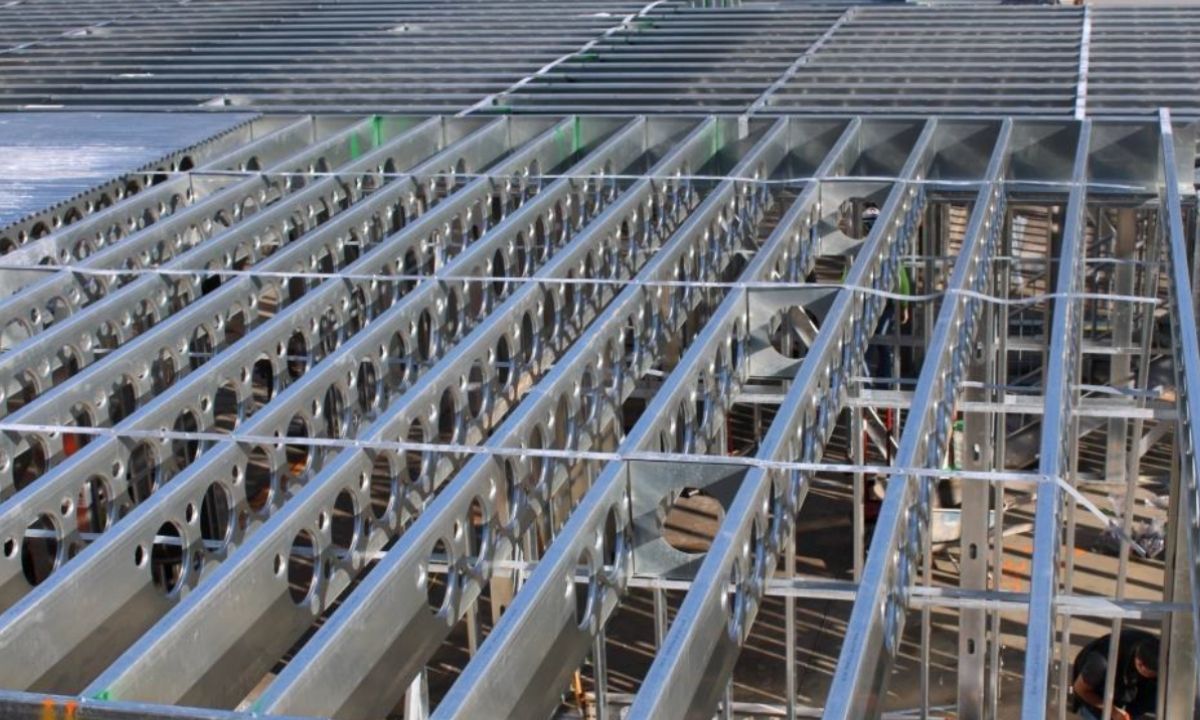
Floor systems play a critical role in the load path, acting as diaphragms that transfer lateral forces to vertical elements, with proper design and connections driving performance.
Shear Walls and Strap-Braced Systems
The panelists gave practical guidance on shear wall and strap-braced system design. A structured approach to Type I shear walls includes checks for shear strength, overturning resistance, anchorage and drift, they said.
Aspect ratio and boundary conditions play a critical role in performance. Wall geometry influences system behavior and can limit design options. Hold-downs resist overturning forces but do not carry vertical loads. Engineers must ensure that anchorage and boundary elements provide adequate resistance, the panelists said.
Architectural layouts often introduce constraints. Narrow wall conditions can limit the use of standard shear walls. In these cases, alternative systems become necessary.
Strap-braced walls offer an efficient solution in constrained layouts. These systems act as tension-only braced frames and provide flexible placement options. However, they require careful detailing of connections and load paths to perform as intended.
Proprietary systems and moment frames may also provide viable alternatives. System selection should align with project geometry, loading and constructability.
Early system selection improves coordination and reduces redesign risk.
Coordination Defines Success
The final portion of the ASCE/SEI session addressed coordination and clearly defined roles. Delegation does not remove responsibility from the engineer of record.
The engineer of record must define performance requirements, establish load paths and review delegated designs. Clear direction during design reduces confusion during construction.
Common coordination challenges include:
- Conflicts between structural framing and MEP systems
- Incomplete load paths at openings and transitions
- Unclear responsibility for connection and detailing design
These issues often stem from gaps in communication and documentation. When roles are not clearly defined, coordination suffers and field issues increase.
A guided design exercise reinforced these concepts. Participants developed gravity and lateral systems for a sample structure. The exercise showed how early coordination improves constructability and system performance.
Key Takeaways
Cold-formed steel continues to expand as a structural solution. It offers efficiency, resilience and predictable performance across building types.
Successful projects require more than material selection. Engineers must approach CFS as a complete system. They must define load paths, coordinate across disciplines and carry design intent through construction.
Early collaboration remains essential. When project teams align from the start, CFS systems deliver efficient construction and reliable performance.
Additional Resources
- Does Delegated Design Make Sense for Cold-Formed Steel (CFS) Interior Framing Applications?
- Research Finds Strap Bracing Superior to K-Bracing
- Designers: Update to SFIA’s 2025 Tech Guide for the Latest CFS Load and Span Tables