
Project performance begins with the framing system. Cold-formed steel (CFS) framing delivers strength, precision and value while enabling contractors to solve complex challenges beyond standard applications.
In the Walls & Ceilings article, “Modern Steel Framing,” Marco Johnson, editor of BuildSteel.org, highlights 10 applications that show how CFS framing helps contractors deliver improved performance, speed and resilience across today’s most demanding projects.
“CFS has become a problem-solving material of choice,” Johnson says. “Its dimensional stability, light weight and resilience let contractors build faster, waste less and fulfill complex design intents.”
Featured image (above): South Valley Prefab’s Carlos Mendez assembles cold-formed steel (CFS) framing.
10 CFS Applications Driving Performance
1. CFS-Framed Rounded Windows
Cold-formed steel (CFS) framing makes complex geometry buildable. In Denver, crews shaped curved openings for the Populus hotel by hand with precision on site. Bridging and bracing maintained strength at every edge. The result met the architect’s design intent without sacrificing performance.
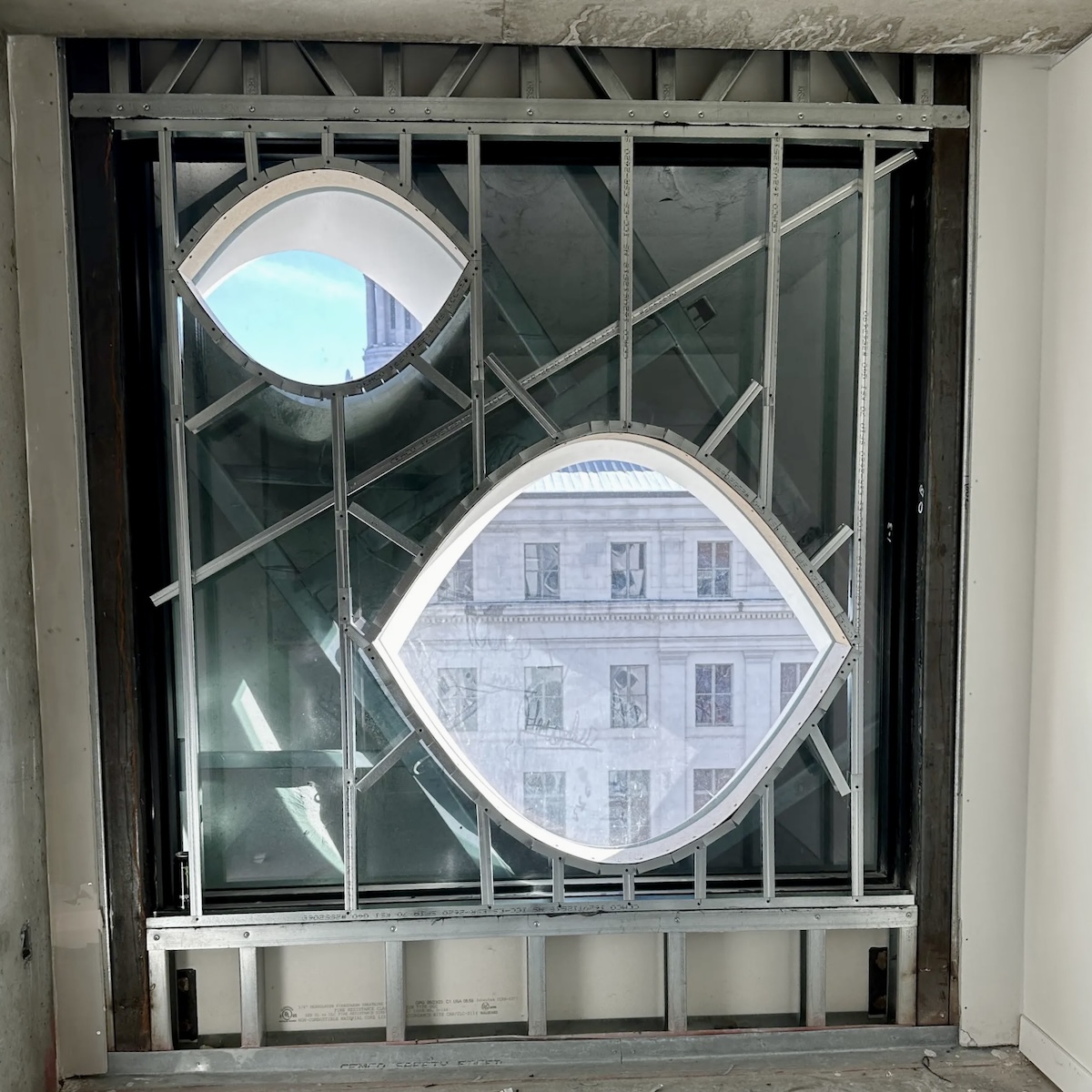
Cold-formed steel (CFS) framed the window openings of all shapes and sizes at Denver’s Populus hotel. Image courtesy of CEMCO
2. CFS-Framed Sculptural Structures
For a themed attraction in Central Florida, crews used CFS framing to execute complex, asymmetrical structures. The system supported varied angles, slopes and vertical elements up to 90 feet. Steel framing reduced facade weight compared to heavier materials. The approach improved constructability while maintaining design intent and performance.

At a central Florida theme park, cold-formed steel (CFS) studs frame fantasy structures. Image courtesy of KHS&S
‘Light Gauge’: An Obsolete Term
The term “light gauge” refers to the thickness of sheet and strip steel. This method for specifying thickness is now obsolete. Gauge numbers are only a rough approximation of steel thickness and should not be used to order, design or specify any sheet or strip product. Instead of gauge numbers, the steel framing industry now uses mils — 18 mil, 33 mi, for example — to designate CFS thicknesses in design specifications and contract documents.
While many still use the term "gauge" to refer to thickness, it is good to know gauge numbers and, where applicable, their corresponding mil thicknesses. Other industries, such as the steel deck industry, still use "gauge" to refer to thickness, but often their thicknesses are different from those used in steel framing. Therefore, this is another reason to use mil thickness or decimal inch to specify or order material.
3. CFS-Framed Pods
On complex interior projects, contractors use CFS framing to deliver prefabricated pods with precision. Crews build pods offsite and deliver them ready for installation. Steel framing provides the rigidity to lift fully finished units without damage. The approach reduces labor, improves safety and accelerates schedules.
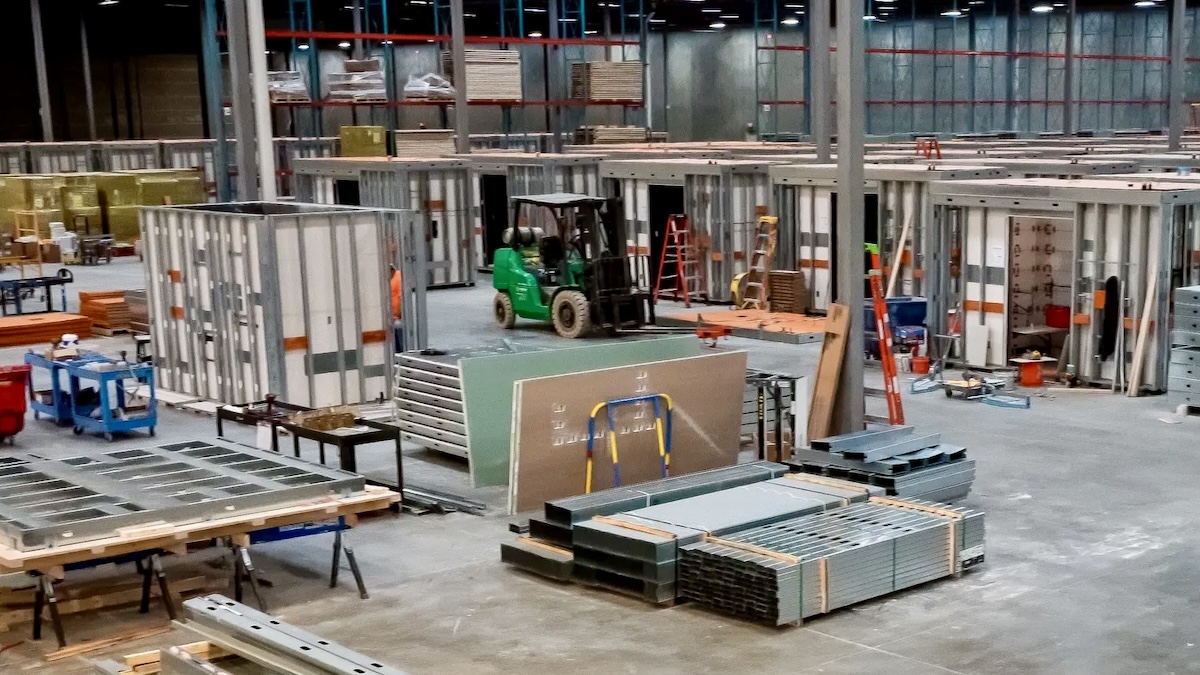
T.J. Wies Contracting prefabricated 277 bathroom pods and 224 headwalls for a healthcare project in St. Louis. Image courtesy of T.J. Wies
4. CFS-Framed Panels
On large-scale projects, contractors use CFS framing panels to accelerate enclosure. Crews fabricate panels in controlled environments using automated systems. Steel framing enables faster installation with fewer onsite workers. The approach improves speed, consistency and integration with structural systems.

South Valley Prefab builds cold-formed steel framed exterior finished panels.
5. CFS-Framed Fire Resilience
As risk exposure increases, developers turn to steel framing to improve fire resilience. Noncombustible CFS framing lowers premiums and improves fire performance. Research confirms structural stability under extreme conditions.

Last summer, UC San Diego and Cal Poly researchers tested a 10-story cold-formed steel framed structure with 18 simulated earthquakes and a controlled burn.
Surge in Fires: The Case for Steel Framing
Download this free article brief exploring the rise of fires in mid-rise wood construction across the U.S., highlighting incidents in California and Texas. The report outlines the key advantages of steel framing as a noncombustible alternative to significantly reduce fire hazards.

6. CFS Framing for Hurricane Recovery
CFS framing is reshaping rebuilding in hurricane-prone regions. After Hurricane Ida exposed the limits of wood framing, builders turned to stronger solutions. Steel framing resists moisture, pests and extreme weather while maintaining structural integrity. Communities use CFS framing to reduce long-term damage and recovery costs.
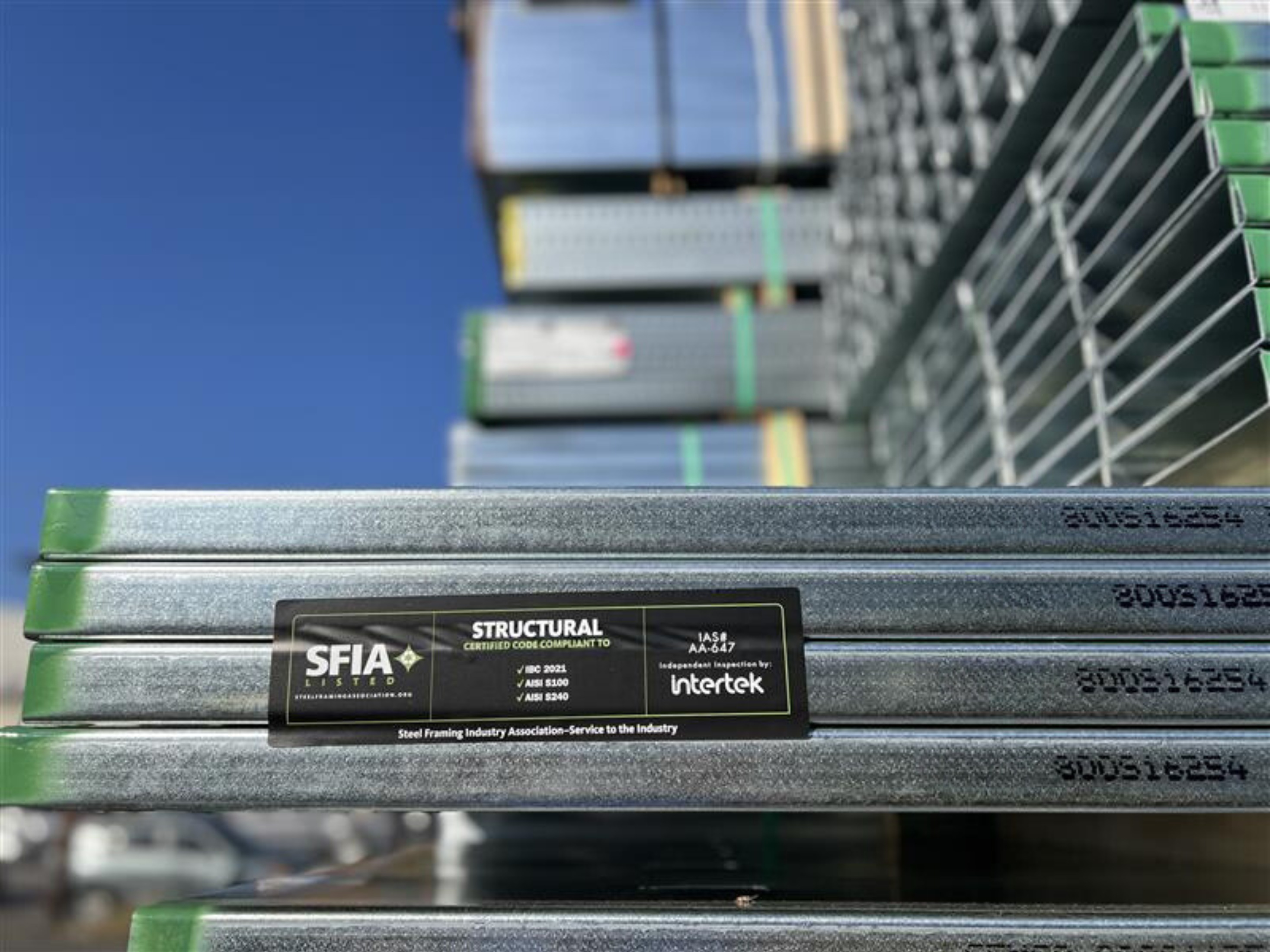
Cold-formed steel does not warp, rot or crack under pressure. It can endure harsh weather conditions.
How Cold-Formed Steel (CFS) Contributes to Resilience
- CFS is highly ductile. CFS can easily bend or stretch without breaking when force is applied. This gives it a higher degree of resistance to lateral loads, uplift and gravity loading, such as those imposed on a structure by seismic or high wind events.
- CFS is non-combustible. According to the Steel Framing Industry Association, tests conforming to ASTM E119 show that both load-bearing and non-load-bearing CFS-framed assemblies remain fireproof for up to four hours.
- CFS is durable. CFS is corrosion resistant. It does not retain moisture and will not harbor mold growth. CFS uses zinc or similar coatings to boost durability. It resists corrosion for hundreds of years before its protective layer breaks down.
- CFS is impervious to pests. CFS is one of the few building materials completely impervious to termites and other pests in any climate or building type.
- CFS is a highly sustainable material. Steel framing contains a minimum of 25% recycled content and is 100% recyclable at the end of its life.
7. CFS-Framed Barndominiums
As housing demand rises, builders use CFS framing to deliver efficient residential solutions, including barndominiums. Prefabricated systems speed construction and simplify assembly. Steel framing provides strength, durability and long-term performance to scalable housing with consistent build quality.
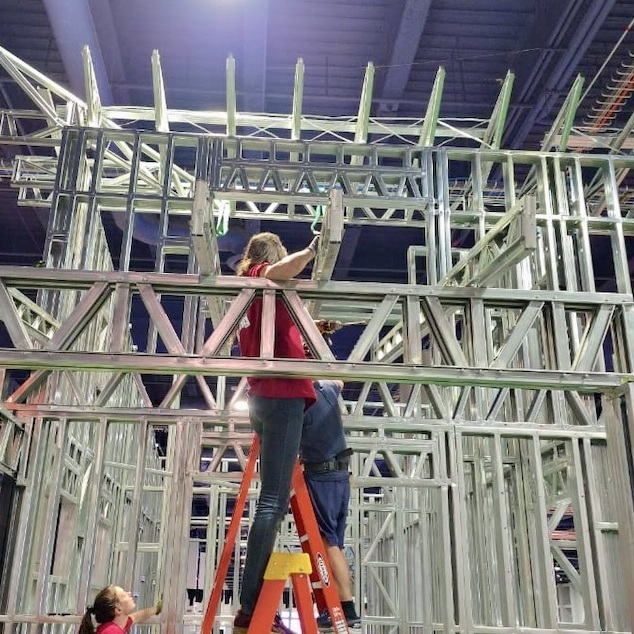
A Scottsdale team assembled a cold-formed steel framed barndominium live at METALCON 2025. Image courtesy of Scottsdale
8. CFS Framing Trusses
On large hospitality and commercial projects, teams use steel trusses to accelerate schedules. Prefabricated CFS framed systems arrive sequenced for efficient installation. Steel framing reduces weight while maintaining structural strength. Crews install long spans quickly with fewer delays.
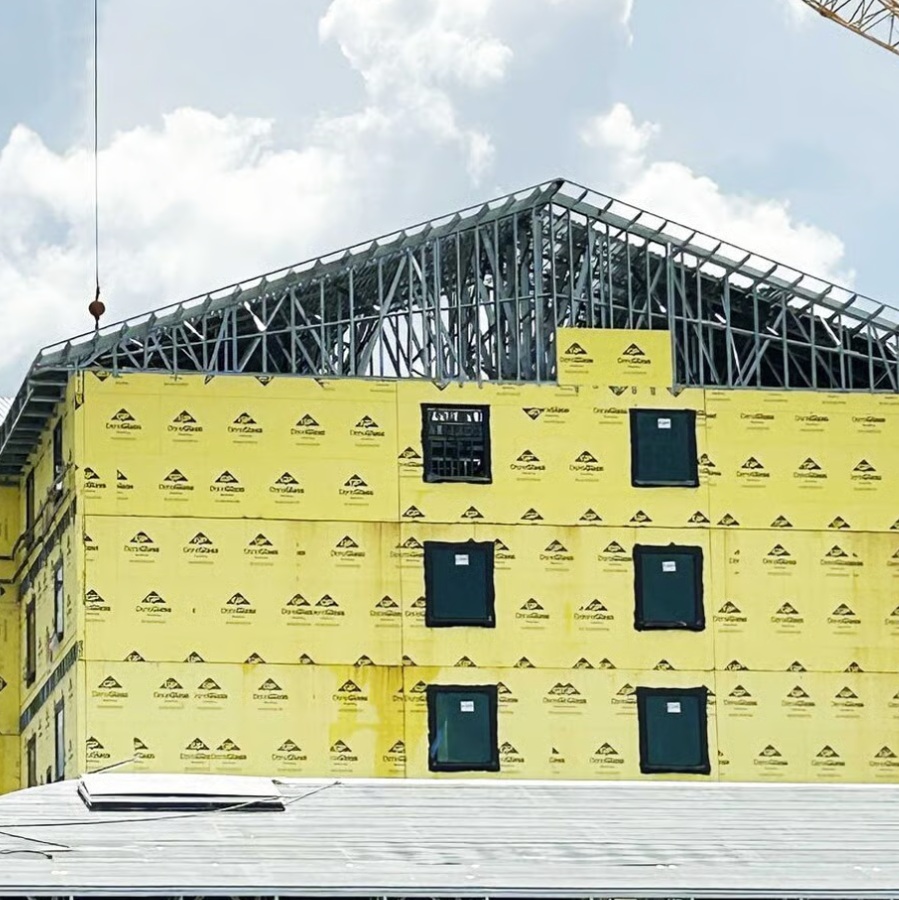
MiTek’s Ultra-Span trusses were installed quickly at Great Wolf Lodge. Photo courtesy of MiTek
9. CFS Framing for Acoustics
CFS framing chase walls help control sound in multi-unit construction. SFIA resources guide proper detailing and assembly. Decoupled configurations reduce vibration paths and improve performance. Steel framing delivers reliable acoustic separation and code compliance.
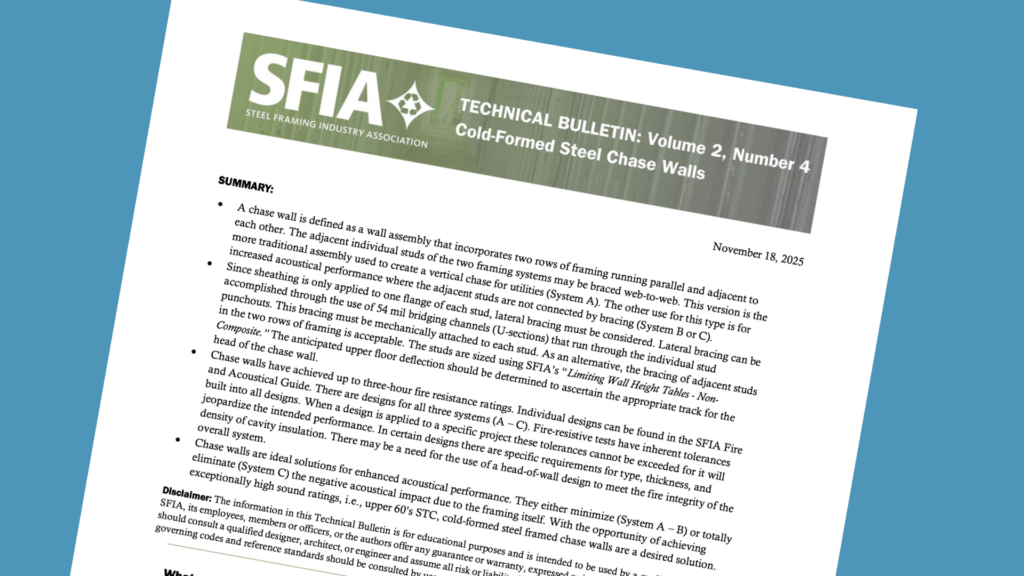
SFIA’s Tech Bulletin Vol. 2, No. 4 shows how cold-formed steel (CFS) chase walls can enhance acoustical performance.
10. CFS-Framed Multilevel Decks
In outdoor applications, including multilevel decks, teams rely on steel framing for durability. CFS framing enables longer spans and lighter structural systems. Installation moves quickly with minimal labor. Steel framing withstands weather, pests and long-term wear.
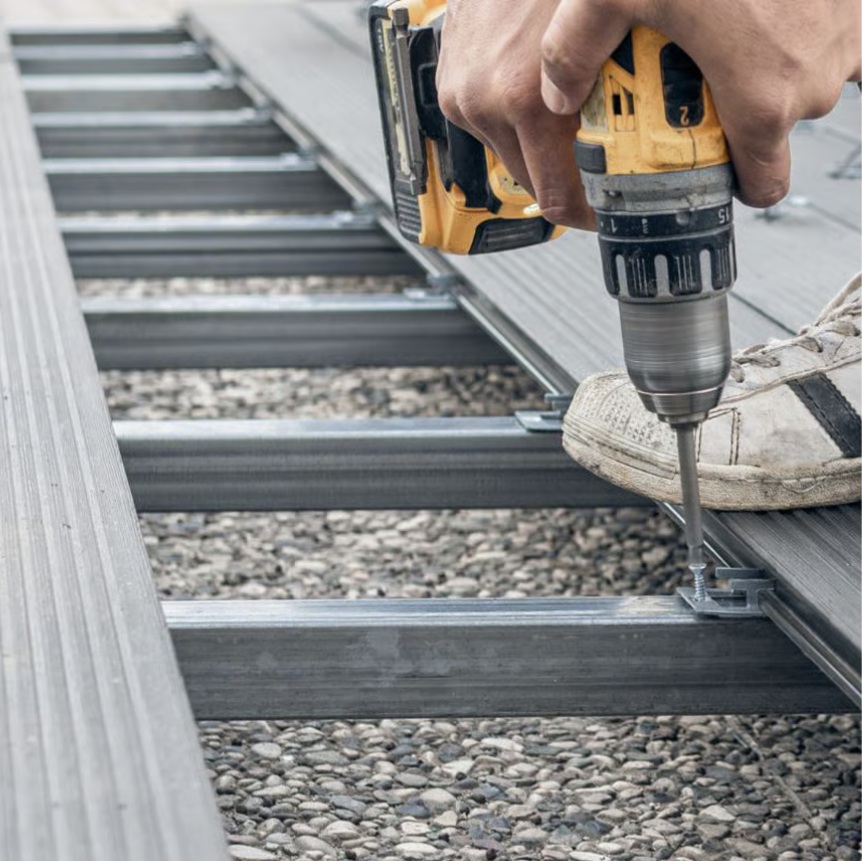
A remodeler used cold-formed steel (CFS) framing and helical piers to build a strong backyard deck.
Read the full article from Walls & Ceilings.
Additional Resources
- Cold-Formed Steel (CFS) Framing 101: A Practical Guide for Designers, Builders and Owners
- Steel Stands Firm as Termites Threaten Homes, Real Estate Agents Say
- Steel Framing: The Often Overlooked Key to a Better Kitchen and Bathroom Remodel