
Building professionals must understand the difference between hot-rolled and cold-rolled steel when planning any construction project. Both materials are common on job sites. But they differ in how manufacturers produce them and how they perform in the field. Each steel type provides advantages that affect strength, finish and use in construction.
SFIA member Mill Steel provides insights in the article “Hot-Rolled vs. Cold-Rolled Steel: What’s the Difference and When to Use Each.” The company explains how manufacturers produce each type of steel. The article describes where they perform best. It also shows how building professionals can choose the right steel for every project.
Images provided by Mill Steel.
Understanding the Rolling Process
Rolling refers to the process of passing steel through a series of rollers to reduce its thickness and improve uniformity. The temperature at which this occurs determines the classification.
Hot rolling takes place above the steel’s recrystallization point, typically over 1,700°F. Cold rolling occurs at or near room temperature after the steel has been hot rolled.
This difference in temperature affects strength, surface finish and dimensional accuracy.
Hot-Rolled Steel
Manufacturers roll hot-rolled steel at high temperatures, keeping it pliable and easy to shape. As it cools, slight variations in thickness or shape may occur, but these are acceptable for most structural applications.
- Advantages: costs less, excellent workability and can be produced quickly
- Limitations: rougher surface and less precise dimensions
- Common Uses: building frames, columns, heavy equipment and rail component
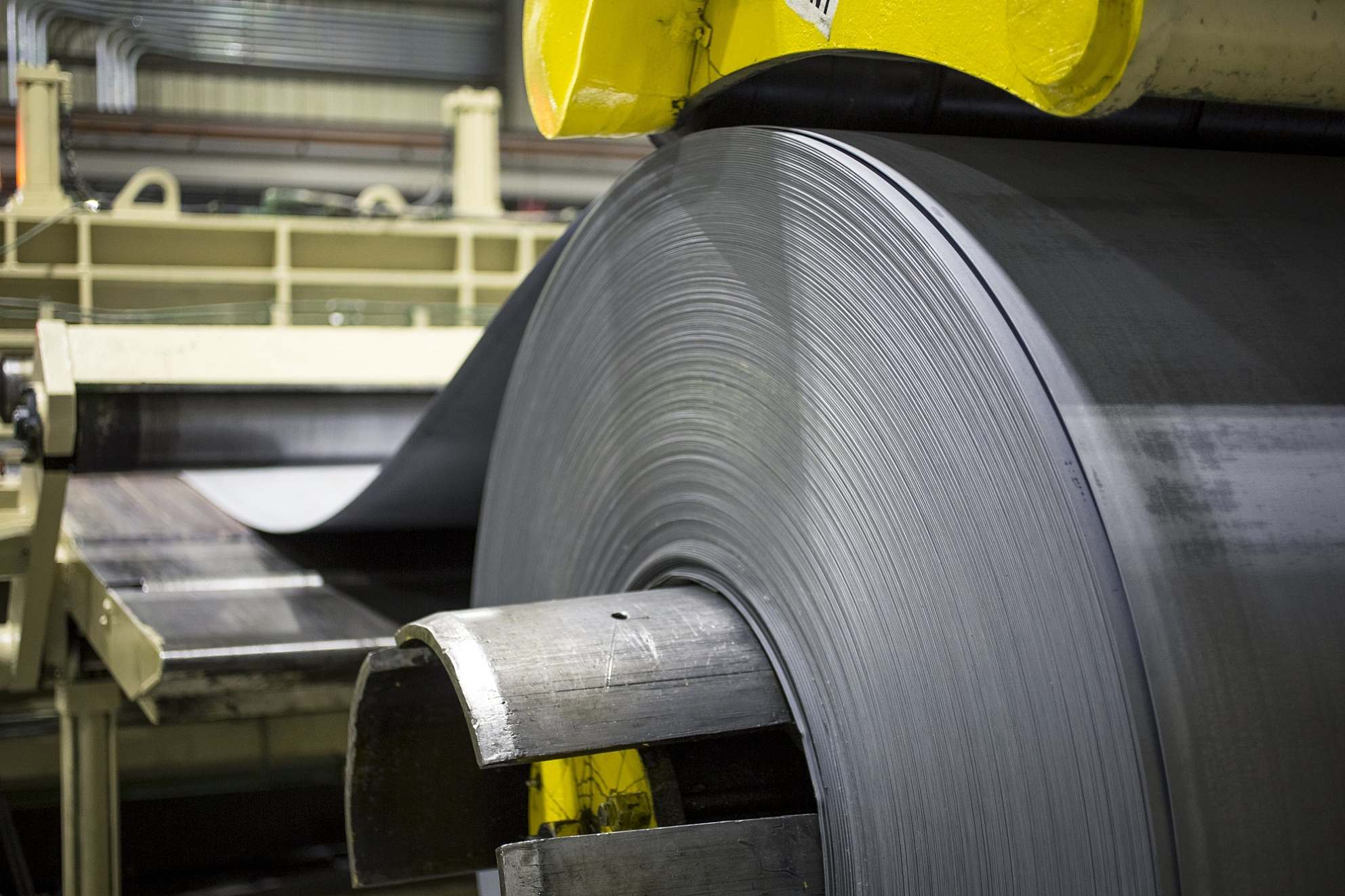
Hot-rolled steel delivers strength and durability. Builders use it for frames, columns, heavy equipment, construction products and rail components.
How Steel Is Made
Steel production begins with raw materials such as iron ore, coal and limestone. Manufacturers heat and refine these materials to create strong, durable steel. The video below shows each step of the process, from melting and casting to rolling and finishing. Modern technology ensures consistent quality for all construction applications.
Cold-Rolled Steel
Cold-rolled steel begins as hot-rolled material that is re-rolled at room temperature. This additional processing step improves surface finish, increases strength and refines dimensional accuracy.
- Advantages: smooth surface, higher strength and tight tolerances for precision work
- Limitations: higher cost, less ductile and more difficult to form
- Common Uses: Automotive parts, appliances, furniture and storage systems.
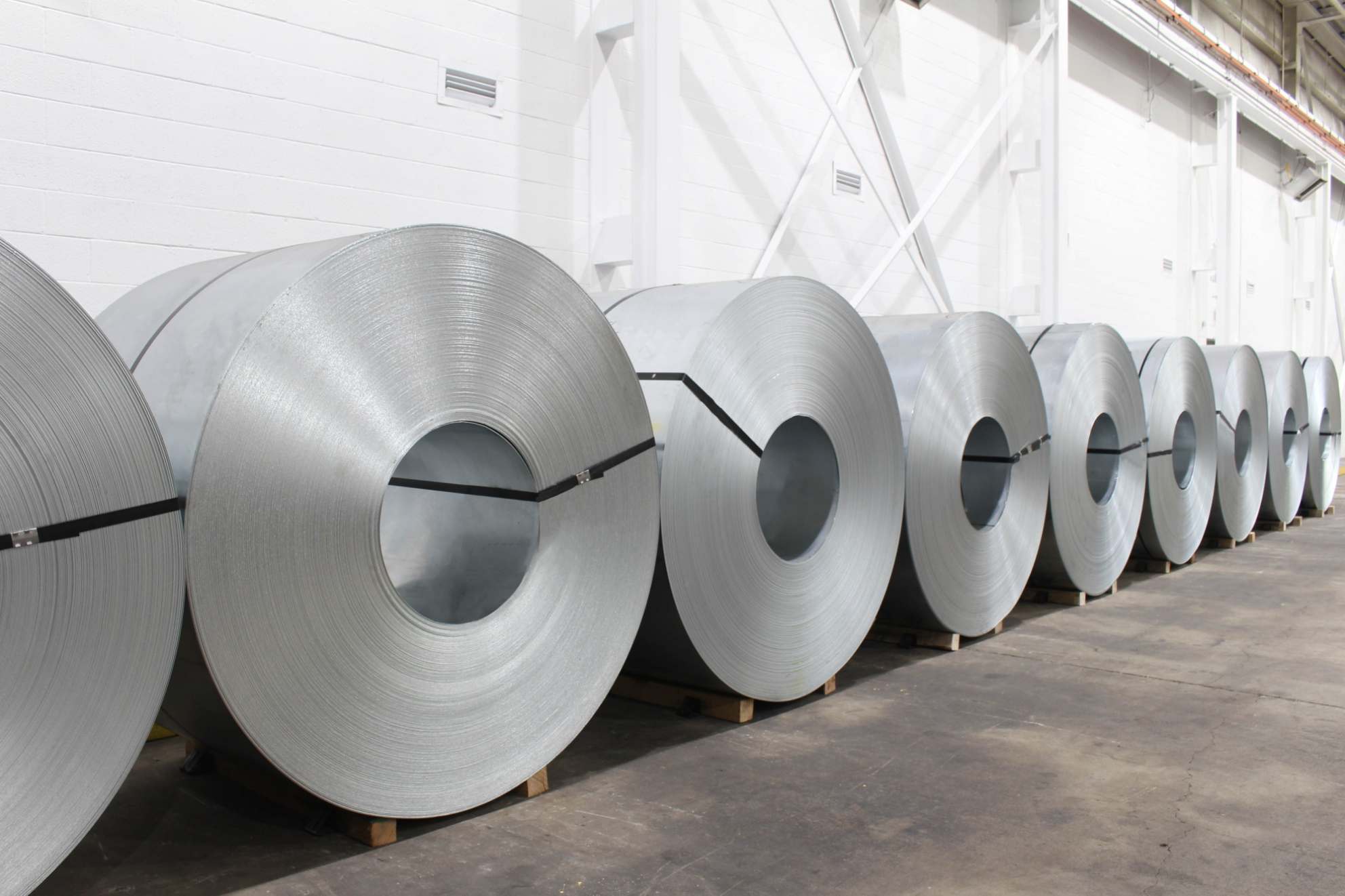
Cold-rolled steel provides higher strength and tight tolerances for precision work. Manufacturers use it for automotive parts, appliances, furniture and cold-formed steel (CFS) framing.
How Cold-Formed Steel (CFS) Framing Is Made
Cold-formed steel (CFS) framing begins with steel coil that is cold rolled for precise thickness and a smooth surface. Manufacturers feed the coil through roll-forming machines that shape the steel into studs, joists and tracks. The machines form the steel at room temperature using a series of precision rollers.
Because the process does not require heat, CFS members maintain tight tolerances and consistent strength. The result is a lightweight, high-strength framing system used for walls, floors and roof truss assemblies.
Manufacturers use precision roll-forming machines to shape cold-formed steel coil into studs, joists and tracks at room temperature.

Comparing Hot-Rolled and Cold-Rolled Steel
When selecting between hot-rolled and cold-rolled steel, consider the project’s requirements for appearance, precision and budget.
- Choose cold-rolled steel for clean finishes and tight specifications
- Choose hot-rolled steel for large, cost-effective structural applications
- Select galvanized steel (for cold or hot rolled) for added corrosion protection with a zinc coating
- Cold-rolled steel often delivers better performance for precision applications
Understanding how hot-rolled and cold-rolled steel differ helps building professionals choose the right material for each application. These range from large structural columns to precision-fabricated components such as cold-formed steel framing. By matching material properties to project needs, builders achieve better strength, quality and long-term durability.
Read the full article from Mill Steel.
About Mill Steel
The Mill Steel Company offers a full line of hot-rolled and cold-rolled carbon steel, as well as coated and painted products to meet a variety of steel applications. Our processing capabilities, national distribution network and customer-first approach make us a trusted partner across industries – from construction and manufacturing to automotive and agriculture.
For more information, visit millsteel.com

Additional Resources
- What Is Cold-Formed Steel Framing and How Can I Use It?
- Cold-Formed Steel Introductory Glossary
- 5-Minute Crash Course on Metal Framing