
At 2025 NASCC: The Steel Conference in Louisville, Kentucky, Dr. Ben Schafer, Willard and Lillian Hackerman Professor of Civil and Systems Engineering at Johns Hopkins University, sat down with Marco Johnson, editor of BuildSteel.org, to discuss the latest developments in cold-formed steel (CFS) design. From standards development to full-scale seismic testing, Schafer painted a picture of a dynamic and evolving industry.
Watch the BuildSteel interview.
A Time of Change for CFS Standards
In a separate interview conducted prior to the filming of the above video, Dr. Schafer, a longtime contributor to steel standards development, highlighted the shifting landscape as oversight of critical CFS documents transitions away from the American Iron and Steel Institute. Multiple organizations have stepped in to ensure that the standards remain current and robust, including the Steel Framing Industry Association (SFIA).
“We used to meet around one standard organization,” Schafer said. “Now there’s activity across many — SFIA, the Steel Deck Institute, the Steel Joist Institute, the Metal Building Manufacturers Association and others. Even AISC is now getting more involved.”
This distributed effort comes with opportunities. “There’s always concern about something slipping through the cracks,” Schafer acknowledged. “But what’s been heartening is seeing how many people have stepped up — volunteers, engineers, companies — all working to ensure nothing gets lost.”
What’s Next for AISI S100?
One of the key developments Schafer mentioned is the future of AISI S100, the standard for members and connections in CFS design. As of 2024, the latest edition is now available via the Steel Deck Institute and will remain active through 2033, Schafer said. But that may be the end of the line for S100 in its current form.
“By 2033, AISC plans to issue a new standard — likely part of AISC 360 — that combines hot-rolled and CFS member and connection design,” Schafer said. “That means S100 might not exist in name, but its content and function will live on in this unified standard.”
Working groups at AISC are already deeply engaged in this long-term project, with Schafer among the contributors helping to guide the effort.

Fire and seismic testing will be conducted at the NHERI Large High-Performance Outdoor Shake Table at UC San Diego in May or June 2025, says Dr. Ben Schafer of Johns Hopkins University.
CFS10: A 10-Story Experiment in Earthquake Engineering
Schafer’s enthusiasm visibly increased when the conversation shifted to research — specifically the CFS10 project, a full-scale, 10-story CFS steel building constructed for seismic testing at the University of California, San Diego.
“We just completed construction two weeks ago,” Schafer said. “It’s a real 10-story building — two rooms wide, internal staircases, cold-formed steel framing throughout and steel sheet shear walls. We’re now installing nearly 1,000 sensors to monitor both structural and non-structural performance.”
Testing will begin with what Schafer described as a “white noise” frequency test, followed by full-scale simulated earthquakes. The goal? To demonstrate that CFS structures can perform beyond the limitations currently imposed by building codes, particularly the 65-foot height restriction for CFS framing.
“There’s nothing about the engineering that limits us to that height,” Schafer said. “If you design it properly, you can build it taller — and we’ve done that. This project is about pushing boundaries and collecting the data to prove it.”
Unlocking the Flow of Forces
One particularly innovative aspect of the CFS10 project is its focus on understanding how forces actually move through a structure — not just how they’re intended to.
“We’ve designed it so we can see exactly where the loads go,” Schafer said. “Does the load go to the designated shear walls? Or does it spread across other parts of the building? That’s critical knowledge we’re trying to gather.”
The project represents a remarkable collaboration across the steel framing industry, with companies donating materials, labor and expertise. “It’s been a labor of love,” Schafer said.
CFS10 Test in May or June
Set to commence at the NHERI 6-DOF Large High-Performance Outdoor Shake Table facility at the University of California, San Diego, CFS10 is expected to yield critical insights that will enhance not only CFS-framed systems but also all structural systems. Additionally, the project promises to inform and advance design standards such as ASCE 7, AISI S400 and key construction handbooks.
Learn more about the CFS10 project.
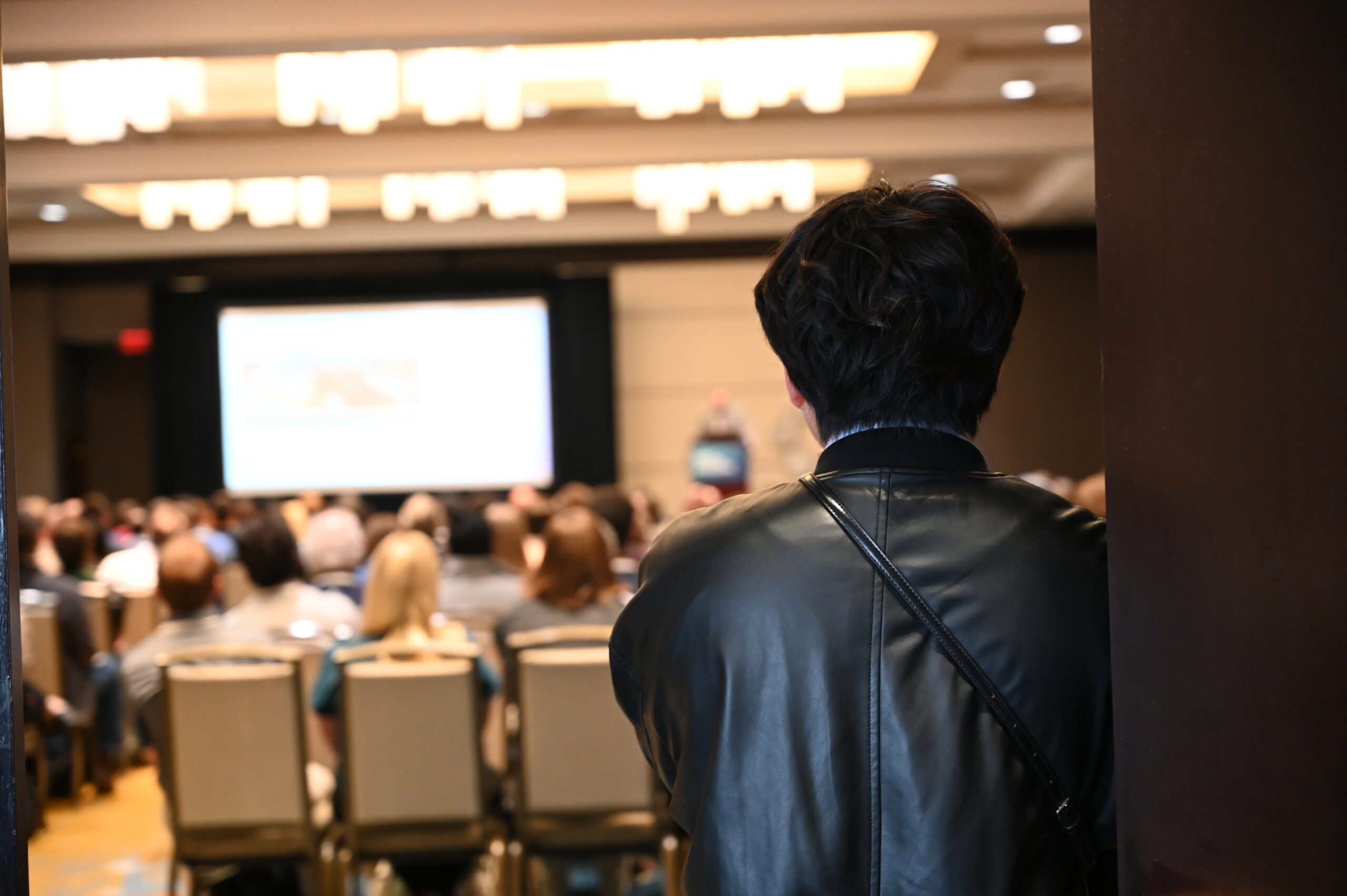
NASCC: The Steel Conference, held in Louisville, Kentucky, in 2025, targeted a hot-rolled steel audience. This year’s conference also featured sessions on cold-formed steel (CFS) framing design. Courtesy: AISC
Opportunities Ahead for CFS
Beyond the lab, Schafer sees tremendous opportunity for the CFS industry to grow. While steel framing has made major inroads into mid-rise and non-structural markets, he believes the next frontier may be residential construction — particularly in response to societal needs around housing, sustainability and resilience.
“With today’s concerns — climate change, fire risk, resilience, affordability — cold-formed steel has answers,” Schafer said. “It’s light, non-combustible, durable and scalable. If we can get the factory backbone right, there’s huge potential for residential solutions.”
Elevating CFS Education at NASCC
Schafer also praised NASCC’s evolving focus, particularly the addition of a dedicated CFS steel education track spearheaded by Dr. Kara Peterman. He noted the importance of reaching hot-rolled steel engineers who may not yet be familiar with cold-formed systems. NASCC: The Steel Conference is the American Institute of Steel Construction’s premier educational and networking event for steel design and construction.
“We’re trying to get people on the learning curve,” Schafer said. “AISC’s tagline used to be, ‘There’s always a solution in steel.’ Now we’re expanding what that means.”
As CFS continues to prove its value across applications, Dr. Schafer remains optimistic — and deeply engaged. Whether it’s shaping future standards or shaking a 10-story building on a test table, his work continues to push the boundaries of what’s possible with steel.