
BuildSteel™ is tracking the sustainability initiatives of Steel Framing Industry Association (SFIA) members and their partners. Here is some recent sustainability news related to the cold-formed steel (CFS) framing industry.
Arkitech: Tech Drives Sustainable Steel Framing
Arkitech, a Steel Framing Industry Association (SFIA) member and cold-formed steel (CFS) technology provider, recently published “Why Is Sustainability Important in Light Gauge Steel Technology?” The article about CFS framing explains why sustainability now drives decision-making across the construction industry, as builders respond to rising environmental expectations, efficiency demands and long-term performance requirements.
CFS framing technology supports these goals through recyclable materials, precision manufacturing and digitally optimized design. Advanced software improves efficiency before production begins, but also reduces waste and rework. CFS framing results in:
- Lower energy use
- Shorten construction schedules
- Lower overall environmental impact
Durability and lifecycle performance further strengthen the sustainability case for cold-formed steel framing, Arkitech says. CFS resists moisture, pests and environmental degradation, extending building service life. Long-lasting CFS-framed structures require fewer repairs and fewer resources over time. Thus, CFS framing systems align with modern sustainable construction practices.
Read the full article from Arkitech.
Steel Framing Elevates Curtainwall Energy Performance
Curtainwall performance depends as much on the framing system as it does on the glass. “Optimizing Energy Efficiency with Steel-Framed Curtainwalls,” published by Walls & Ceilings, explains how framing decisions directly influence airtightness, thermal control and overall envelope performance.
“While discussions about glazing systems often focus on selecting the right glass, the framing system is equally important,” says the article.
#Steel-framed #curtainwalls combine exceptional strength, slender aesthetics, and superior thermal performance to help architects design energy-efficient, airtight building envelopes that meet modern #sustainability standards. – @TechGlassProdhttps://t.co/yGnQJM9FaM pic.twitter.com/5EyfaRGDfC
— Walls & Ceilings (@WallsnCeilings) December 14, 2025
Steel’s strength and stiffness allow designers to span longer distances using slimmer framing profiles. Steel framing supports larger uninterrupted glass areas while maintaining structural performance and clean sightlines. These attributes help designers achieve energy goals without sacrificing durability or architectural intent.
Key steel framing advantages include:
- Lower thermal conductivity than aluminum, reducing heat transfer
- Slimmer framing profiles, minimizing material use
- Capacity to support double- and triple-glazed units
Together, these attributes enable steel-framed curtainwalls to achieve low U-values, maintain airtight seals and meet today’s energy and sustainability requirements.
Steel Framing and Australia’s Clean Housing Shift
Australia faces two crises that increasingly overlap, a severe housing shortage and rising carbon emissions. As The Conversation explains in the article, “Two birds, one stone? Green steel could tackle Australia’s housing crisis and cut emissions,” efforts to accelerate homebuilding often increase emissions, including those from the steelmaking process. Yet steel plays a major role in housing, from reinforced slabs and footings to wall studs, roof framing and bracing.
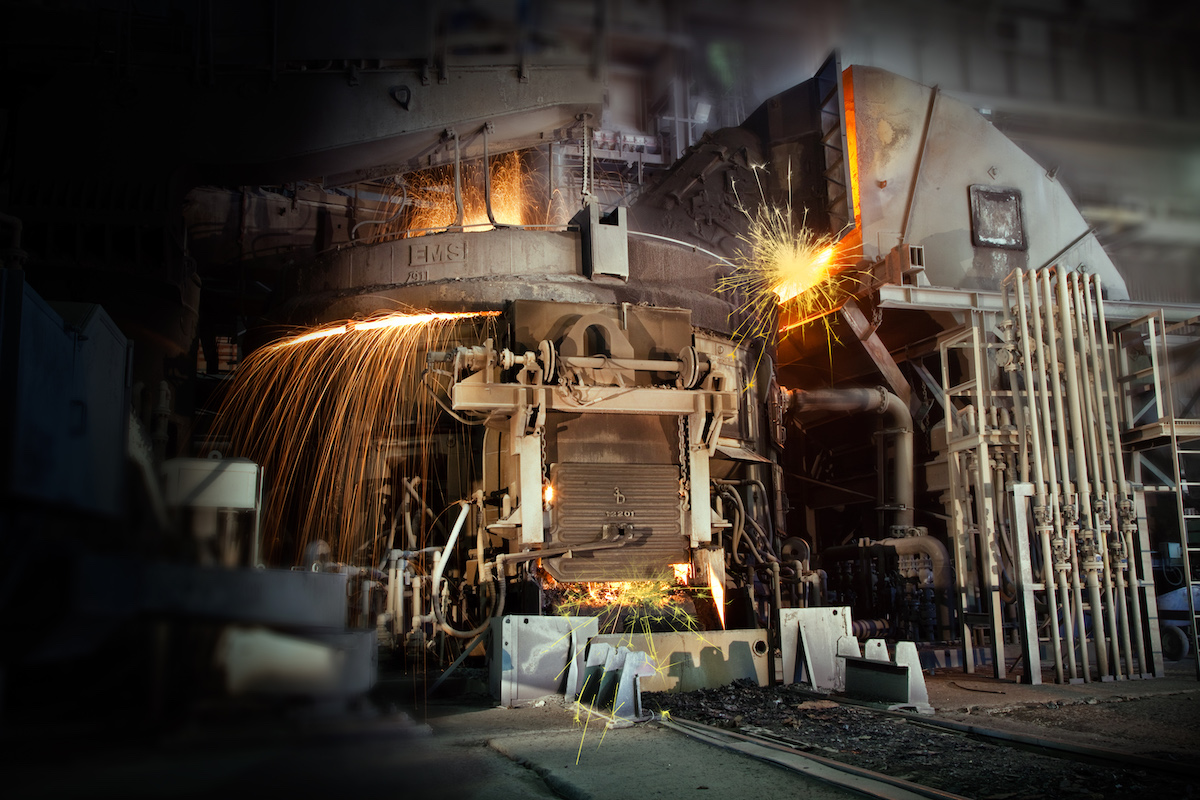
An electric arc furnace. Photo courtesy of Nucor
The article highlights how green steel can cut emissions from a material deeply embedded in residential construction. Producers can replace coal-based processes with electric arc furnaces and hydrogen-based ironmaking powered by renewable energy. Australia’s iron ore reserves, renewable resources and export demand make this transition achievable. Policy momentum is growing through green procurement, embodied-carbon reporting and certification systems that verify low-emissions materials for projects.
Steel framing also supports faster housing delivery when paired with prefabricated construction. Cold-formed steel (CFS) frames are strong, lightweight and manufactured to exact tolerances, making them well suited for off-site fabrication. Factory-built steel systems reduce waste, improve quality control and shorten construction timelines. While green steel currently costs more, that gap should narrow as clean energy scales, The Conversation says.
“Faster build times help housing supply, and cleaner steel helps the climate,” says the article. “The two goals can reinforce each other rather than compete.”
Additional Resources
- Update #27 | Sustainability News from Colorado Prefab Home, Arkansas DRI Plant and Australia Green Steel Initiative
- Update #26 | Sustainability News from Rwanda, Steel Dynamics and Atlas General Construction
- Update #25 | Sustainability News from the University of Waikato, Southeast Asia and Steel Dynamics
- Update #24 | Sustainability News from CFS Home Builders, ArcelorMittal Dofasco and Steel Dynamics
- Update #23 | Sustainability News from U.S. Steel, Steel Dynamics and ClarkDietrich