
Cold-formed steel (CFS) framing delivers strength, durability and long-term value for homes. Real estate agents favor steel-framed homes because they frequently encounter hidden structural damage in wood construction. They understand how termites create expensive surprises for buyers.
“Termites are a home’s kryptonite,” says Julie Gardner, a real estate agent based in Piedmont, California.
Her experience reflects decades of helping clients uncover severe and unexpected damage during remodels and real estate transactions.
Termites damage about 600,000 homes each year and cause $5 billion in annual losses, according to Orkin. Steel framing resists termites and dry rot because it is inorganic and does not absorb moisture. Real estate agents see these losses firsthand, which is why they increasingly favor materials that prevent hidden structural damage.
Image Credit: FRAMECAD
“Every house has secrets, but termites leave the most expensive ones,”
— Julie Gardner, real estate agent
Realtors Warn of Hidden Termite Damage
Termites cause more building damage in North America than tornadoes, fires and earthquakes combined. Formosan subterranean termites pose the greatest risk because colonies grow extremely large. A mature colony can reach 10 million termites and cover half an acre.
FSTs once lived only in Hawaii. They now infest broad regions across the Gulf Coast and Southeast, expanding far beyond their original range. Hawaii spends about $100 million each year on termite repairs. New Orleans spends nearly $300 million annually.
Termites Can Cause $100,000 in Damages
Real estate agents often witness the financial impact of hidden termite damage.
“The damage we thought was about $40,000 was more like $100,000,” says Gardner, describing termite damage in a Piedmont, California home.
Many homeowners face similar surprises when hidden framing is exposed.
“No matter how thorough the inspection, we often discover far more damage once we open the walls,” says Gardner.
These experiences shape realtor preferences for building materials. Cold-formed steel (CFS) framing helps prevent hidden deterioration and reduces long-term risk.
Steel: Stops Termites, Backed by Code
Steel is inorganic. Termites cannot eat it, nest in it or weaken it. This natural resistance removes the need for annual chemical treatments. It also prevents chemical off-gassing inside the building.
The International Residential Code lists cold-formed steel framing as one of six approved termite-protection methods, according to IRC Section R318.1 and Table R318.1(2).
This guidance applies to many building types because termite behavior does not change between residential and commercial structures.
Real estate agents prefer materials that reduce uncertainty for future buyers. CFS creates predictable performance and protects structures from hidden infestation.
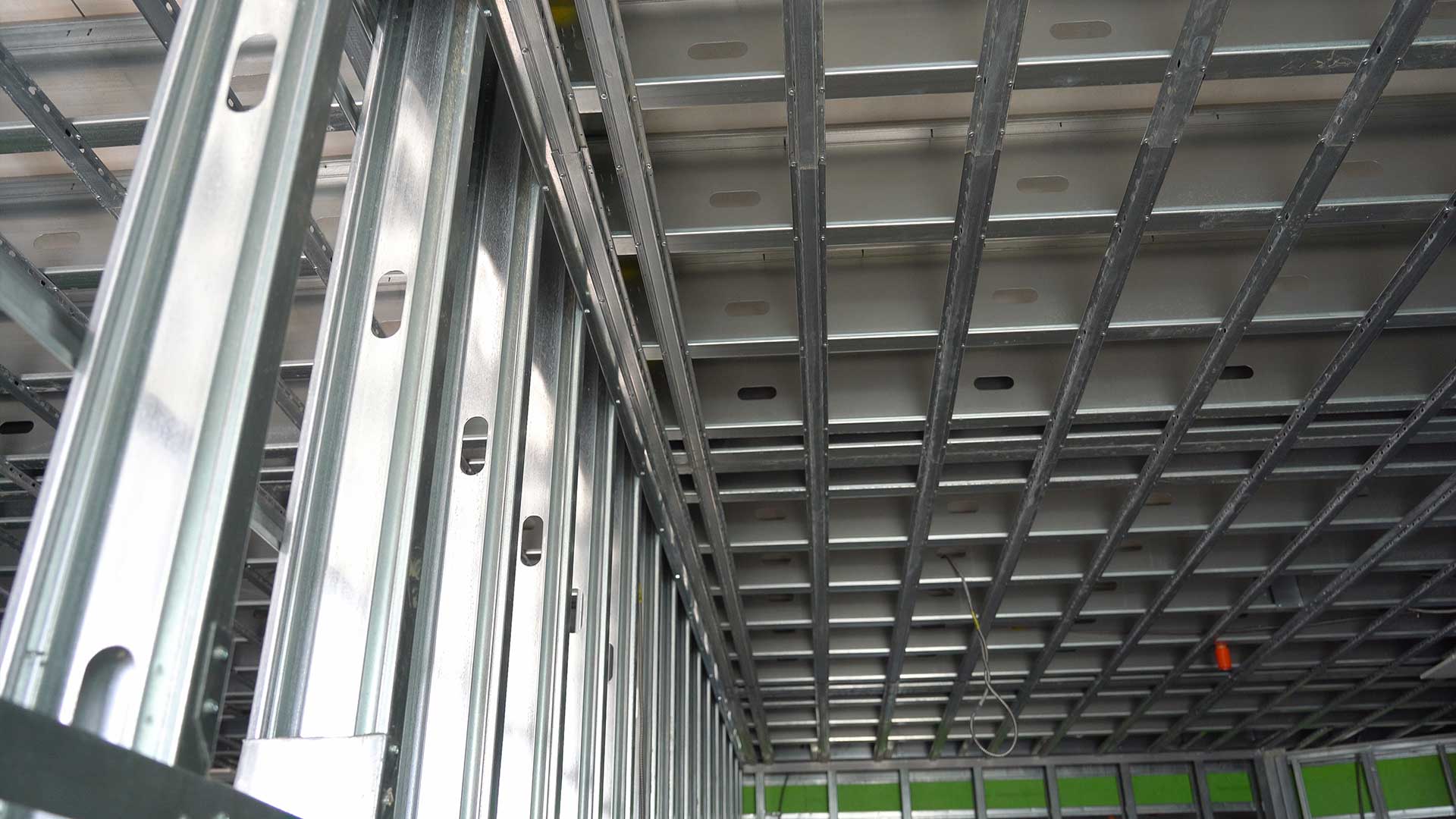
Steel is inorganic, so termites cannot eat it, nest in it or weaken it. This natural resistance eliminates annual chemical treatments and prevents chemical off-gassing inside the building
When Wood Fails, Steel Protects
Dry rot depends on moisture, and it can develop anywhere humidity or water intrusion occurs. Real estate agents see how hidden moisture damage weakens value and complicates sales.
Cold-formed steel (CFS) framing stops those problems before they start. Dry Rot Creates Serious Structural Risk
- Dry rot grows when wood holds 20%+ moisture content, even in mild climates
- Damage often stays hidden until structural movement or decay appears, usually during remodels
- Repairs frequently require demolition, investigation and major reconstruction, increasing project cost
Why Wood Framing Struggles
- Wood absorbs and retains moisture, creating ideal conditions for fungal decay
- Treating dry rot often requires chemical preservatives that affect indoor air quality
- Inspections may miss early-stage deterioration hidden behind finishes
Why Steel Solves the Problem
- CFS does not absorb water, even after flooding
- Steel contains no organic material, so fungal decay cannot grow
- CFS eliminates the need for chemical treatments and long-term monitoring
- This moisture resistance protects resale value and strengthens negotiations for future buyers
Steel Protects Long-Term Value
Steel framing can last hundreds of years when installed to code, frequently outlasting the building’s intended service life.
Homes with termite or moisture damage may lose up to 20% of their value. Steel framing helps owners avoid those problems completely and protects long-term value.
“Every house has secrets, but termites leave the most expensive ones,” says Gardner.
Steel framing removes those secrets and gives owners confidence in their investment.
Additional Resources
- Terminate the Termites
- One Simple Way to Save Billions of Dollars in Property Damage Caused by Termites and Dry Rot
- Breaking Free from Wood: Steel Framing for Homes Facing Hurricanes, Wildfires and Other Hazards