Featured image: Cold-formed steel (CFS) is an ideal framing material for both residential and commercial buildings. Photos courtesy of Prefab Consulting, LLC.
In modern construction, choosing the right materials is crucial for shaping the future of building practices. Cold-formed steel (CFS) stands out as a transformative material, offering a range of benefits that make it ideal for modern construction.
The Steel Framing Industry Association (SFIA) is at the forefront of promoting CFS framing, emphasizing its unparalleled advantages in terms of strength, efficiency and sustainability. Here are six unmatched advantages of CFS framing recognized by the SFIA and by myself.
Six Unmatched Benefits of Steel Framing
1. Strength-to-Weight Ratio
One of the most significant benefits of CFS is its exceptional strength-to-weight ratio. It’s a game changer.
This characteristic allows structures to be both strong and lightweight, making them easier to handle and transport. For example, an 8-foot long 3-5/8 inch, 12-gauge metal stud can support a load of 8,000 pounds while weighing only 20 pounds. This impressive ratio ensures that buildings can withstand substantial loads and environmental stresses, such as heavy winds, earthquakes and snow loads, without compromising structural integrity.
“When cold-formed steel sheet is formed into a C-shape, like a stud, the bends act as stiffeners and increase the strength of the steel sheet dramatically, providing a strength-to-weight ratio that is up to seven times greater than that of dimensional lumber,” the SFIA notes.

The exceptional strength-to-weight ratio of cold-formed steel (CFS) is a game changer in construction.
2. Precision and Efficiency
CFS is manufactured with high precision, ensuring components meet exact specifications. This precision translates into fewer on-site modifications and faster assembly times, significantly improving construction efficiency. Additionally, the use of CFS reduces material waste, as each piece is crafted to fit perfectly within the design parameters, enhancing the overall sustainability of construction projects.
3. Design Flexibility
The high strength-to-weight ratio of CFS offers architects and engineers greater design flexibility. This flexibility allows for innovative and complex designs, including larger open spaces and thinner walls, which are not feasible with traditional materials. The ability to create intricate designs without sacrificing strength makes CFS a preferred choice for both residential and commercial projects.
“Cold-formed steel’s versatility enables us to meet the specific needs of each project,” says Matthew Comber, SE, PE, co-founder of Industrialized Construction Solutions, Inc. “Whether it’s a residential building with open living spaces or a commercial structure requiring large spans, CFS makes it possible.”
4. Sustainability and Environmental Impact
Sustainability is a critical concern in today’s construction industry. CFS is 100% recyclable, meaning it can be reused without losing its structural properties. The use of CFS reduces the demand for raw materials and minimizes the environmental footprint of construction projects. Additionally, the durability of CFS ensures that buildings have a longer lifespan, reducing the need for frequent repairs and replacements.
A World Steel Association report says “steel is the most recycled material in the world, contributing significantly to the circular economy and sustainability goals.”
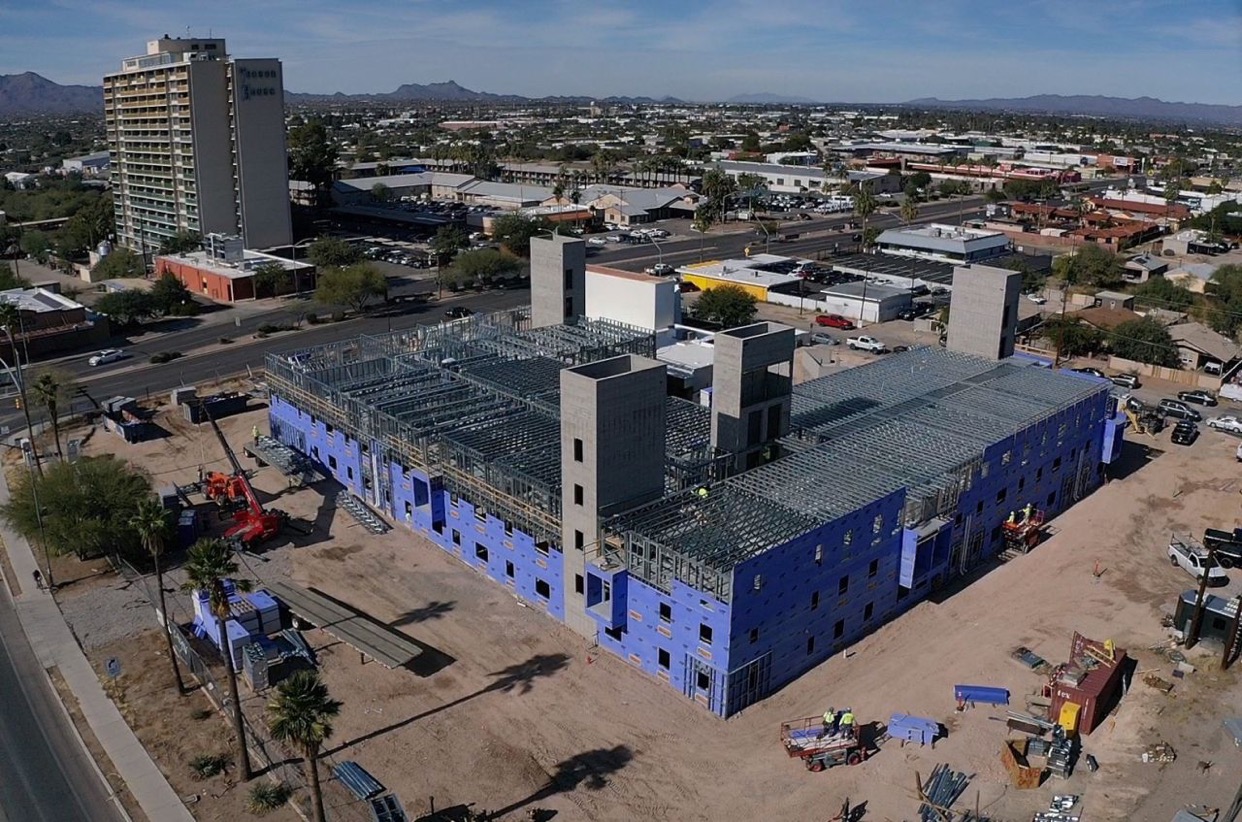
The efficiency and durability of steel framing translates into significant cost savings over a building’s lifecycle.
5. Cost-Effectiveness
The efficiency and durability of CFS translate into significant cost savings over the lifecycle of a building. The reduced need for repairs, lower maintenance costs and faster construction times contribute to the overall economic benefits of using CFS. Moreover, the lightweight nature of CFS reduces transportation costs and labor requirements, making it a financially viable option for various construction projects.
6. Enhanced Safety and Resilience
CFS structures are not only strong, but also resilient. They are less susceptible to damage from pests, fire and moisture compared to wood. This resilience ensures a longer lifespan and better protection for occupants, making CFS an ideal choice for both residential and commercial buildings.
Steel framing provides unparalleled safety benefits, particularly in regions prone to seismic activity or severe weather conditions.
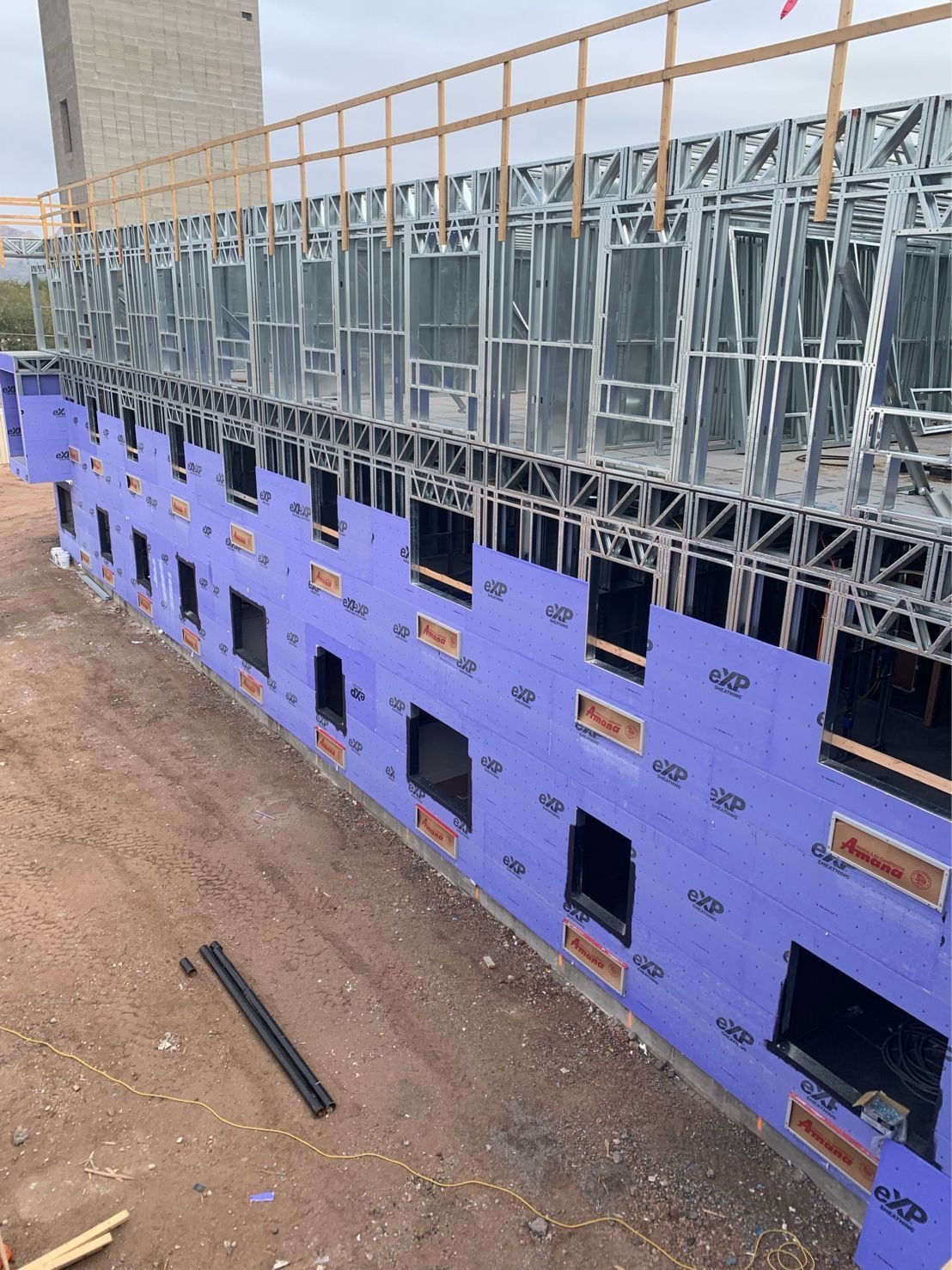
The benefits of cold-formed steel (CFS) include faster construction times, fewer repairs and lower ongoing maintenance.
Safer, More Durable, Environmentally Friendly
The benefits of cold-formed steel in construction are clear: superior strength-to-weight ratio, precision, design flexibility, sustainability and cost-effectiveness. As the construction industry continues to evolve, the adoption of CFS will be crucial in building safer, more durable and environmentally friendly structures.
The SFIA is dedicated to promoting the use of CFS, ensuring that the construction industry remains innovative and sustainable.
About Prefab Consulting Services
Steel Framing Industry Association member, Prefab Consulting Services, LLC, headed by Robert Johnson, provides tailored consulting services to meet client needs. From project planning to completion, our team delivers innovative solutions that exceed industry standards. Prefab Consulting Services assists clients in a number of ways, from investor introductions to design and engineering recommendations, material procurement, business development and social media management. Johnson is host of the Build It Better podcast.