
At the 2025 Structures Congress in Phoenix, Arizona, two of the cold-formed steel (CFS) industry’s leading voices — Don Allen, executive director of the Steel Framing Industry Association (SFIA), and Dr. Cheng Yu, P.E., F.SEI, F.ASCE, chair of the ASCE Structural Engineering Institute’s Committee on Cold-Formed Steel Members and professor at University of North Texas — sat down to reflect on the benefits, growing adoption and future potential of cold-formed steel (CFS) framing in structural design. Watch the BuildSteel™ interview.
Don Allen and Dr. Cheng Yu discuss steel framing innovation at 2025 Structures Congress.
Both Allen and Yu presented at this year’s Congress, each highlighting different applications of steel framing. Allen moderated a session focused on curtain wall and non-load-bearing systems, while Yu led a session exploring load-bearing CFS framing for buildings. Both sessions attracted strong attendance from structural engineers, contractors and architects — an encouraging sign of the material’s growing influence.
Why CFS Fuels Innovation in Structural Design
Dr. Yu, a professor and researcher who has dedicated his career to advancing cold-formed steel technologies, emphasized that CFS offers an exceptional opportunity for innovation.
“There’s so much going on with cold-formed steel,” said Yu. “You can apply your energy, your skills and your research to close design gaps and introduce more efficient, safer methods for using this material. It’s fun, it’s dynamic — and there’s still so much room for advancement.”
He noted that new technologies and construction practices continue to evolve, and researchers must stay ahead by updating design provisions to reflect modern demands. The goal is to ensure that CFS remains a reliable, efficient and forward-compatible structural option for architects, engineers and builders.
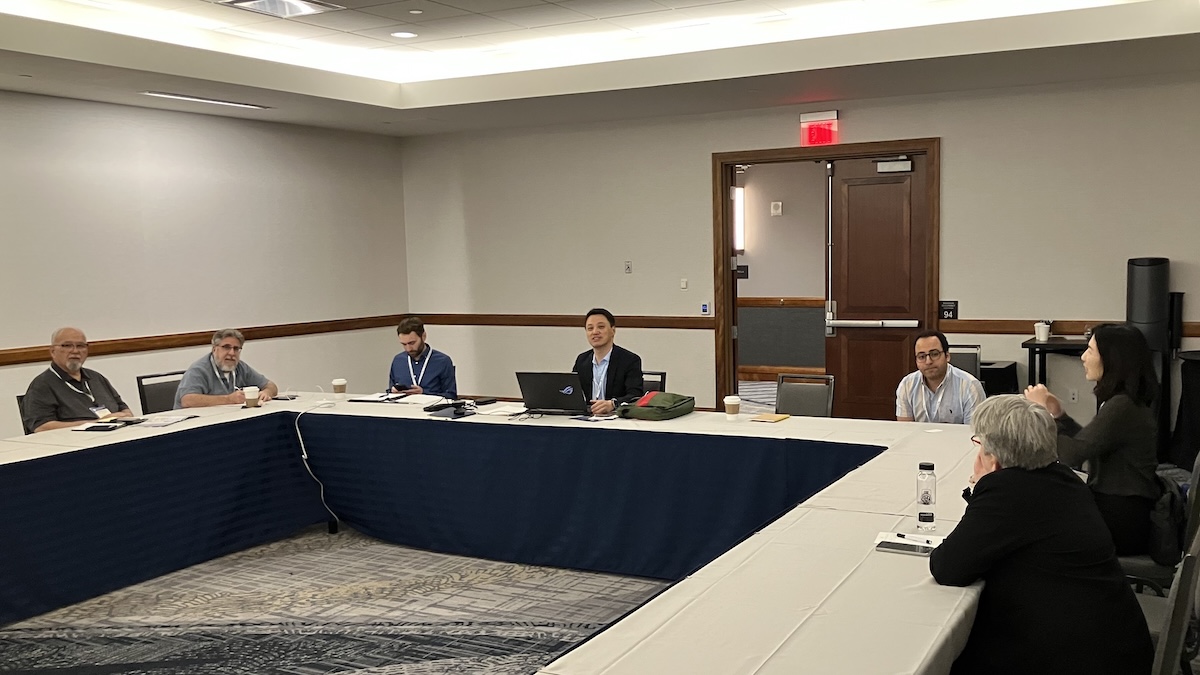
Dr. Cheng Yu (center) and other members of the ASCE SEI Committee on Cold-Formed Steel (CFS) met at Structures Congress 2025.
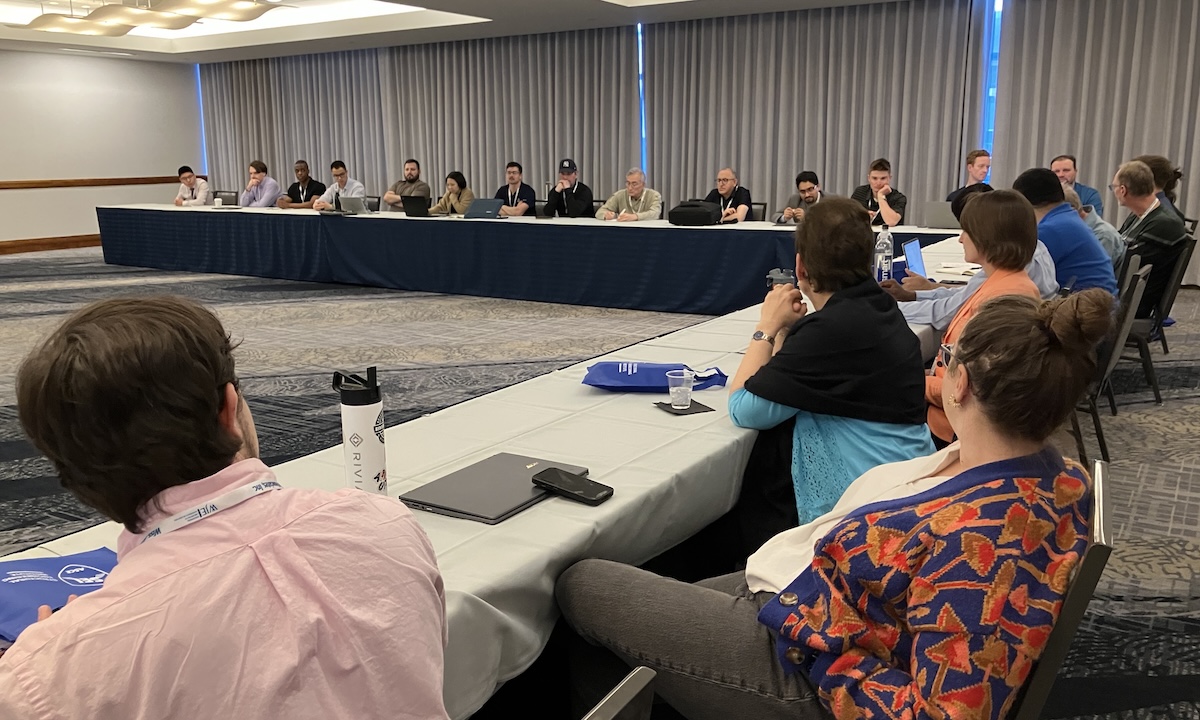
Sean Agostino (left), cochair of ASCE’s SEI Sustainability Committee, leads a session on embodied carbon and lifecycle analysis at Structures Congress 2025.
Addressing Modern Building Challenges with CFS
One of the major benefits of CFS, Yu explained, is its non-combustibility — a critical feature that sets it apart from other light-framing materials in both residential and commercial construction.
“We don’t have many non-combustible material options in residential construction,” Yu said in the interview. “That gives cold-formed steel a major advantage in terms of life safety, durability and long-term building performance.”
Yu also stressed the importance of collaboration. As the industry works to deliver higher-quality homes and buildings, engineers must work alongside architects, contractors and developers to make smarter material choices — choices that benefit both building occupants and the broader community.
SEI Committee Drives Code and Research Progress
As chair of the ASCE SEI Committee on Cold-Formed Steel Members, Yu plays a central role in shaping the standards and research that guide the industry. The committee continues to support research initiatives and efforts to refine the building codes to make steel framing options more accessible to engineers and more attractive to developers.
Allen praised Yu’s commitment to bridging research and practice. “We’re grateful for your leadership and your work to help turn cold-formed steel research into usable, code-backed guidance that our members can apply in the real world,” Allen said.

Cheng Yu discusses the advantages of cold-formed steel (CFS) framing with SFIA’s Don Allen at ASCE 2025 Structures Congress.
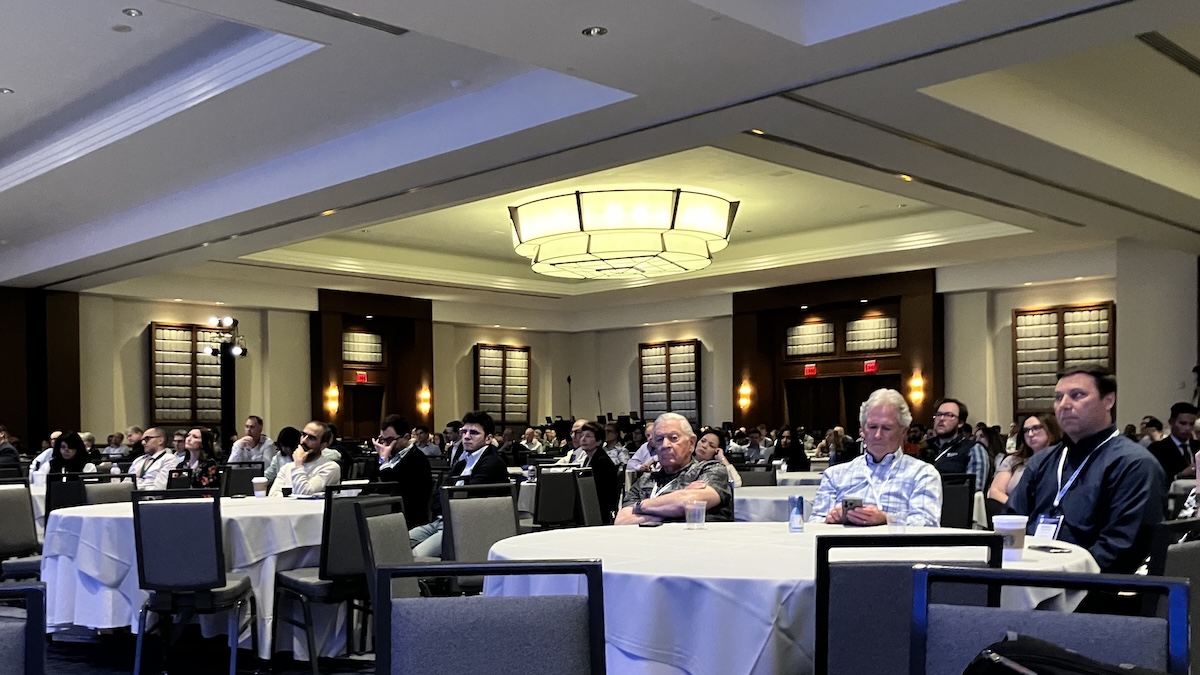
Attendees gather at Structures Congress 2025 in Phoenix, kicking off a day of connection and collaboration.
CFS Gains Ground with Future-Ready Builder
With interest in CFS growing — particularly due to its safety, efficiency and environmental advantages — the momentum from this year’s Structures Congress signals a positive trajectory. Allen noted that SFIA’s mission is to ensure that steel framing continues to gain traction as a go-to solution for forward-thinking builders.
Next year’s Structures Congress will be held in Boston, Massachusetts, with a joint mega-conference of all ASCE institutes scheduled for 2027. The continued presence of cold-formed steel topics on the national stage reflects the material’s increasing relevance—and the importance of collaboration between researchers, engineers and the building industry. For more information about upcoming events, visit asce.org.
Additional Resources
- SFIA’s Don Allen Discusses the Future of Cold-Formed Steel Framing Standards Development
- With ANSI Accreditation, SFIA Begins Process of Managing CFS Framing Standards
- SFIA Launches a Repository for Its Publications: A Hub for Steel Framing Technical Resources