
Featured image: Smoke pours from the 10-story CFS10 during its first live-fire test (July 17, 2025) — a controlled burn to assess post-earthquake structural integrity and fire resilience. (All photos: Don Allen)
After withstanding 18 earthquake simulations on UC San Diego’s outdoor shake table, the 10-story CFS10 building — the tallest cold-formed steel (CFS) framed structure ever placed on an earthquake simulator — advanced to its next trial: controlled, post-earthquake fire testing designed to study compartment fire behavior and recovery for mid-rise CFS construction.
“I was surprised and pleased at how well the gypsum board and resilient channel ceiling held up through the simulated earthquakes,” said Don Allen, SFIA’s executive director. “The resilient channel support did its job of isolating the gypsum from the steel framing, so the shock and movement of the joists are only partially transmitted into the gypsum ceiling diaphragm.”
This photo story documents the July 17, 2025, milestone burn: Fire Test #1. Allen was on site for the first test and captured the images shown here. Fire Test #2 took place on July 29, 2025.
Follow the sequence of images — from pre-ignition setup and monitoring to the post-burn walk-through — showing how the beyond-code, 10-story CFS structure, previously proven under seismic loading, performed under live fire conditions. For background on the seismic phase and why this project matters for future cold-formed steel (CFS) height limits and resilience, see our earlier coverage of CFS10.
UC San Diego CFS10 Fire Testing
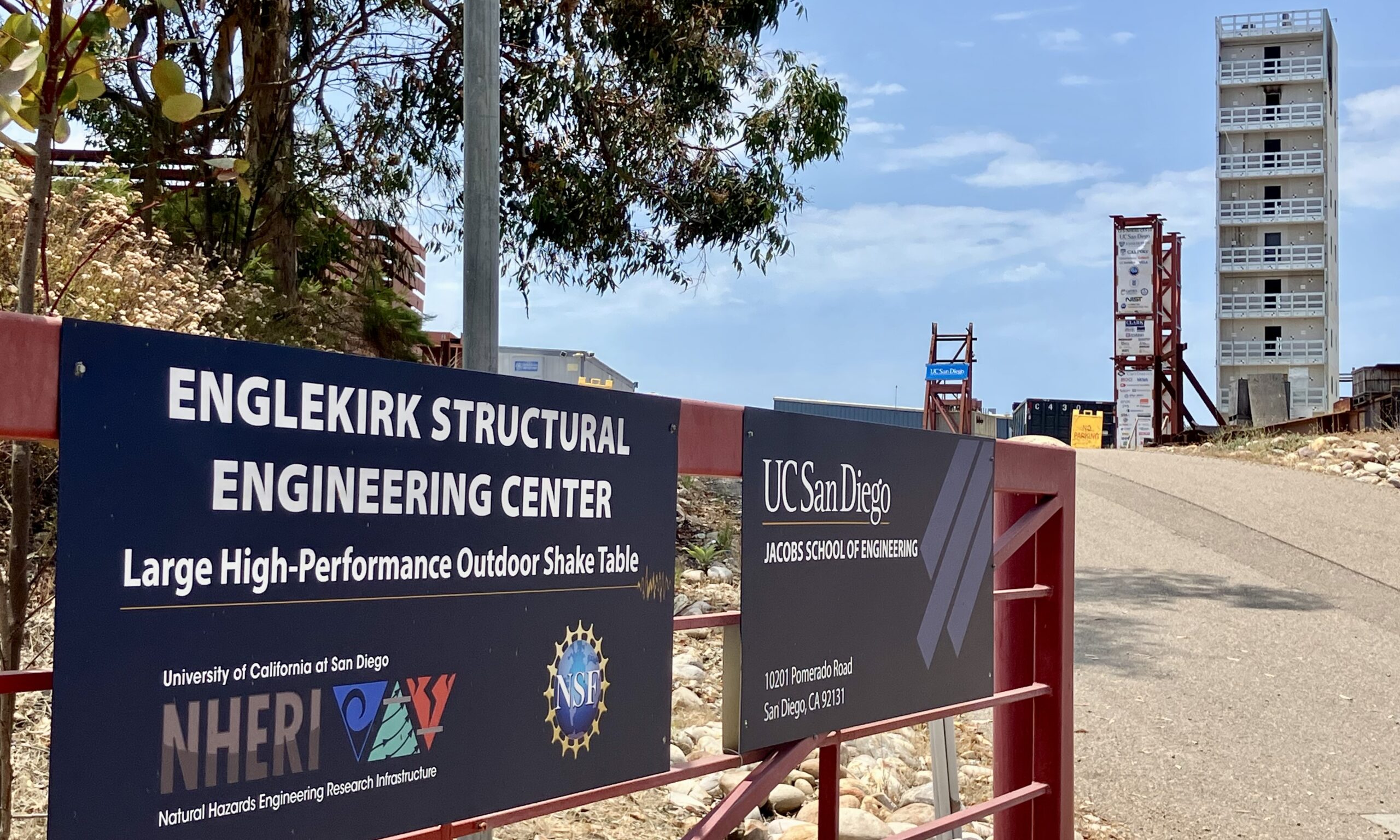
Entry gate signage at the NHERI CFS10 site, with the 10-story test building visible beyond — marking the UC San Diego venue for the project’s seismic and live-fire phase tests.
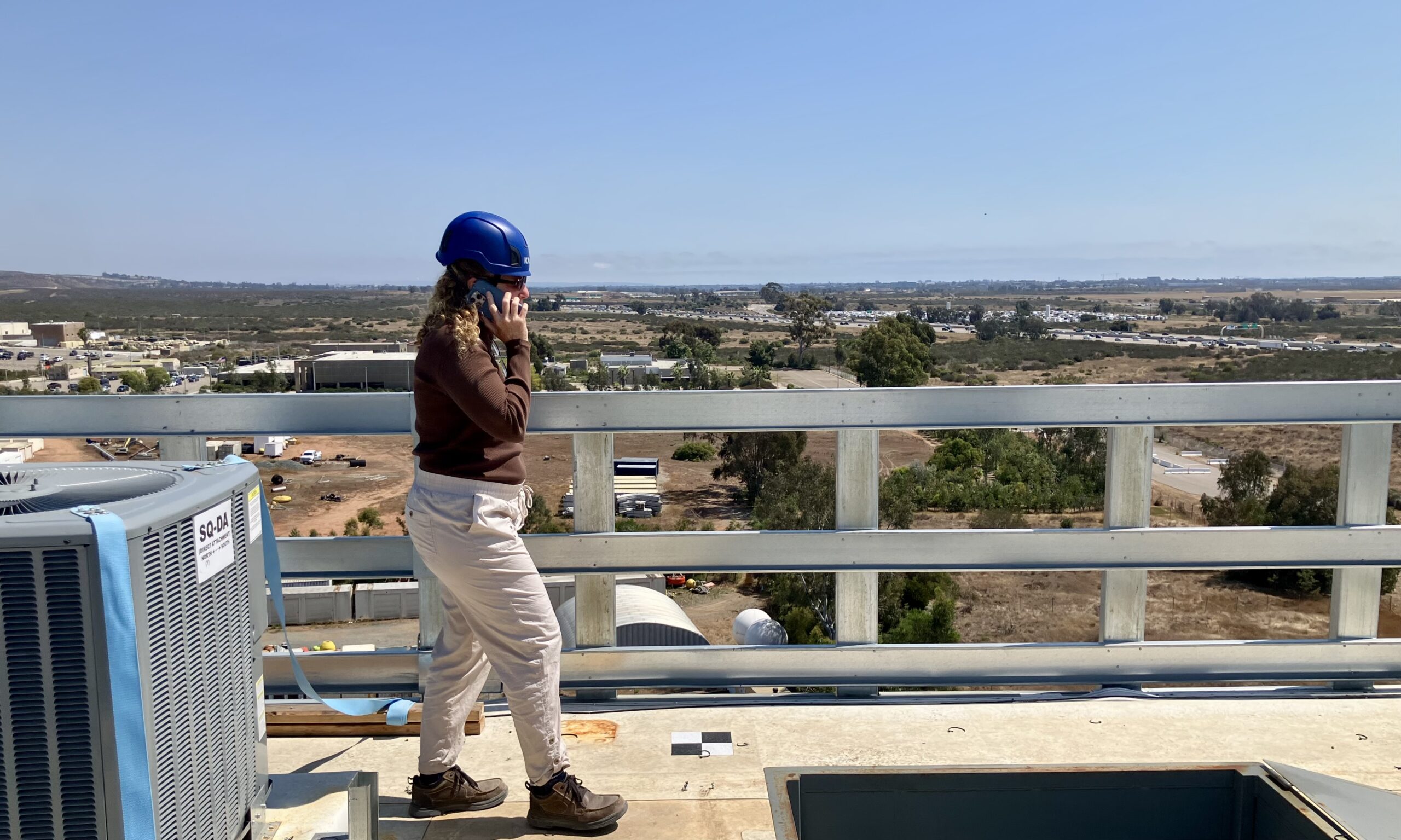
Project lead Dr. Tara Hutchinson (UC San Diego) walks the roof before ignition, phoning in last-minute instrumentation and safety checks ahead of the July 17, 2025, controlled burn.
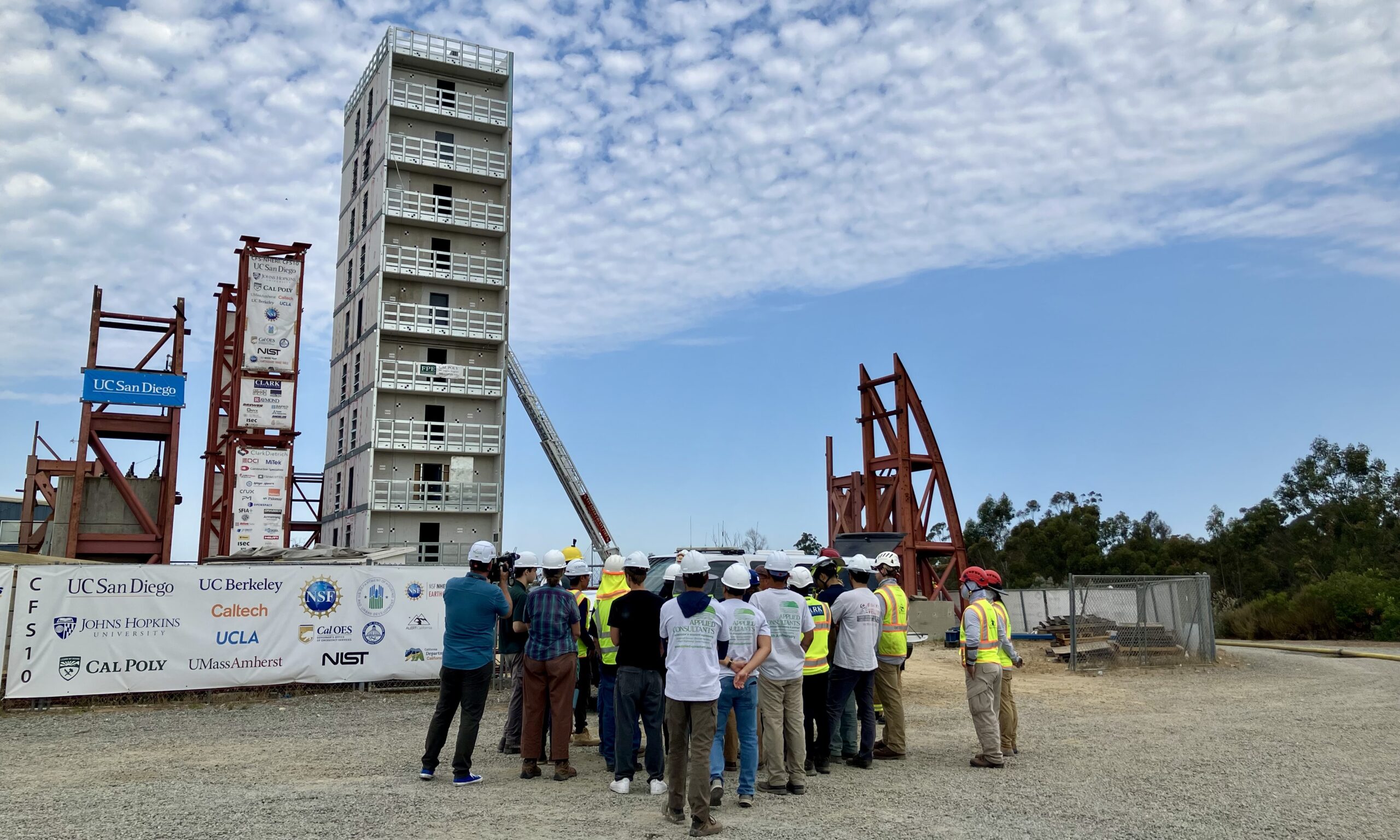
Researchers, students and industry professionals assemble for a pre-burn briefing with the fire department before the controlled burn on July 17, 2025.
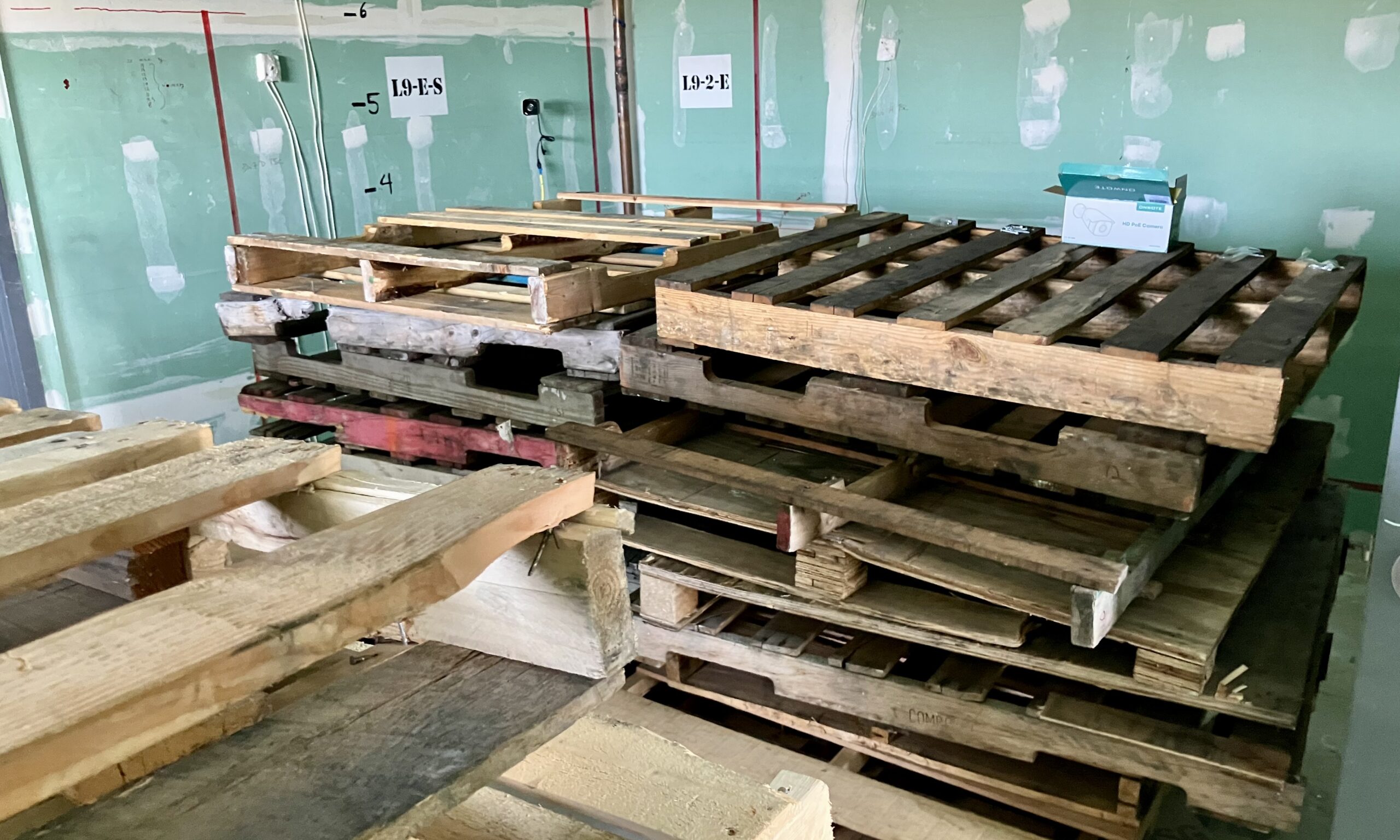
Wood pallets staged as the fuel package for CFS10’s live-fire test provided a controlled heat release to evaluate compartment temperatures, smoke movement and structural response in real time. Thermocouples and height markings can be seen on the walls.

With the CFS10 controlled burn in progress, a San Diego firefighting crew drill on-site, while researchers monitor heat, smoke and response coordination. Monitoring included heat and motion sensors, cameras and multiple drones.
CFS10 Post-Burn Assessment
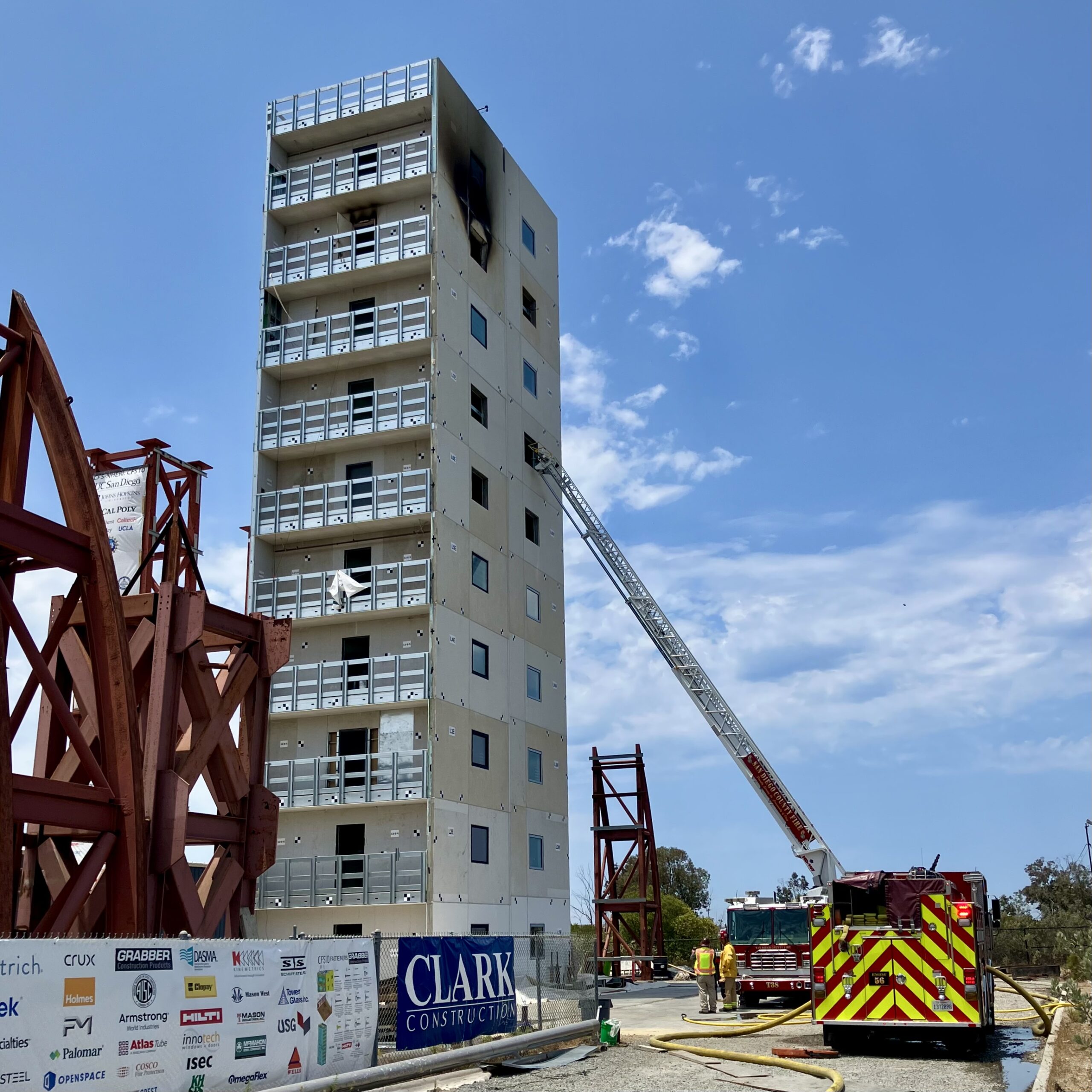
With the burn under control, a San Diego fire rescue engine stands beside the 10-story CFS10 as crews monitor the cool-down phase, secure the scene and transition to post-burn assessment.
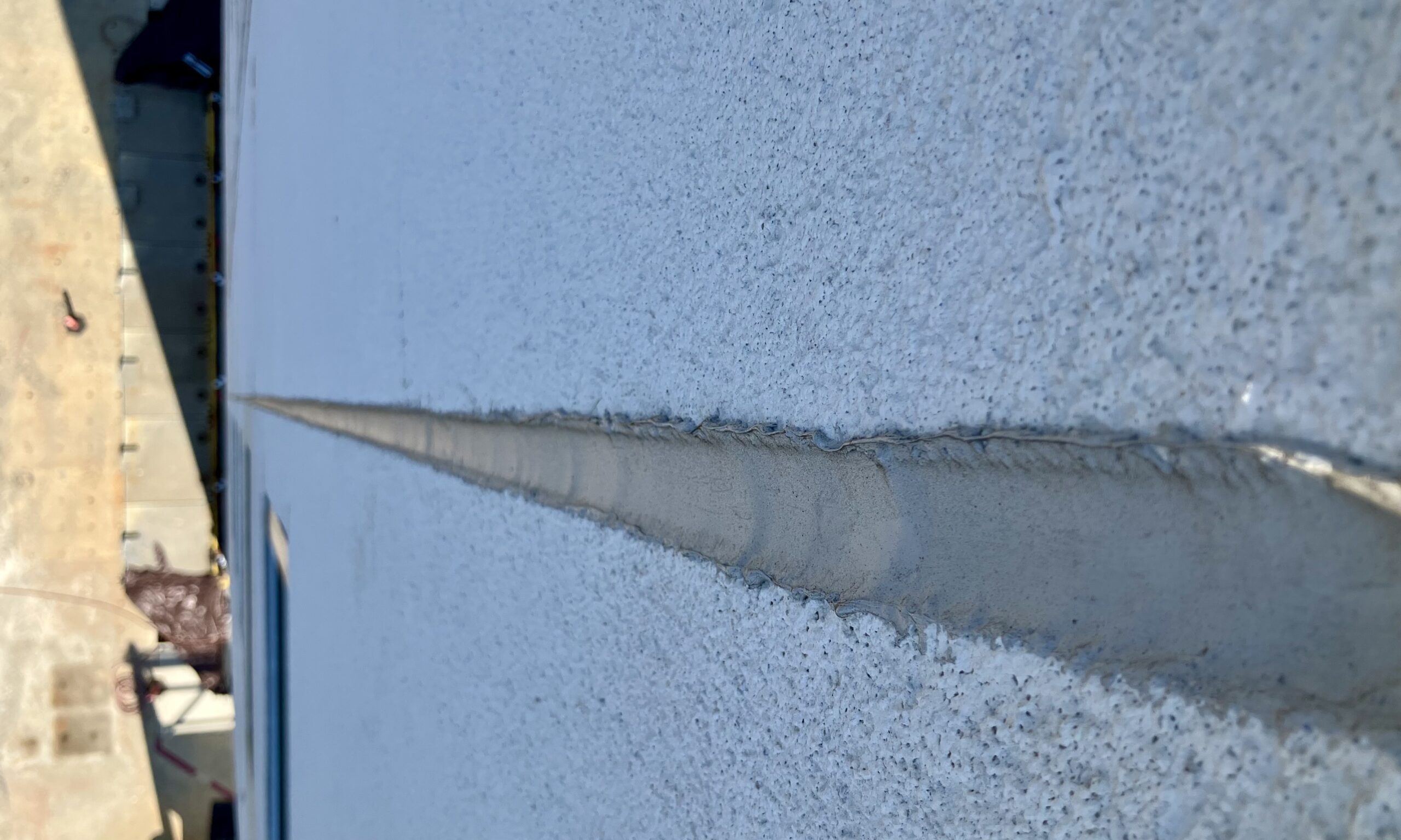
Looking down from the roof before the burn, the joint between EIFS-clad exterior wall panels on CFS10 is intact and uncracked after the seismic tests and before the burn tests.
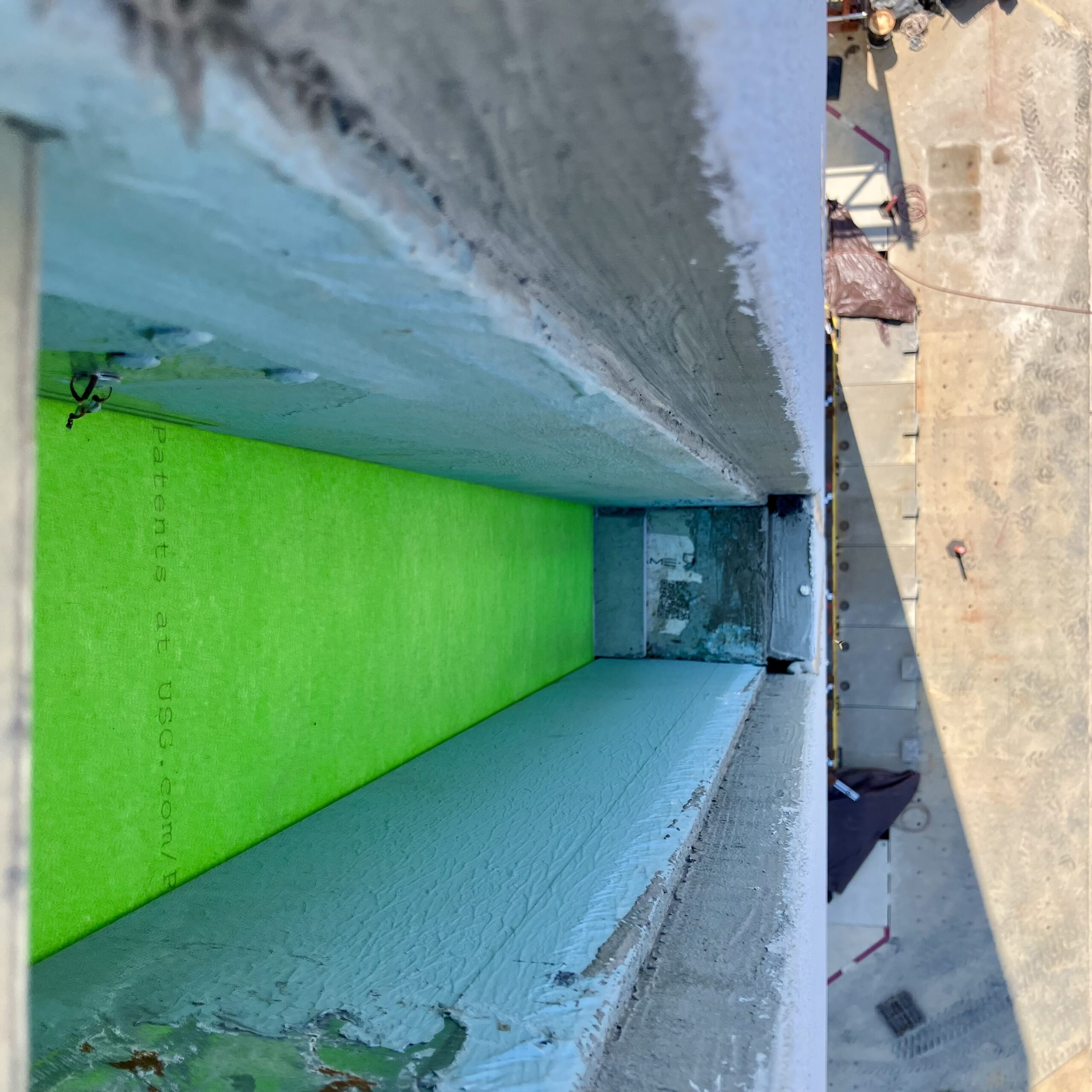
Post-burn roof view: looking down the façade, a small gap in the exterior insulation and finish system (EIFS) is visible — a useful data point for the team’s exterior detailing and continuity review.
Cold-Formed Steel (CFS) Withstood the Heat
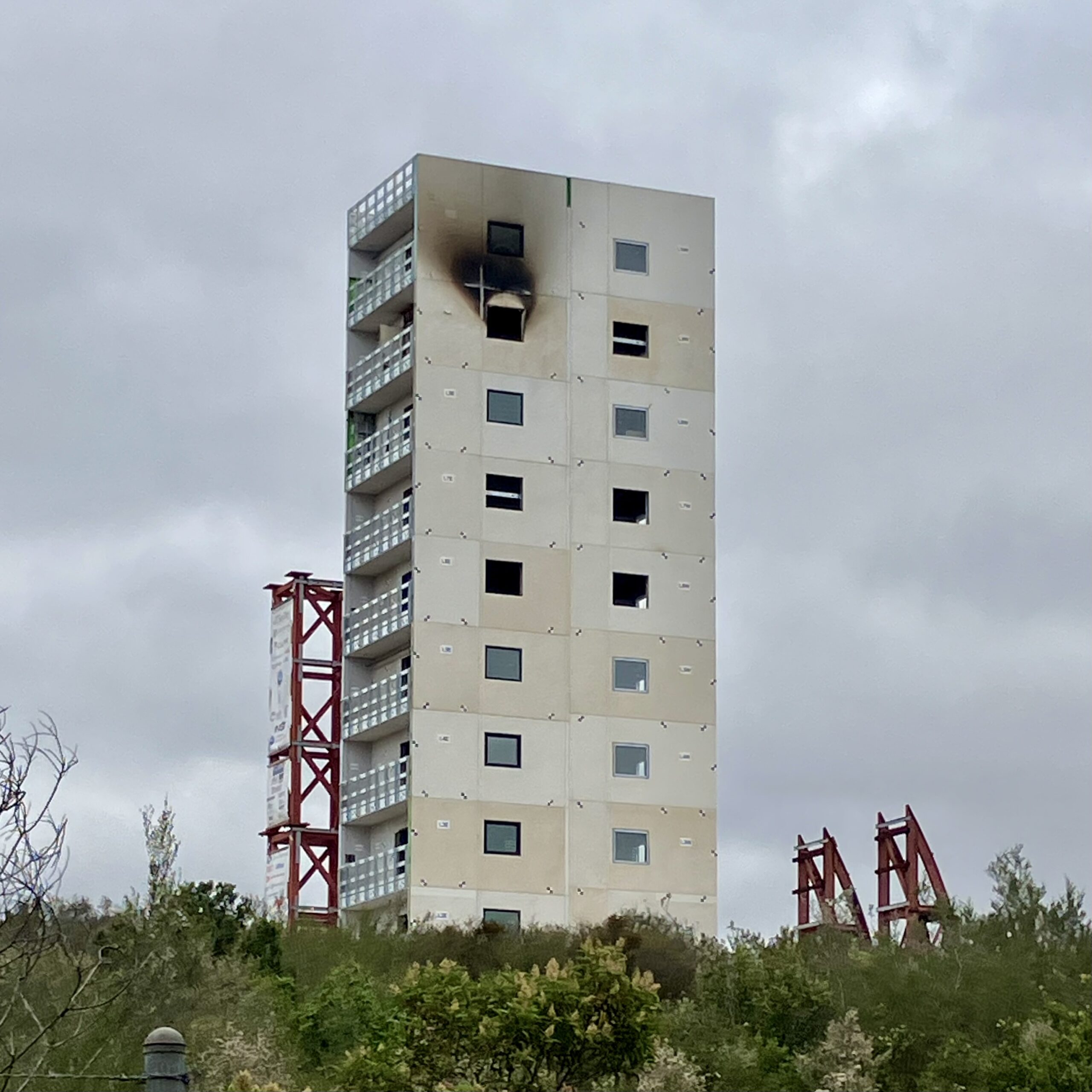
From a distance, the 10-story CFS10 shows a soot-darkened opening, evidence of smoke venting and heat from the controlled fire test. The opening’s steel framing was exposed to the flames, while the burn chamber’s hallway door and balcony remained closed.
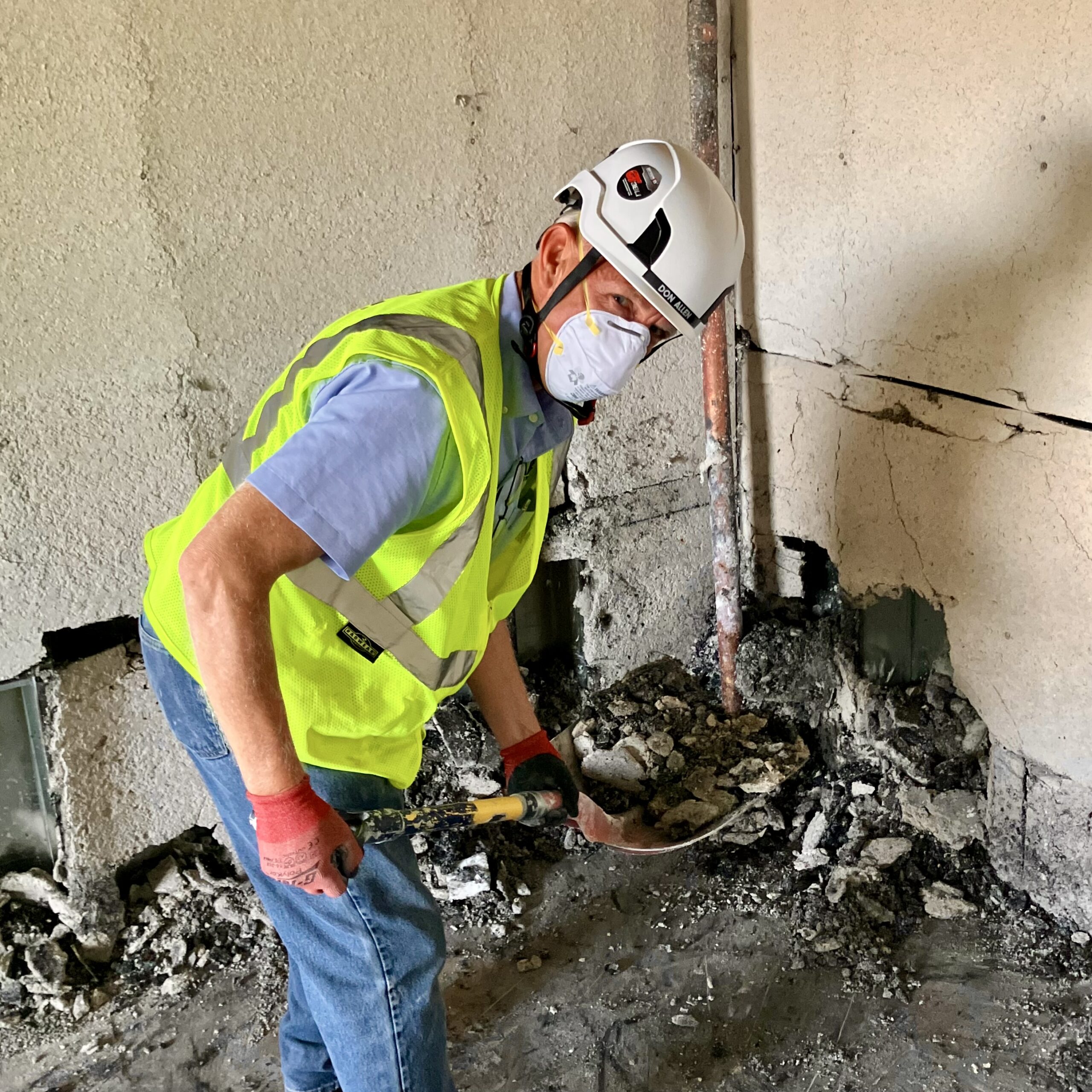
Post-burn cleanup: SFIA Executive Director Don Allen helps shovel ash and soot inside CFS10, clearing the burn room so researchers can document damage and retrieve sensors for analysis.

Inside the burn room, the cold-formed steel (CFS) stud framing and outer gypsum board wall remain intact — key evidence the wall assembly withstood heat during the burn. Wires and melted adhesive show sensor locations within the wall.
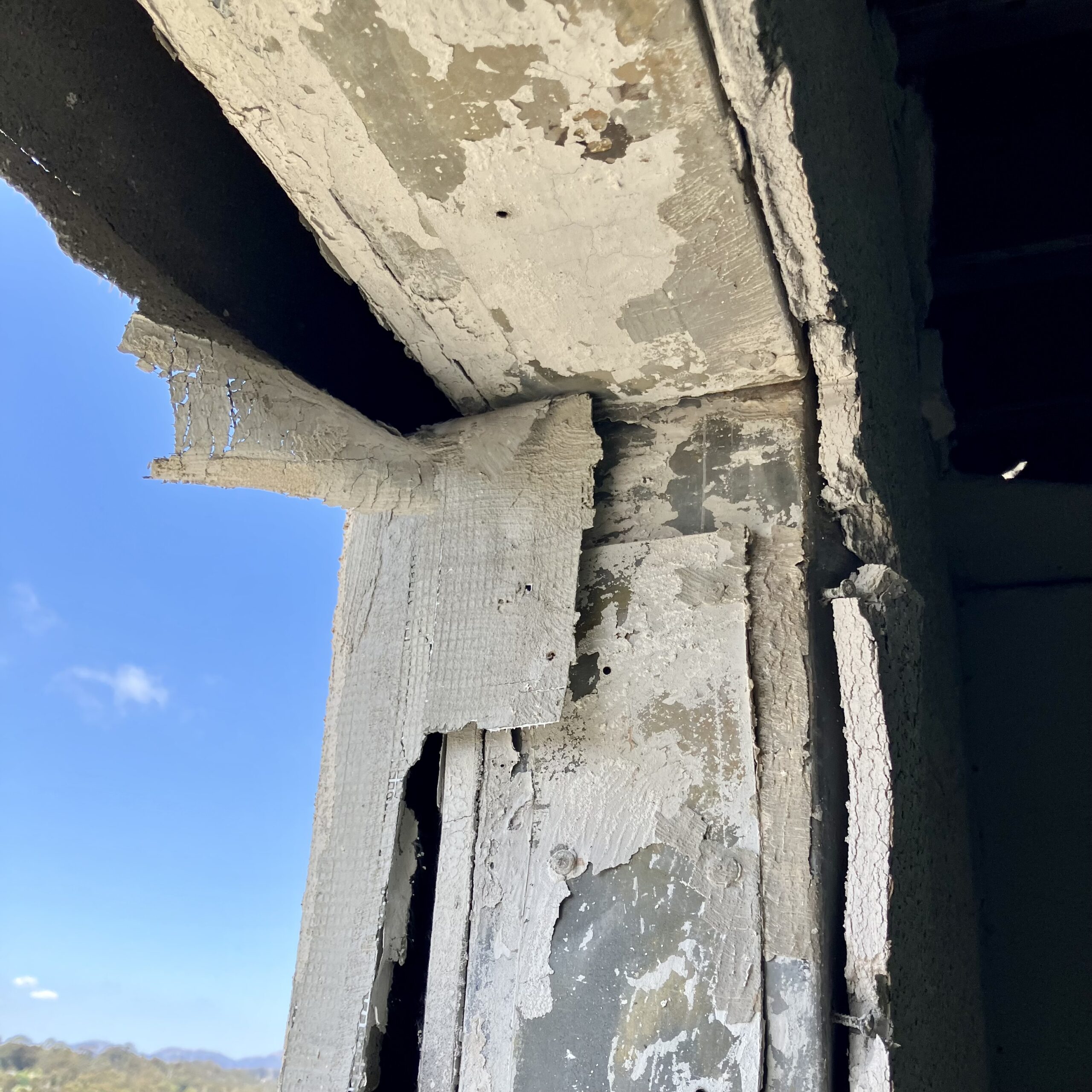
The northeast corner opening after the July 17, 2025, burn: the EIFS fiberglass mesh and lamina are still mostly intact, while the foam core has melted away. The underlying cold-formed steel (CFS) framing remains intact.
Watch an Earlier CFS10 Shake Test
Additional Resources
- Cold-Formed Steel Framing Passes 10-Story Earthquake Challenge in Landmark Tests
- SFIA’s Don Allen Discusses 10-Story Steel Framing Seismic Test with KPBS Public Media
- Johns Hopkins’ Ben Schafer Discusses Seismic Innovation in Cold-Formed Steel on DesignSafe Radio
- CFS10 Testing Underway: UC San Diego Is Shaking Up Seismic Standards with 10-Story Cold-Formed Steel Test