
Staying ahead of the curve is imperative for success in construction. With advancements in technology, increasing complexity in building projects and a growing emphasis on sustainability and safety, industry professionals must continuously adapt and innovate. The 2024 Cold-Formed Steel Engineers Institute (CFSEI) Expo in Tucson, Arizona, May 20-22, 2024, promises to be a pivotal event, offering insights, solutions and networking opportunities that will shape the future of cold-formed steel (CFS) framing.
At the forefront of CFSEI Expo are its technical sessions, each offering a deep dive into specific aspects of CFS engineering and construction. From specialty engineering to seismic design, from diaphragm design to ethical considerations, these sessions cover a wide range of topics crucial for architects, contractors, engineers and newcomers to CFS framing alike. Here’s the lineup.
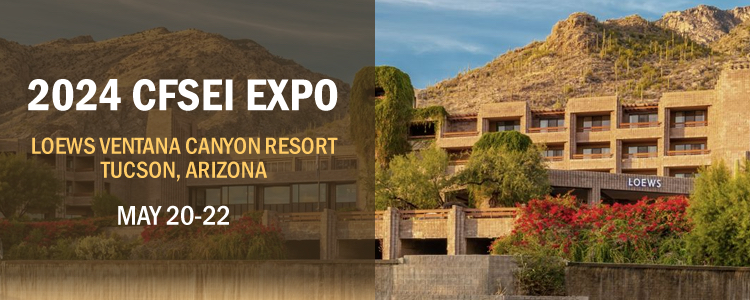
The 2024 CFSEI Expo in Tucson, Arizona (May 20-22, 2024) will offer over 10 continuing education credits.
CFSEI Expo: Tuesday, May 21, 2024
Specialty Engineering from the Contractor’s Perspective
Contractors are facing increasingly complex challenges in today’s construction landscape. From advanced technology to labor shortages, navigating these obstacles requires strategic partnerships and innovative solutions. AWCI’s Don Allen, P.E., S.E., LEED AP, with his extensive experience in CFS specialty engineering, will shed light on the interactions between contractors and engineers, offering insights into successful project execution and the importance of collaboration in overcoming challenges.
Fasteners / Anchors in Seismic Design
Connection design is a critical aspect of every CFS framing project, especially in seismic-prone regions. Rob Madsen, P.E., Devco Engineering, Inc., will delve into the nuances of seismic design, providing valuable guidance on designing connections that can withstand the forces of earthquakes. His expertise will empower engineers to tackle seismic challenges effectively, ensuring structural resilience and safety.
Expectations from Prefab CFS Manufacturer/Installer on Structural Drawings
Prefab CFS components play a significant role in modern construction, offering efficiency and precision. Venkata Charan,Venkata Charan, P.E., Digital Building Components, LLC, will discuss the expectations of manufacturers and installers regarding structural drawings, emphasizing the importance of clear communication and innovative solutions. His insights will help streamline the collaboration between engineers and manufacturers, leading to smoother project execution.
Cold-Formed Steel Classroom: Intro to AISI S100
Understanding the principles of CFS design is essential for engineers, yet it’s often self-taught due to the lack of formal education on the topic. Reinhold Schuster, Ph.D., P. Eng., Distinguished Professor Emeritus of Civil Engineering, University of Waterloo, will introduce an educational program focused on AISI S100, providing engineers with fundamental knowledge and practical examples. This session aims to bridge the gap in CFS education, empowering engineers to design with confidence and accuracy.
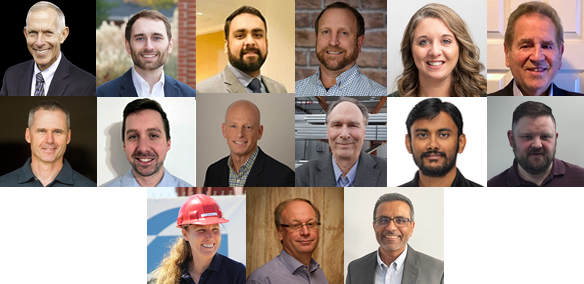
2024 Cold Formed Steel Engineers Institute (CFSEI) Expo speakers
How Curtain Wall & Storefront Design Interfaces with Cold-formed Steel
The integration of curtain wall and storefront systems with CFS framing presents unique challenges and opportunities. Jamie John, P.E., Excel Engineering, Inc., will explore the interface between these systems, offering insights into design considerations and coordination efforts. Her expertise will facilitate seamless collaboration between CFS engineers and glazing specialists, ensuring structural integrity and aesthetic excellence.
Engineering Progressive Collapse in Cold-Formed Steel Buildings
Mitigating the risk of progressive collapse is crucial for the safety and resilience of CFS buildings. Nabil Rahman, Ph.D.,P.E., FDR Engineers, PLLC, will provide a comprehensive overview of progressive collapse design principles, focusing on practical methods for analyzing and designing CFS framing. His session will equip engineers with the tools and knowledge needed to enhance structural robustness and protect against unforeseen events.
ASCE 7-22 And The Effect On Cold-Formed Steel Trusses
Changes in building codes and standards can significantly impact CFS design practices. Jacob Thompson, P.E., S.E., TrusSteel, will discuss the latest updates to ASCE 7-22 and their implications for CFS truss design. By staying informed about regulatory changes, engineers can adapt their designs effectively, ensuring compliance and structural integrity.
Keynote: Tuesday, May 21, 2024, 3:30 p.m.
Development of Standards for Australian Steel Framed Houses Subject to Wildfire Attack
In the face of increasing wildfire risks, the development of robust standards for CFS construction is paramount. Ken Watson of the National Association of Steel-Framed Housing Inc., will share insights from Australia’s experience in mitigating wildfire risks through non-combustible construction. His session will offer valuable lessons for engineers worldwide, emphasizing the importance of resilient design in hazard-prone areas. The NASH Standard provides solutions for non-combustible construction of:
- Roof systems with non-combustible cladding
- Wall systems including windows and doors
- Floor systems
- Carports, pergolas, verandahs and decks
- Detached garages and sheds.

2024 CFSEI Expo keynote speaker: Ken Watson, National Association of Steel-Framed Housing Inc.
CFSEI Expo: Wednesday, May 22, 2024
Ethics
Maintaining ethical standards is essential for all professionals in the construction industry. Brett Stewart of AXA XL will explore common ethical dilemmas faced by engineers, offering guidance on navigating complex situations with integrity and professionalism. By upholding ethical principles, engineers can uphold public trust and ensure the safety and welfare of society.
CFS-NHERI Project Update
The CFS-NHERI project represents a groundbreaking effort to advance the understanding of CFS building performance. Tara C. Hutchinson, P.E., Ph.D., University of California, San Diego, will provide an update on the project’s latest developments, highlighting its potential to inform design standards and construction practices. Her session will inspire engineers to engage in collaborative research efforts, driving innovation and resilience in CFS construction.
Deep Learning-Based Damage Detection in Concealed Cold-Formed Steel Structures Using Ground Penetrating Radar
The adoption of innovative technologies offers new opportunities for structural assessment and maintenance. Muhammad Taseer Ali of the University of Houston will present a novel framework for detecting damage in concealed CFS structures using ground-penetrating radar and deep learning algorithms. His session will showcase the potential of AI-driven solutions in enhancing structural safety and longevity.
Cold-Formed Steel Diaphragm Design
Effective diaphragm design is critical for ensuring structural stability and performance in CFS buildings. Zane Clark, P.E., S.E., McClure, and Ian Micklethwaite, P.E., ASC Profiles, will provide a comprehensive overview of diaphragm analysis and design principles, offering practical guidance for engineers. Their session will empower engineers to tackle complex diaphragm design challenges with confidence and precision.
Residential Design Beyond AISI S230
High-end custom residential projects often demand engineering expertise beyond standard prescriptive methods. Don Wheeler of Wheeler Steel Framing Supply will share insights from his extensive experience in CFS residential framing, offering practical solutions for engineers and on-site framers. His session will highlight the importance of tailored engineering solutions in achieving success in residential construction.
CFS — Ask An Expert
In an interactive Q&A session, AWCI’s Don Allen, P.E., S.E., LEED AP, and Patrick M. Hainault, P.E., R.A. Smith, Inc., will address common questions and concerns related to CFS design and construction. Attendees will have the opportunity to engage with industry experts, gaining valuable insights and guidance on specific project challenges. This session promises to be a valuable resource for engineers seeking practical advice and solutions.
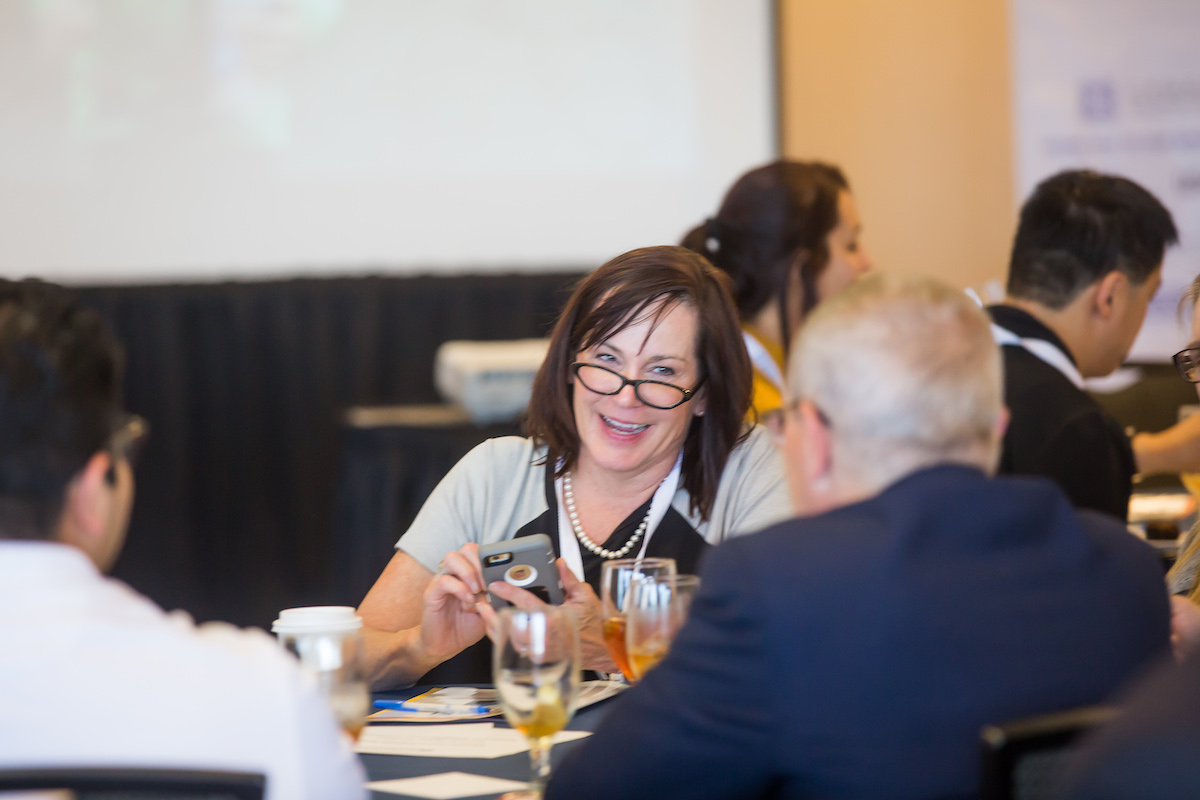
Cold Formed Steel Engineers Instistute 2018
Embrace the Future of CFS Framing
The 2024 CFSEI Expo offers a unique opportunity for architects, contractors, engineers and newcomers to CFS framing to stay at the forefront of industry trends, advancements, and best practices. By attending the expo and participating in the technical sessions, professionals can expand their knowledge, enhance their skills and forge valuable connections within the industry. Attend the event to unlock the full potential of CFS framing. Learn how you can shape the future of construction and be part of the transformational journey towards more resilient built environment.
CFSEIThe Cold-Formed Steel Engineers Institute comprises hundreds of structural engineers and other design professionals who are finding a better way to produce safe and efficient designs for commercial and residential structures with cold-formed steel.
CFSEI members work together to develop and evolve industry standards and design methods, produce and issue technical bulletins, and provide seminars and online training to improve the knowledge and skills base of engineers and design professionals. For more information, visit www.cfsei.org.

Additional Resources
- Attend 2024 CFSEI Expo, presented by the Cold-Formed Steel Engineers Institute, in Tucson (May 20-22)
- CFSEI Publishes Tech Note on the Design of Cold-Formed Steel Bearing Stiffeners
- CFSEI Publishes Technical Note on Strap Braced Wall Design, Loose Strap Considerations