
Book Your Trip to Long Beach
In 2026, the Cold-Formed Steel Engineers Institute (CFSEI) Expo comes to Long Beach, California. The conference will be held on May 18-20, 2026, Westin Long Beach Hotel. Recently, CFSEI announced the full program.
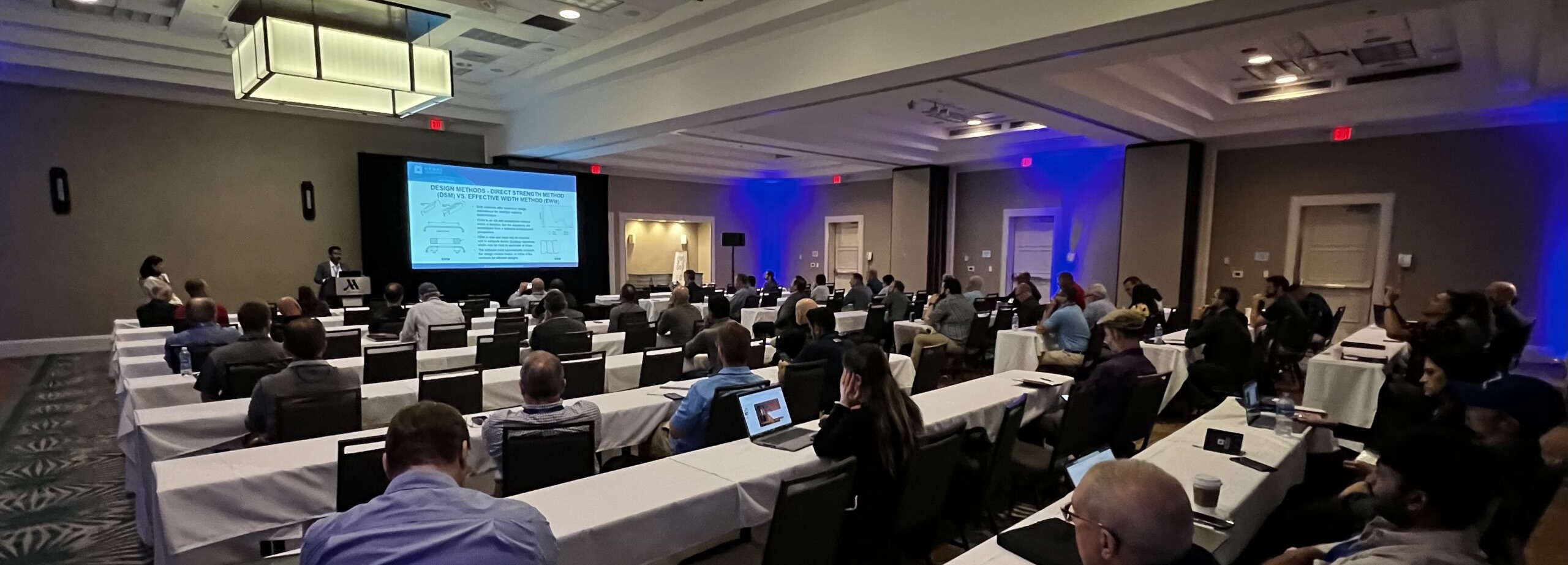
Attendees packed last year’s CFSEI Expo in Raleigh, North Carolina. More are expected this year.
CFSEI Expo is where steel framing engineers do business — forging connections, spotlighting award-winning innovations and shaping the institute’s priorities for the year ahead.
2026 CFSEI Expo
May 18-20, 2026
Westin Long Beach Hotel
333 East Ocean Boulevard
Long Beach, CA 90802
Monday, May 18, 2026
Registration
1:00 – 2:00 pm
CFS – Tool Time Hands-On
2:00 – 4:00 pm
Welcome Reception
5:00 – 6:00 pm
Young Member Group Mixer
6:00 – 7:00 pm
Tuesday, May 19, 2026
Breakfast
7:00 – 8:00 am
Hindsight on Training Gaps and Improvements
Tuesday, May 19
8:00 – 9:00 am | Earn 1 PDH
The Younger Member Group will deliver a presentation identifying gaps in early-career job training within the cold-formed steel (CFS) profession. The session will highlight common challenges faced by emerging engineers and how those challenges are overcome with varying perspectives. Click for details
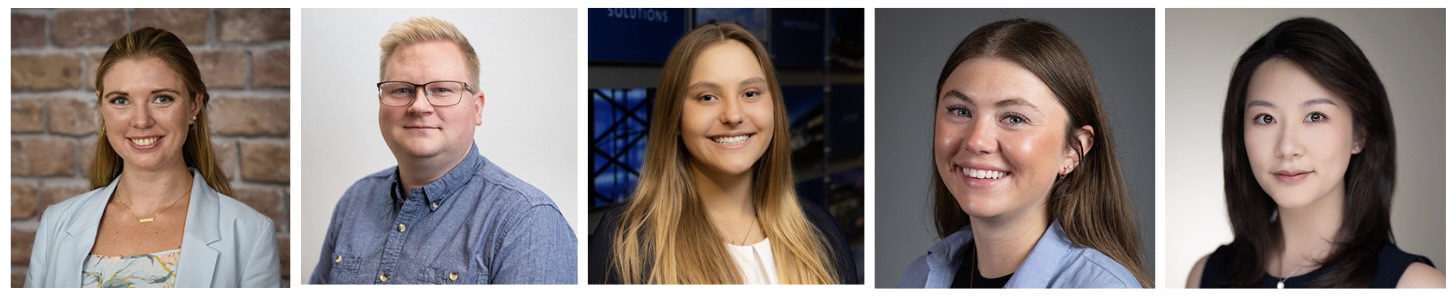
Panel speakers: (l to r) Alyssa Pease, P.E., raSmith; Daniel Church, Excel Engineering; Elizabeth Viox, McClure; Kamryn Miller, P.E., Simpson Strong-Tie; Lia Zhu, MTE Consultants
Break with Sponsors
9:00 – 10:00 am
A Sticky Subject: Adhesives for Steel-to-Steel Connection
Kara D. Peterman, Ph.D., University of Massachusetts-Amherst
Tuesday, May 19, 10:00 – 11:00 am
Earn 1 PDH
In 2026, structural adhesives are pervasive in facades, structural components, and even aircraft. But steel design specifications are silent on how to design an adhesive for steel connections. This talk shares research results from a 4-year experimental effort to determine the design space for adhered steel connections. Click for details

Kara D. Peterman
Gable End Framing
Jacob Thompson, P.E., S.E., TrusSteel
Tuesday, May 19, 10:00 – 11:00 am
Earn 1 PDH / 1 LU|HSW
 Gable end framing at the ends of buildings requires special attention. The loads that need to be resisted come from many directions and proper detailing is vital to transfer these loads to the building foundation. This presentation will review the diverse ways to achieve gable end framing and more. Click for details
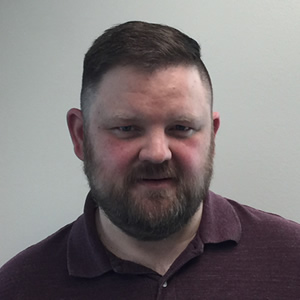
Jacob Thompson
Lunch: Annual Meeting & Awards
11:00 am – 1:00 pm
Design Firm Risk Management Landscape
Robert Graham, Shipley & Associates Inc.
Tuesday, May 19, 1:00 – 2:00 pm
Earn 1 PDH / 1 LU
Design firms operate in an increasingly complex risk environment where contractual obligations, project dynamics and client expectations can significantly impact exposure to liability. This session will examine practical strategies for identifying, assessing and controlling risk. Click for details

Robert Graham
Design Loads on Cold-Formed Steel Structures During Construction
Jesse Barnes, P.E., S.E., McClure
Tuesday, May 19, 1:00 – 2:00 pm
Earn 1 PDH / 1 LU|HSW
Cold-formed steel (CFS) structures are subject to a range of temporary loading conditions during construction that are often excluded from design scopes. This presentation examines the application of ASCE 37-14, Design Loads on Structures During Construction, and its relevance to CFS framing systems. Click for details
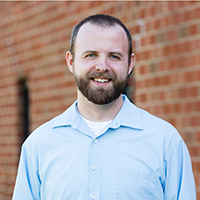
Jesse Barnes
Improving Thermal Transmittance Estimation Accuracy in CFS Residential Envelopes using Response Surface Methodology: A Numerical-Based Approach
Nader Elhajj, P.E., FRAMECAD America
Tuesday, May 19, 2:15 – 3:15 pm
Earn 1 PDH / 1 LU|HSW
The global shift toward sustainable, energy-efficient construction has resulted in increasingly stringent insulation requirements in building codes. These changes present challenges for cold-formed steel (CFS) construction. While CFS offers many advantages, it is susceptible to thermal bridging due to steel’s high conductivity. Accurately evaluating thermal transmittance in CFS walls is therefore critical. Click for details

Nader Elhajj
Playing Nice with CLT
Clifton Melcher, P.E., S.E., Simpson Strong-Tie Company, Inc.
Hien Nguyen, M.S., P.E., Simpson Strong-Tie Company, Inc.
Tuesday, May 19, 2:15 – 3:15 pm
Earn 1 PDH
This presentation explores the integration of cross-laminated timber (CLT) with cold-formed Steel (CFS) to create a high performing hybrid structural system. By combining the strengths of both materials, designers can achieve a solution that is cost effective, offers flexible design opportunities, provides fire performance, and supports sustainable construction goals. Click for details
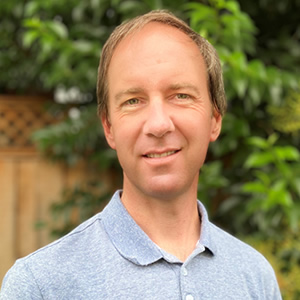
Clifton Melcher

Hien Nguyen
KEYNOTE
Advancing Cold-Formed Steel in Mid-Rise Building Systems in High Seismic Zones: Accomplishments of the CFS-NHERI and CFS10 Capstone Programs
Tara Hutchinson, Ph.D., University of California, San Diego
Benjamin Schafer, Ph.D., P.E., F. SEI, Johns Hopkins UniversityTuesday, May 19, 4:00 – 5:00 pm
Earn 1 PDH / 1 LU
While cold-formed steel (CFS) is commonly used in low-rise buildings, its application in mid-rise and taller structures in moderate-high seismic zones as the core load-bearing system remains limited due to a lack of full-scale validation under seismic loading, and specific height limits in U.S. building codes.
The CFS-NHERI program aimed to break this barrier through material-level testing, subsystem shake table tests and a full-scale shake table test of a 10-story CFS-framed building coined CFS10. The program sets a new benchmark for performance-based seismic design in CFS structures. Click for details
Tara Hutchinson
Benjamin Schafer
Dinner and Social Event
Tuesday, May 19, 7:00 – 10:00 pmAquarium of the Pacific
Click for details
Wednesday, May 20, 2026
Breakfast
7:00 – 8:00 am
Navigating Ethics, Liability, and Contracts in Cold-Formed Steel Delegated Design
Michael Castleman, McClure
Wednesday, May 20, 8:00 – 9:00 am
Earn 1 PDH / 1 LU
Ethical decision making is increasingly intertwined with legal responsibility and contractual obligations. This presentation explores the critical intersection of engineering ethics, liability, and contracts, offering insights tailored to professionals working with cold-formed steel and delegated design. Click for details

Michael Castleman
Break with Sponsors
9:00 – 10:00 am
A Step-by-Step Methodology for Designing Mid-Rise Cold-Formed Steel Structures in North America
Sarah Majlesi, Canadian Institute of Steel Construction
Wednesday, May 20, 10:00 – 11:00 am
Earn 1 PDH / 1 LU|HSW
Designing multi-level structures with cold-formed steel requires careful decision-making during the earliest stages of a project. This presentation demonstrates a structured and practical approach to selecting lateral load-resisting systems and gravity load-bearing framing during the conceptual phase to avoid rework during the later stages of the project. Together with Building code seismic and imposed load requirements, the designer will have a clear roadmap to enter the structural analysis stage. Click for details
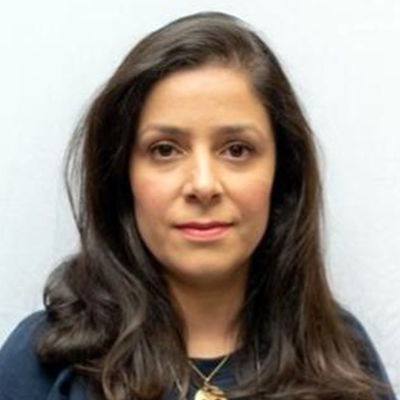
Sarah Majlesi
Building for the 21st century: Noncombustible Construction with Cold-Formed Steel
Carl Welty, The Banning Land Trust
W. Donald Wheeler, Wheeler Steel Framing Supply
Wednesday, May 20, 10:00 – 11:00 am
Earn 1 PDH / 1 LU|HSW
Cold-formed steel (CFS) construction offers a practical, affordable method for building noncombustible homes. Following each “urban wildfire,” studies emerge to understand the devastation, accompanied by extensive discussions about reducing fire risk. This presentation will demonstrate how CFS construction enables the building of noncombustible houses at costs comparable to conventional wood construction while simultaneously solving critical problems. Click for details

Carl Welty

Don Wheeler
Lunch: Award Winners Presentation
11:00 am – 1:00 pm
Designing for Cold-Formed Steel Manufacturing and Assembly
Grant Doherty, Martin/Martin Inc.
Wednesday, May 20, 1:00 – 2:00 pm
Earn 1 PDH / 1 LU|HSW
With the growing momentum behind pre-manufacturing, pre-fabrication, DfMA (Design for Manufacture and Assembly), industrialized construction, and off-site construction, we find ourselves at the crossroads of a true revolution in Architecture, Engineering, and Construction (AEC). This presentation will share lessons learned from being deeply immersed in the AEC industrial revolution. Click for details
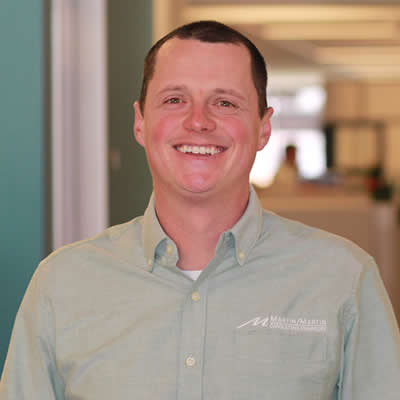
Grant Doherty
Cold-Formed Steel Framing and Building Seismic Drift – What Happens to Our Framing When Buildings Move?
Kirsten Zeydel, S.E., Nevell Group, Inc.
Wednesday, May 20, 1:00 – 2:00 pm
Earn 1 PDH
More about this session to come. Check back.
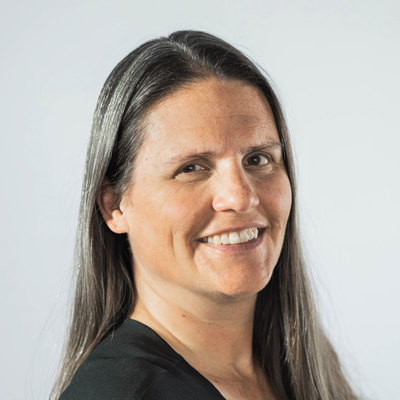
Kirsten Zeydel
What is Hot on the Hotline?
Patrick M. Hainault, P.E., R.A. Smith, Inc.
Andrew Newland, P.E., ADTEK Engineers, Inc.
Wednesday, May 20, 1:00 – 2:00 pm
Earn 1 PDH / 1 LU
Cold-formed steel (CFS) design typically is not a course topic offered at universities. Therefore, engineers are on their own to self-educate. How? Many engineers take advantage of the highly successful CFSEI “Ask an Expert” page on the CFSEI website or the CFSEI Hotline, 1-800-79STEEL. Inquiries cover the gamut of CFS applications, and we respond to them promptly. This interactive Q&A session will focus on FAQs and your cold-formed steel design questions. Click for details
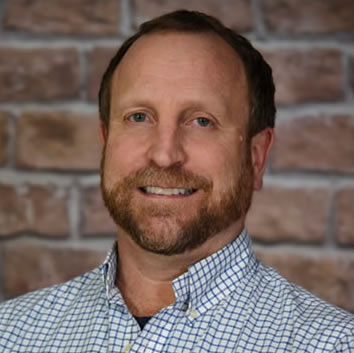
Patrick Hainault

Andrew Newland
Emerging Technologies Session
Earn 2 PDHs
Four Presentations
1. Enabling Seismic Performance-Based Design Pathways for Cold-Formed Steel Framed Buildings
Benjamin Schafer, Ph.D., P.E., F. SEI, Johns Hopkins University
Kevin Aswegan, P.E., S.E., Magnusson Klemencic Associates
Tara Hutchinson, PhD., P.E., University of California, San Diego
The objective of this talk is to initiate a broader technical discussion on the use of seismic performance-based design for cold-formed steel (CFS) framed buildings and to outline emerging pathways for its practical implementation.
Seismic performance-based design has fundamentally reshaped reinforced concrete structural practice in high seismic regions, particularly in California, enabling architectural and structural solutions outside of prescriptive code limits. In contrast, seismic design of CFS framing remains largely constrained by prescriptive provisions in ASCE 7, including limits on height, details and system applicability, despite growing experimental and analytical evidence of robust seismic performance. Click for details

Benjamin Schafer

Kevin Aswegan
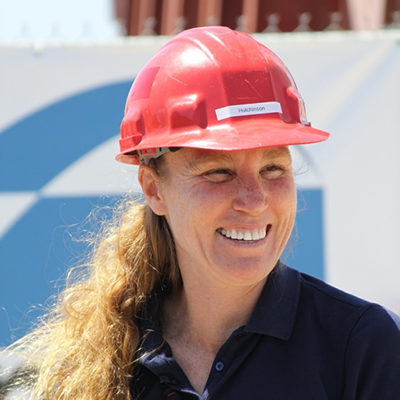
Tara Hutchinson
2. From Artificial Hearts to Steel Skeletons: Algorithmic Assurance in Cold-Formed Steel Housing
Rodger Ford, FrameUpNow
FrameUpNow’s innovation Algorithmic Automation System (FUN) — a deterministic, rule-driven design engine inspired directly by medical device rigor. Built on “350 pages of specifications and more than 6,000 lines of code,” FUN converts traditional wood-frame ADU plans into perfectly engineered cold-formed steel (CFS) skeletons. Unlike probabilistic AI, the FUN system does not guess; it executes pre-defined structural engineering rules, International Building Code and California Residential Code requirements and manufacturing constraints with mathematical certainty. Click for details
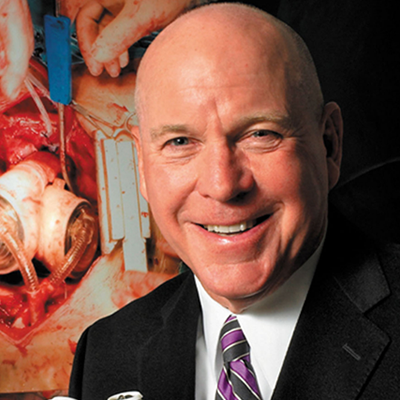
Rodger Ford
3. A Web-Based App for Cold-Formed Steel Member Structural Calculations Built with Open-Source Software
Cristopher Moen, RunToSolve LLC
Imagine your company has developed a new family of cold-formed steel (CFS) cross-sections. You are pretty sure they work better than the industry baseline. However, you don’t quite have the right workflow tool to calculate and tabulate section and buckling properties that confirm improved structural performance.
In this presentation, we will introduce a web-based app that can quickly generate these results for you, graphically and in tabular formats, for multiple cross-sections at once. We will introduce the app, show how anyone can access it and provide a demo for how it works. This web app is a prototype, a glimpse into the future, of what can be done by our industry to advance engineering workflows with freely available, open-source software. Click for details
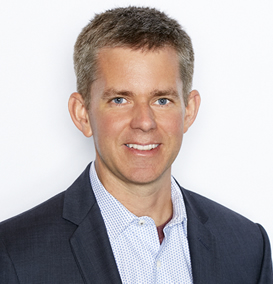
Cristopher Moen
4. SIN Floor: Advancing Cold-Formed Steel in Composite Floor Systems
Phil Reinders, Steelcon Inc.
Traditional composite floor systems often rely on heavy secondary framing and extensive shoring, adding both cost and complexity. SIN Floor introduces a new approach. This cold-formed steel (CFS) and concrete floor system combines two c-channels, a sinusoidally corrugated deck and a cast-in-place concrete topping to create a single, efficient structural panel. By embedding the steel sections within the slab and leveraging composite action, SIN Floor delivers long spans with reduced floor depth while eliminating the need for secondary framing or shoring. The result is lighter structures, faster construction, and improved sustainability. Click for details
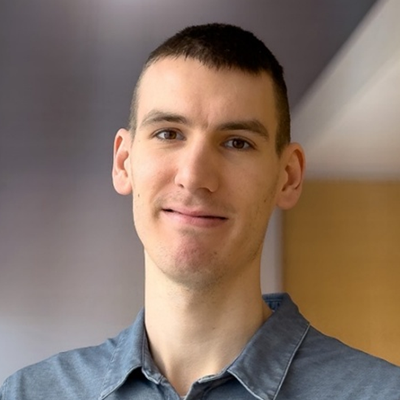
Phil Reinders

Cold-Formed Steel Engineers Institute
The Cold-Formed Steel Engineers Institute (CFSEI) comprises hundreds of structural engineers and other design professionals. Together, they are finding a better way to produce safe and efficient cold-formed steel (CFS) designs for commercial and residential structures. CFSEI members develop industry standards and design methods. CFSEI issues technical bulletins, organizes seminars and provides online training so that engineers and design professionals can improve their knowledge and skills. CFSEI is part of the Steel Framing Industry Association (SFIA) family. For more information, visit www.cfsei.org.
Additional Resources
- Register for the 2026 CFSEI Expo in Long Beach, California (May 18-20)
- Insights and Inspiration Take Center Stage at 2025 CFSEI Expo in Raleigh
- CFSEI Releases Updated Tech Note G500-25: Field Guide – Inspection Checklist for Structural CFS Framing